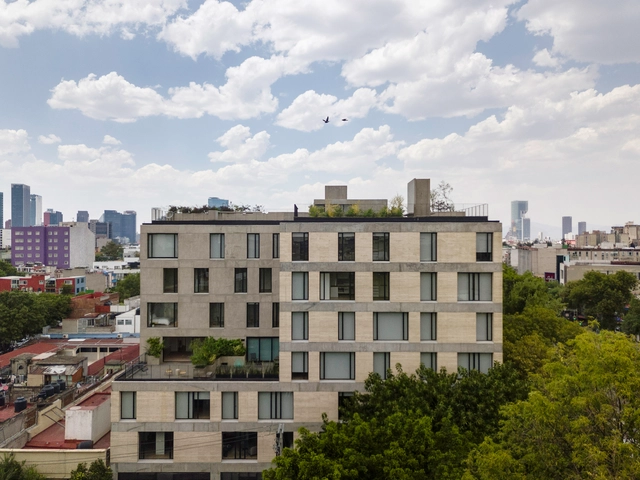
Morelos is a state nestled in the south-central region of Mexico, surrounded by the states of Puebla, Guerrero, Estado de México, and Mexico City. With just over 4,893 km² of territory, it's Mexico's second smallest state. It's capital and largest city is Cuernavaca.
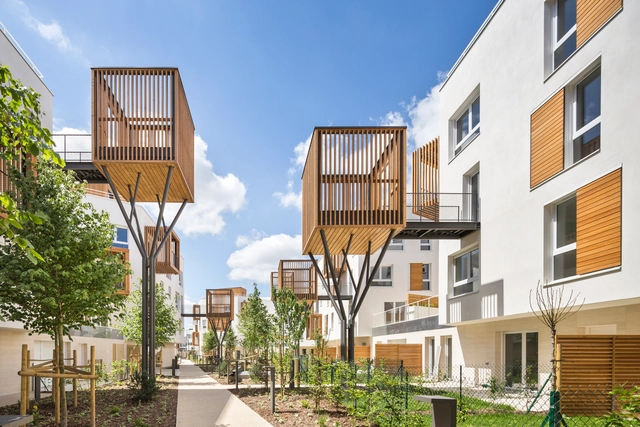
“We need a new spatial contract." This is the call of Hashim Sarkis, curator of the Venice Biennale 2021, as an invitation for architects to imagine new spaces in which we can live together. Between a move towards urban flight and global housing crises, the growth of more low-rise, dense developments may provide an answer in the countryside. Turning away from single family homes in rural areas and suburbs, modern housing projects are exploring new models of shared living in nature.
Choice of building materials and the inherent continuous reflection about the reach and capabilities of architecture are an interesting alternative way to approach this issue. The materials used in social housing should address local and economic possibilities and the real needs for access to housing in the contemporary context.
In this article, we analyze different projects published on our site to identify some of the predominant materials used in social housing, both for the formation of structures or enclosures. The intentions of this are two-fold: firstly, to create a worldwide panorama of different case studies with different construction styles from a range of geographical locations, and secondly, to provide inspiration and tools to architects to make better social housing.
Below we present 15 social housing projects and their diverse materials and construction styles.
Aguascalientes is a small state in the heart of Mexico, located 480 km northeast of Mexico City and nestled between the states of Zacatecas and Jalisco. With just 5618 km² of territory, it is Mexico's third smallest state. It's capital and most populated city is Aguascalientes, or "hot waters" in English, is named for the numerous hot springs found throughout the area.
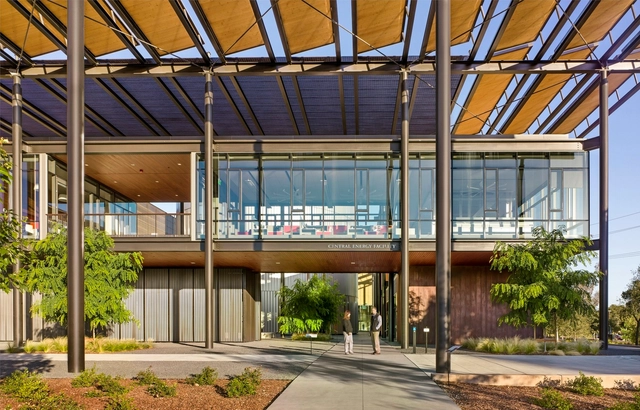
Solar design in contemporary architecture is rooted in the profession's sustainable turn. The relationship between architecture and energy is tied to both passive strategies and performance via more recent innovations in technology. As one way to begin addressing the global climate crisis and greenhouse gas emissions, solar design is reshaping cities and architecture around the world.
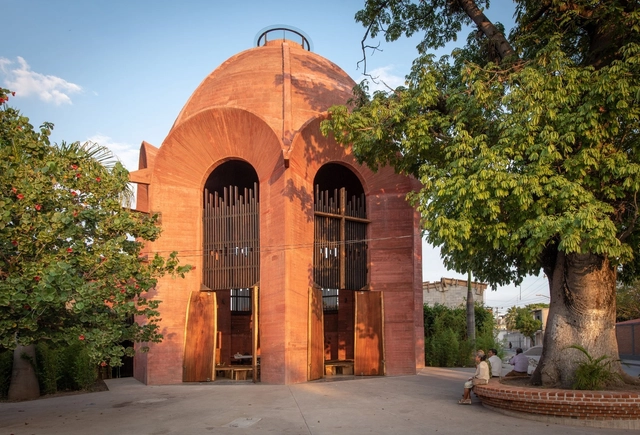
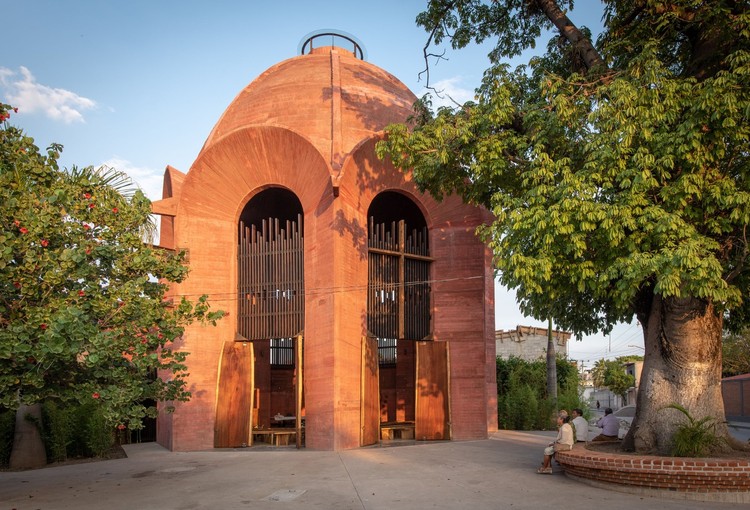
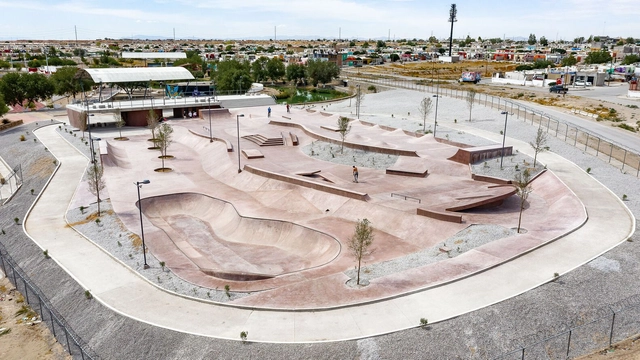
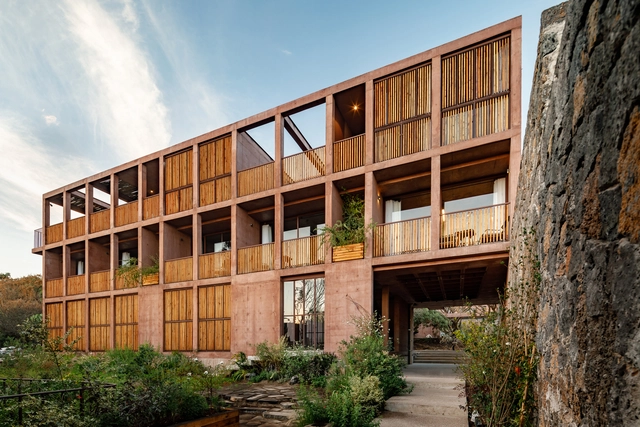
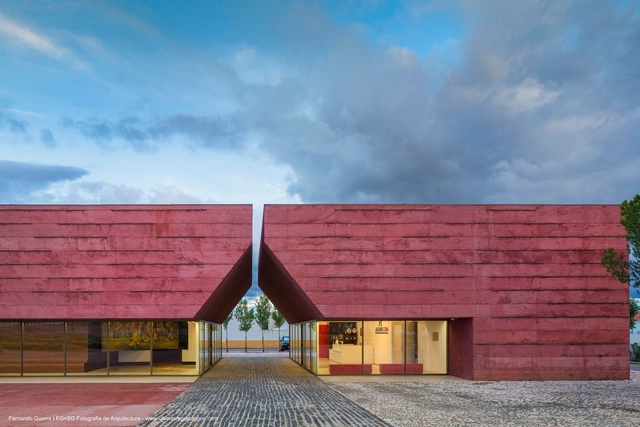
When we think of concrete, the color gray generally comes to mind. The traditional mixture of concrete, which comprises cement, gravel, sand, and water may vary in color depending on elements and admixtures but naturally varies from light to dark gray. However, compounds that add pigment to the mixture are becoming increasingly prevalent and popular, as they infuse the concrete with hues more stable than paint. These shades result from the addition of oxides: yellow, red and their derivations (eg. brown) are obtained with the addition of iron oxide; chromium and cobalt oxide create the greens and blues, respectively. For black concrete, it is common to use black iron oxide and carbon oxide combined with pozzolanic cement.
San Luis Potosí has become one of Mexico's busiest destinations for both national and international tourism. Thanks to a population boom throughout the state, Mexican architects have dedicated themselves to designing residential, cultural, and recreational buildings that highlight the region's architectural style and traditions. In this article, we present a few of these projects to illustrate a portion of Mexico's vibrant and varied architecture.
Sinaloa is a state located in the northwestern part of Mexico bordered by the states of Sonora, Chihuahua, Durango, Nayarit, and by the Gulf of California to the west. It consists of over 58200 km² of territory and is the agricultural hub of Mexico.










.jpg?1626079817&format=webp&width=640&height=580)


.jpg?1623351121&format=webp&width=230&height=230&crop=true)




















.jpg?1606770388&format=webp&width=640&height=580)


.jpg?1606770388)