



-
Architects: 128 arquitectura y diseño urbano
- Area: 73000 m²
- Year: 2020
-
Photographs:Onnis Luque
-
Manufacturers: BKT mobiliario urbano

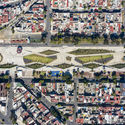
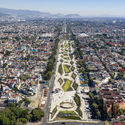
Description by Mónica Arellano. The history of hydraulic infrastructure in Mexico City dates back to pre-Columbian times, beginning with the control of the Lake Texcoco basin. Over time, historical canals were transformed into avenues and drainage systems, while others disappeared entirely. Consequently, in 2019, Mexico City proposed reinventing abandoned infrastructure spaces that had led to the gradual decay of the urban and social fabric. This strategy promoted the creation of public spaces to improve the residents' quality of life by filling the "voids" of human activity.


