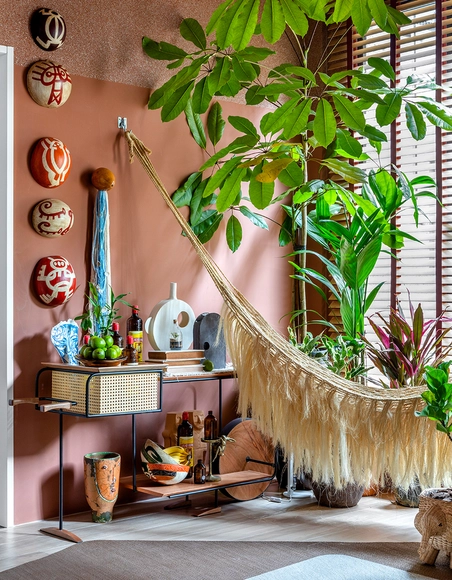
Hammocks are an undeniable passion and an iconic design element in Brazil and are key pieces of furniture in many Brazilian homes. In small houses or apartments, however, hammocks can often be difficult to place in the room. This article shows examples of how to include hammocks in architectural projects and ideas to inspire you to hang one in your apartment.
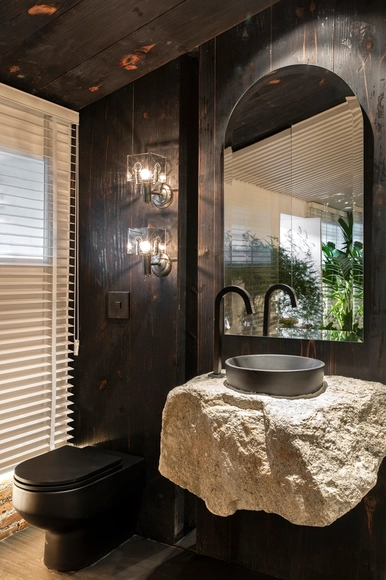
Choosing the fixtures and finishes for bathrooms, kitchens, and laundry rooms is always a design challenge. Whether dealing with wall coverings, fittings, or sanitaryware, gathering as much information as possible is crucial to designing a functional and harmonious space. Among these components, we highlight here the essential details for choosing the best type of sink and its applications.
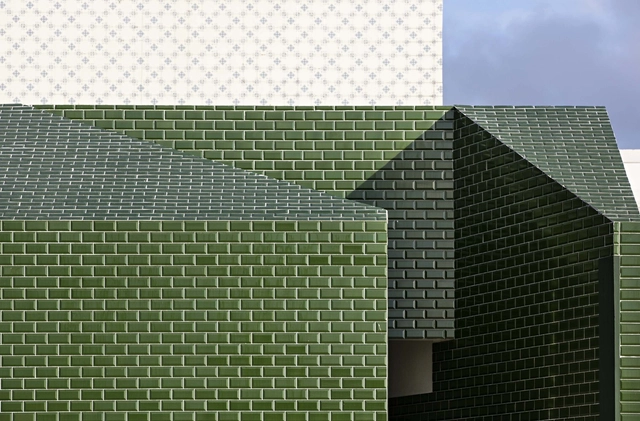
Mosaic tiles, ceramics, porcelain, wall tiles: when it comes to finishes, there are countless possibilities to choose from to add character and identity to our projects. However, faced with the sheer variety available on the market, choosing among them can be challenging. In this article, we will explore the differences between these cold tiles and offer tips on how to choose the option that best fits your project.
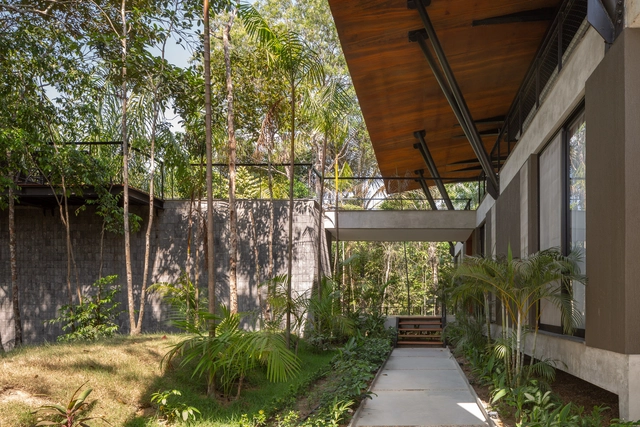
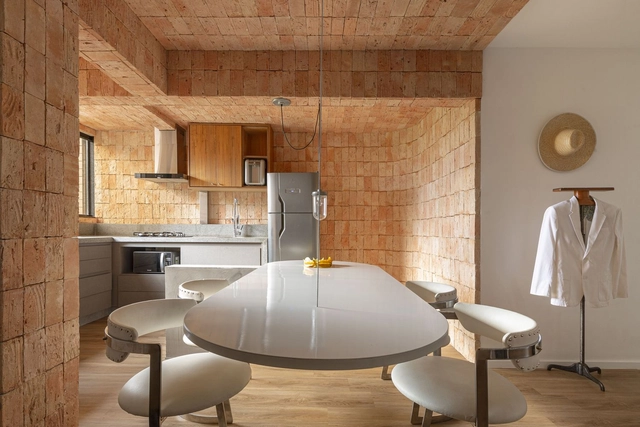
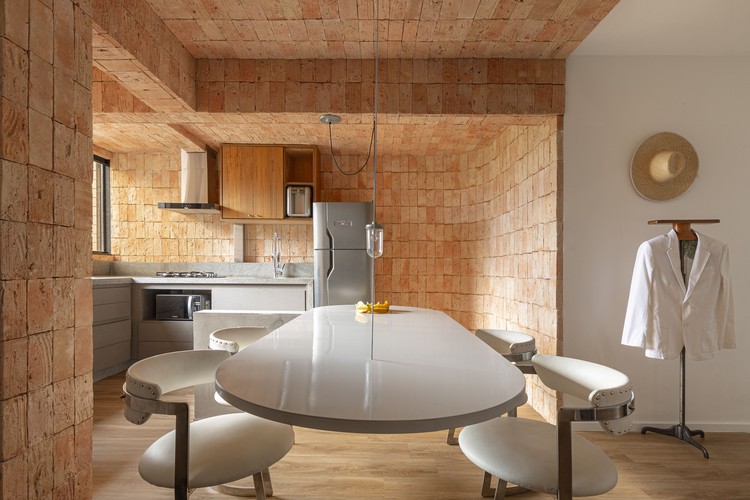
Residência GAF/Jacobsen Arquitetura. Image Cortesia de Jacobsen Arquitetura
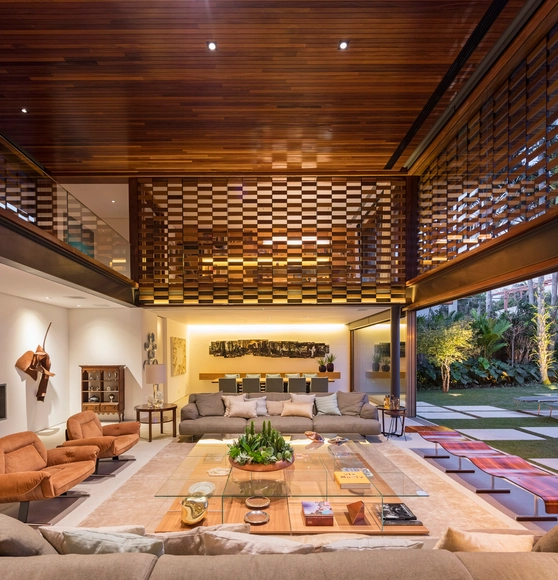
When designing homes, architecture is constantly evolving and adapting to environmental conditions. Each climate has specific needs and requires different solutions in terms of comfort. Hot and humid environments require a very different design from cold and dry environments. Natural ventilation, for example, is very important in projects located in warm climates.
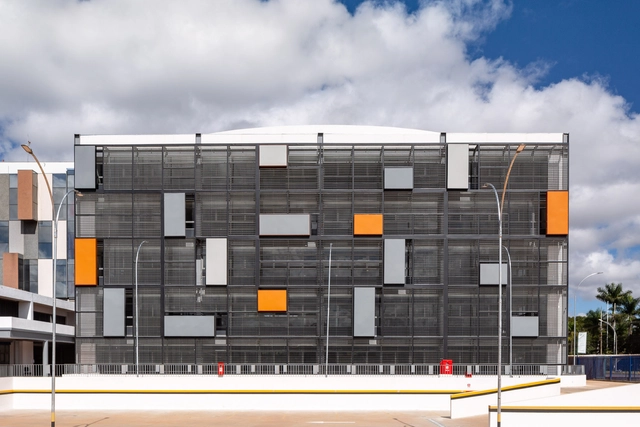
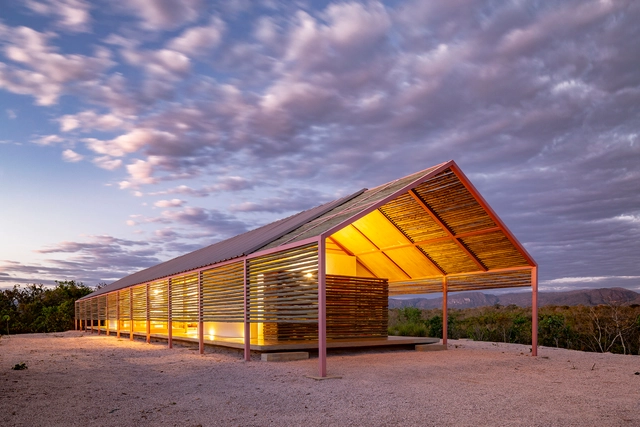
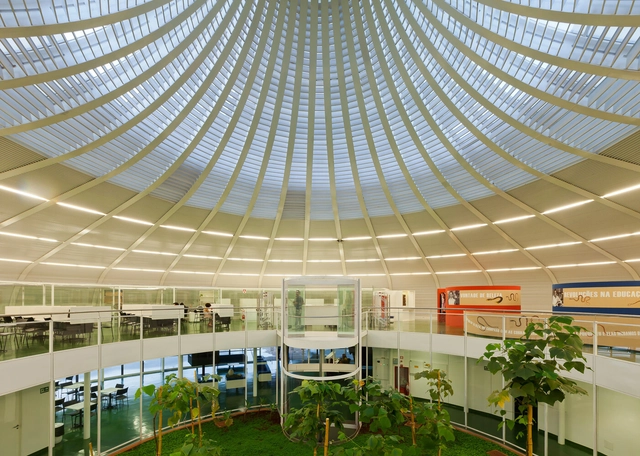
João Filgueiras Lima was a Rio de Janeiro-born architect trained at the National Faculty of Architecture. His name, however, evokes a body of work and imagery that has long transcended the city's boundaries and iconic landscapes. Lelé, as he became internationally known, carved out a unique path within the profession, establishing a presence across several Brazilian capitals. He left behind an impressive architectural legacy manifested in public and private buildings, technical innovations in production processes, and a consistently humanized approach to the act of construction.
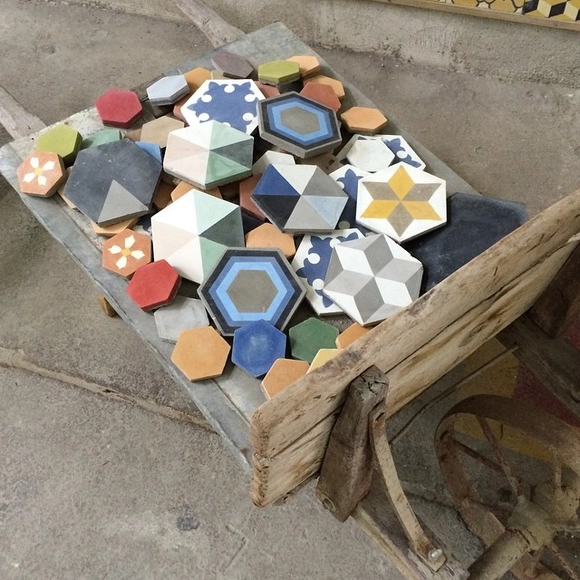
Hydraulic tiles are tiles produced entirely by hand with cement-based raw materials. Created in the mid-1800s in Spain, and widely used in Europe and America, it is a versatile option that can not only be applied in public areas, such as squares and sidewalks, but also interiors, including floors, walls, and furniture. Their versatility stems from the fact that they are highly customizable, from their colors and patterns to their geometry and dimensions. Read below a mostly technical explanation of these tiles, their manufacture, and their installation.












.jpg?1621524482)