

-
Architects: Debaixo do Bloco Arquitetura
- Area: 1200 m²
- Year: 2022
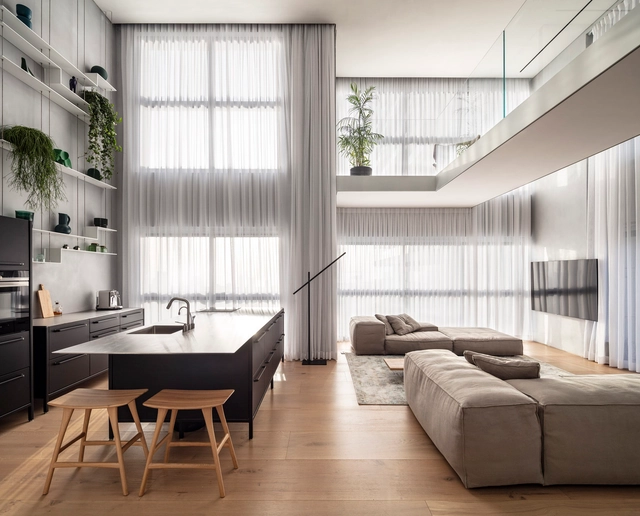
The layout of interior spaces has been in constant evolution since the very first residential project. For many years, functionality dictated how they're are organized, but soon after, cultural, social, and economical changes influenced the way people design their living space, bringing about the spacious and versatile open floor plan. A lot has been written - and critiqued - about the open floor plan: who introduced it, how it was developed, its benefits, and/or lack thereof. During the past couple of decades, open floor plans were perhaps among the most requested interior design concepts, but today, architects are leaning towards the opposite.
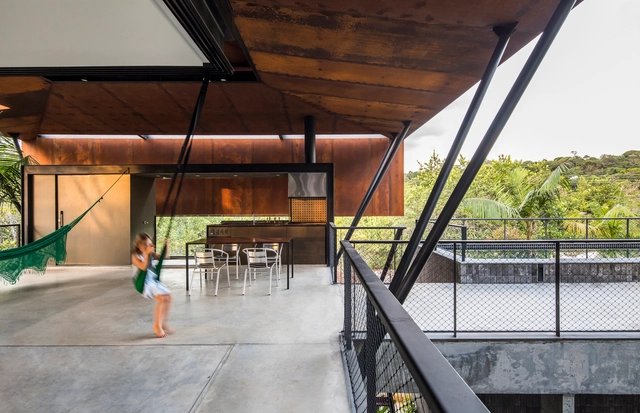
Laurent Troost is a Belgian architect with a vast history of projects in the Netherlands, Spain, and Dubai. He made the decision to move to Brazil in 2008, settling in the city of Manaus. In this region filled with challenges and inspiration, Troost developed a unique architectural practice by combining his experiences in designing luxury buildings abroad with structures in the heart of the Amazon. His work gained international recognition and has been honored with multiple awards. On September 4th, 2023, he was in Florianópolis for a lecture at the NCD Summit, where we had the opportunity to discuss his work and his views on architecture and sustainability.

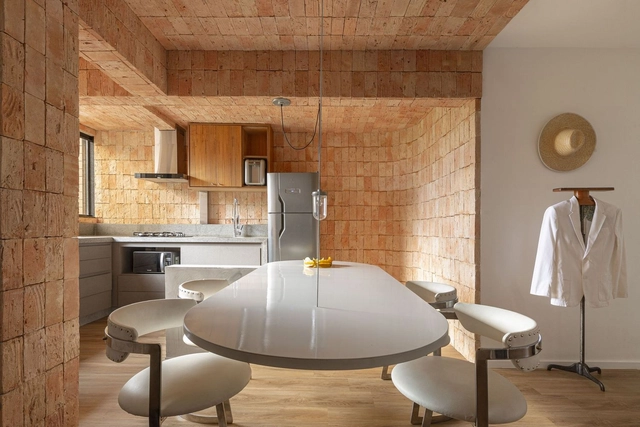
There is no material more diverse and timeless than brick - which can be seen as a staple in both ancient and modern architecture. In many cases, stripping away the drywall of a historical building can reveal beautiful brick walls, which bring a great deal of texture, warmth, and character into a living space. Whether left raw or painted, the look lends itself to a range of styles from rustic to industrial.
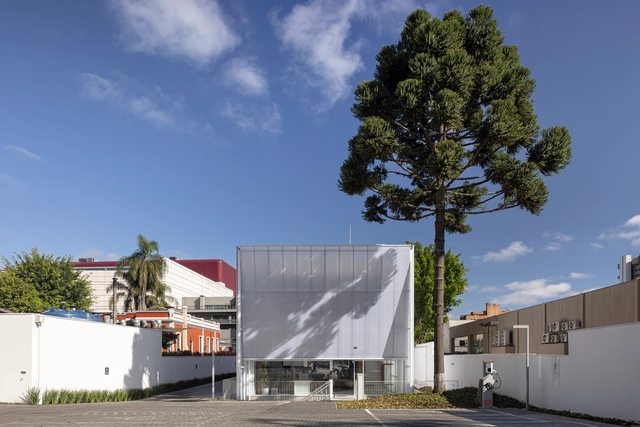
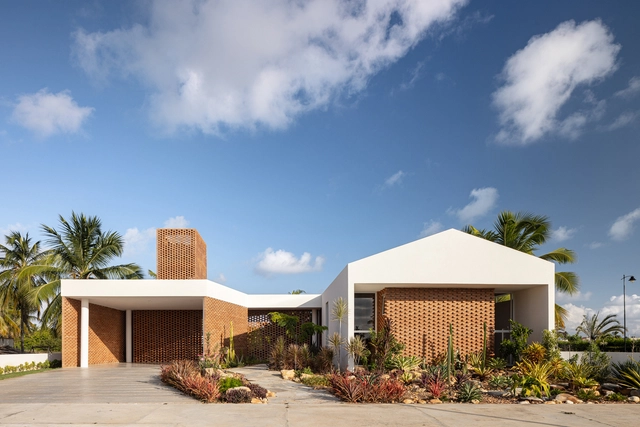
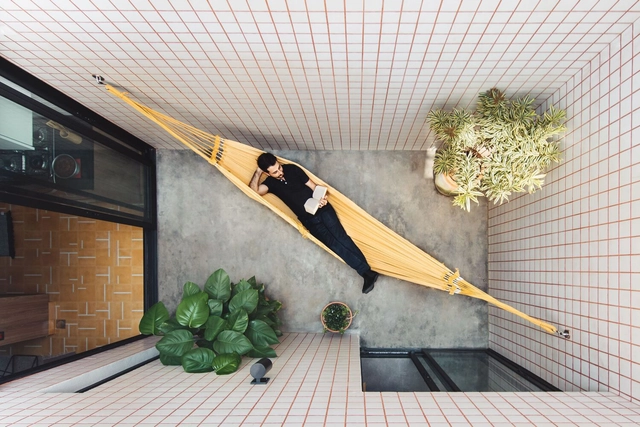
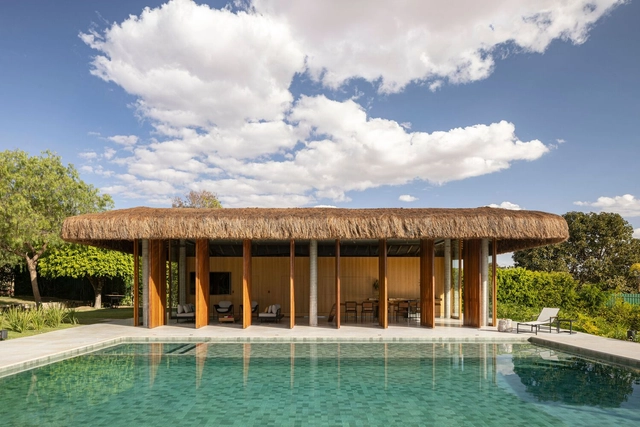
In tropical countries like Brazil, external areas are highly valued in residential projects. The backyards are used differently and configured according to the architectural project. Whether large or small, landscaped, with a pool, or equipped with other features, Brazilian families seek to make the most of their outdoor areas when possible.
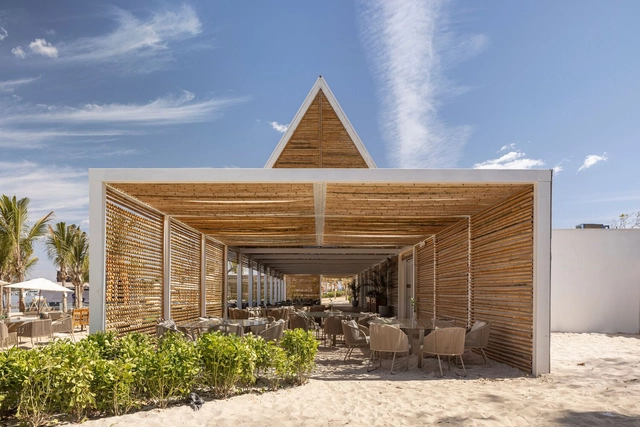

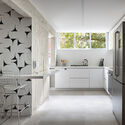
From figurative panels depicting historical scenes to modernist abstract geometric compositions, ceramic tiles have been a constant presence across different styles and eras of Brazilian architecture over the centuries. Today, composition possibilities are vast, stemming not only from how the pieces are arranged—be it randomly or in structured patterns—but also from the wide range of colors and designs offered by manufacturers.


Last week, we announced the 15 finalists for the 2023 Building of the Year, an award celebrating the best of Portuguese-speaking architecture by inviting our readers to select their favorite projects built in Portuguese-speaking countries. The day has come to reveal the winners of the 2023 ODA.
The 2023 Building of the Year Award is presented by Dornbracht, an internationally renowned brand for kitchen and bathroom design.

With the rise of social media, we have entered an era of a multimedia "society of the spectacle," where the influence of images on the public grows year by year. Visually-driven media platforms are increasingly dominating the market, serving as an alternative form of travel that allows people to experience breathtaking scenes from around the world without leaving home. Dedicated to bringing design inspiration to the public, ArchDaily established its presence on Instagram years ago. In 2022, we expanded onto China’s Xiaohongshu (RED), hoping to share exceptional projects with a broader audience. As expected, the influence of star architects remains strong, while playfulness, aesthetics, and relevance emerge as key terms guiding reader interest. Here, we present the top 20 most-liked architectural projects of 2022 on ArchDaily’s official Xiaohongshu and Instagram accounts. Read on to discover the public's architectural preferences.
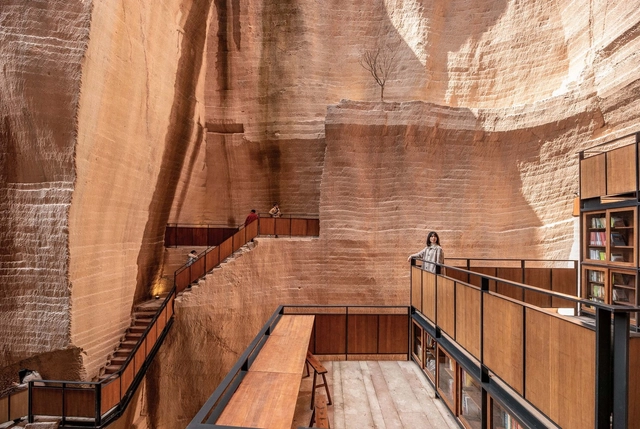
If the last pandemic year was a perfect occasion to reflect and debate on wellness and digitalization, this 2022 was a tremendous opportunity to deepen and comment on some other of the most pressing issues in architecture: from carbon neutral construction to the democratization of design. Along this line, with each of the different topics that ArchDaily develops each month, we asked an open question for you -our dear readers- to actively join in with the contribution of your experiences and knowledge.
After reading and compiling a huge number of messages received, from construction professionals, students, and architecture enthusiasts, it is time to present a summary of the main positions on each topic. Thank you very much for your opinions and we look forward to your comments for 2023!
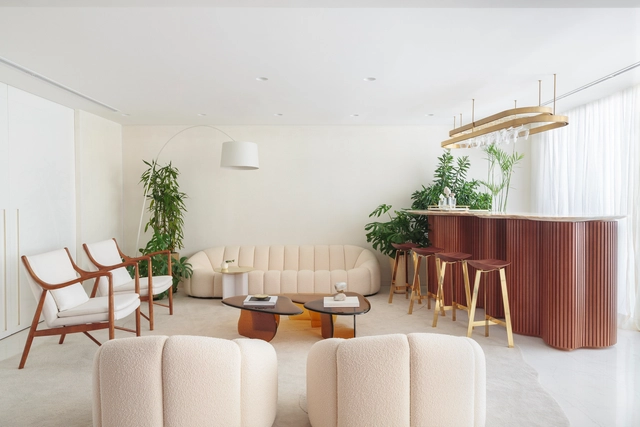
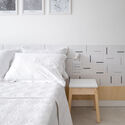
The rationality of orthogonal shapes dominates architecture, despite grand gestures that have sought to oppose themselves throughout history. In large-scale production, the right angles, repetition and modularity of the block or grid of pillars help in the efficiency of construction, despite reproducing the same spatial solutions. Unlike buildings, interior architecture can propose alternatives to break this rationality, whether from partitions or decorative objects.
Laurent Troost personally received the Oscar Niemeyer Award at the 18th International Architecture Biennial in Buenos Aires. His winning project Cassina Innovation House, in the capital of the state of Amazonas in Brazil's Northern Region, brought the challenges of building in Manaus to the table.