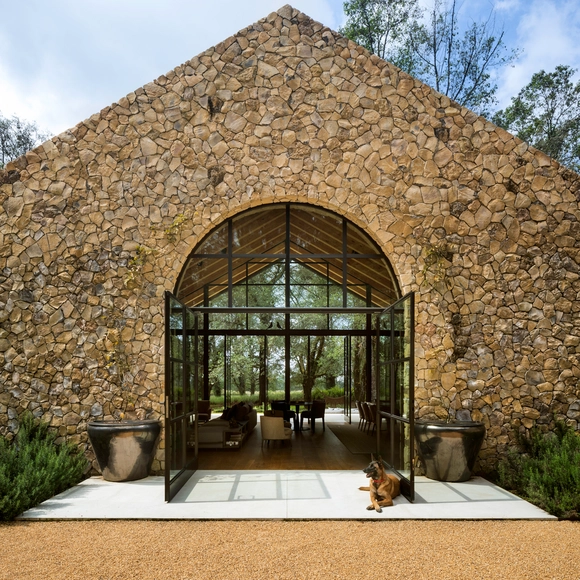


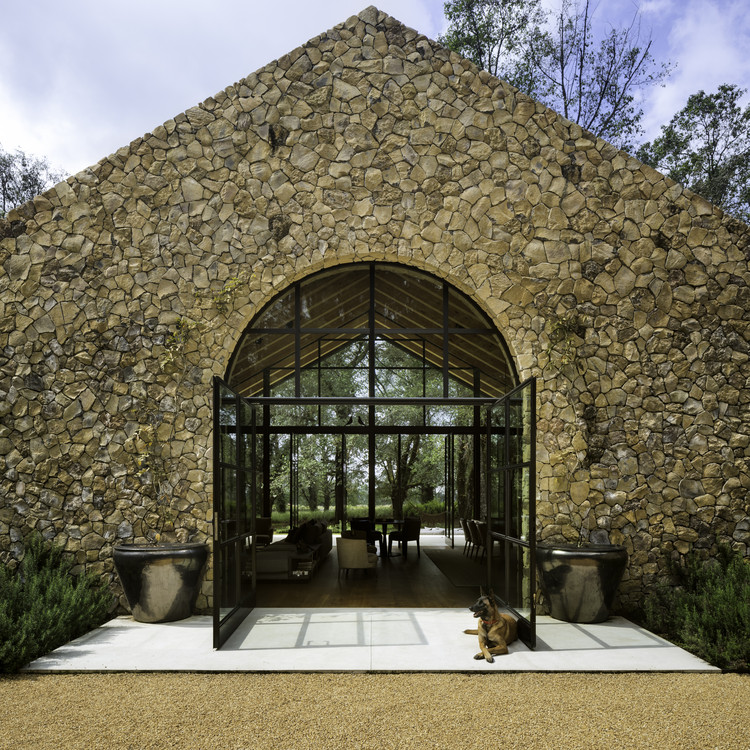
-
Architects: Chain + Siman, Modo Manera
- Area: 520 m²
- Year: 2020
-
Manufacturers: Villeroy & Boch
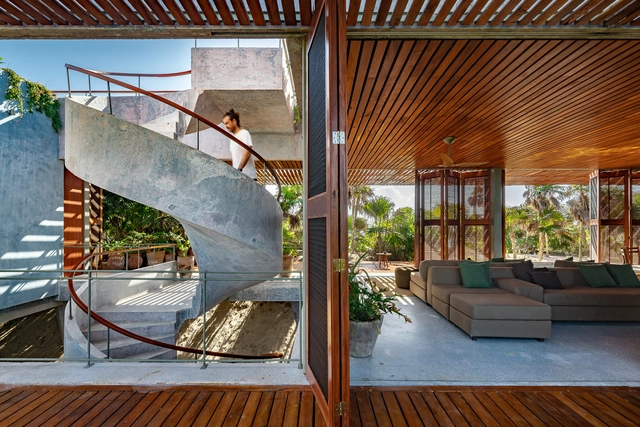
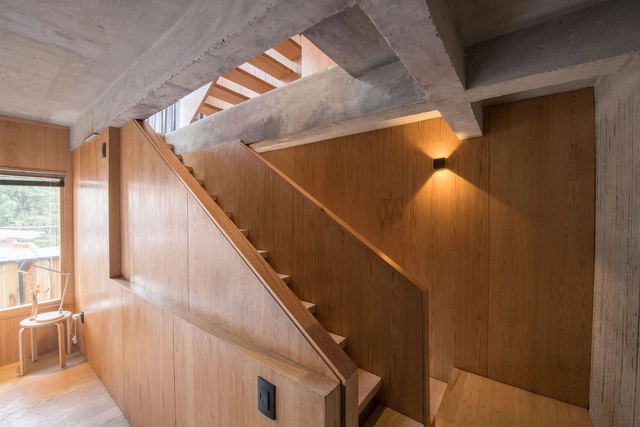
Stairways are central to access and mobility within a space, and yet, they often take a backseat to other elements of design within a work of architecture. However, Mexican firm PRODUCTORA has put them at the forefront of many of their projects, notably the Teopanzolco Cultural Center.
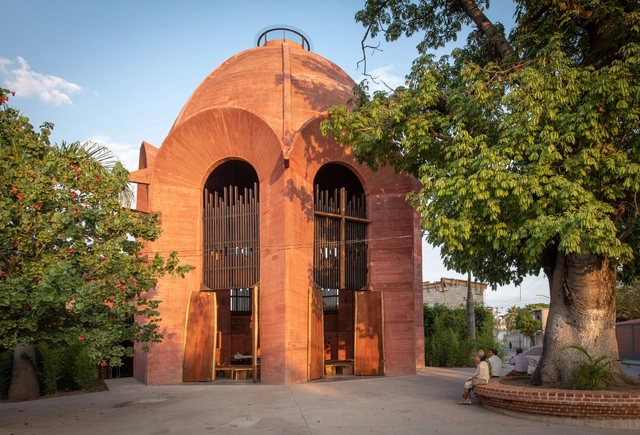
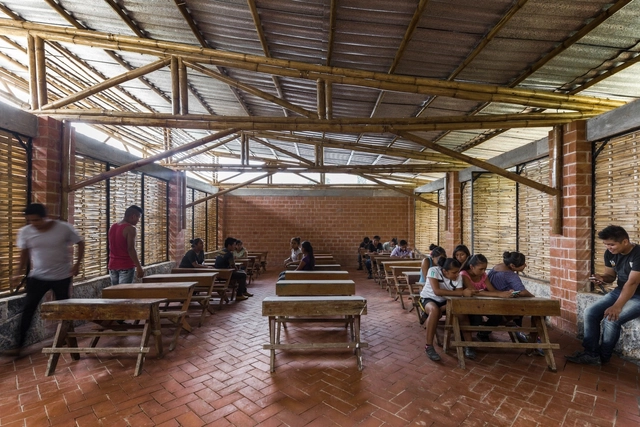
The call for entries for the Third Edition of the Oscar Niemeyer Award for Latin American Architecture, presented by the Network of Architecture Biennials of Latin America, has successfully concluded. A total of 101 works from 12 Latin American countries are participating, with Mexico represented by 30 high-quality and diverse projects—all clear examples of outstanding contemporary architectural production.
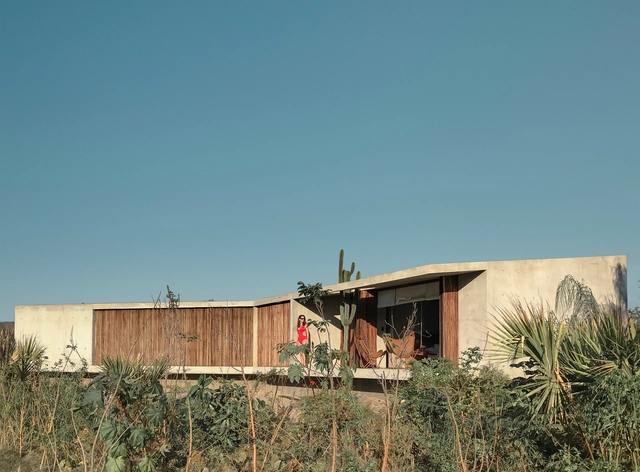
One of the most critical factors in architectural design is local climate. While extreme conditions can pose challenges—requiring insulating materials to adapt to changing weather—Mexico's favorable climates work to the designer's advantage, enabling the creation of microclimates and spaces that blur the transition between indoors and outdoors.
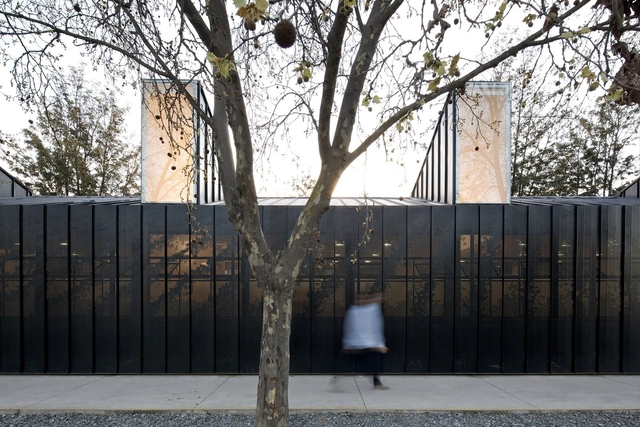
The New York firm Diller Scofidio + Renfro (DS+R) gained worldwide attention in 2002 with the Blur Building, designed for that year's Swiss Expo. The volume was formed by 35,000 high-pressure nozzles that sprayed water from the lake below, creating a massive artificial cloud. Its shape, boundaries, colors, and translucency shifted with the sun and wind, offering visitors an immersive experience as they entered a fully permeable volume. Ten years later, Carla Juaçaba and Bia Lessa designed Humanidade2012 for the Rio+20 United Nations Conference, where several programmatic volumes were arranged within a massive scaffolding structure. With more voids than solids, its edges dematerialized into the sky, and at night the volumes appeared to float. According to the architects, “the very movement of people through the building turned visitors into exhibits when seen from afar.” Despite differences in scale and context, both temporary projects succeed in working with notions of translucency, lightness, the dissolution of boundaries, and movement.
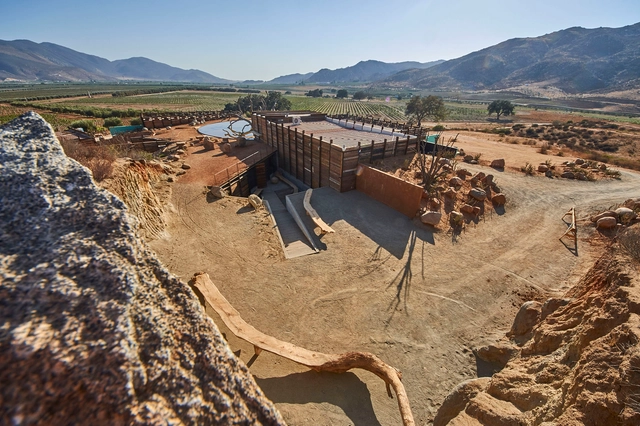
Given its diverse climate and geography, Mexico's wine production has steadily gained recognition in states such as Aguascalientes, Baja California, Baja California Sur, Chihuahua, Coahuila, Durango, Guanajuato, Nuevo León, Puebla, Querétaro, Sonora, and Zacatecas. In these regions, vineyards are increasingly in the spotlight, alongside wine festivals and curated experiences that offer visitors an immersive look into the various stages of production.
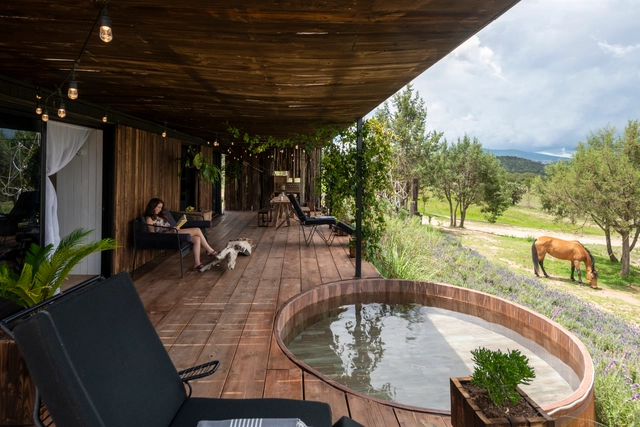
.jpg?1597424114&format=webp&width=640&height=580)
The Mexican state of Oaxaca is one of the most visited destinations in the country, drawing travelers from around the globe with its rich culinary, cultural, and architectural heritage. Located in the southeastern region of the country, it spans 93,757 km² and is divided into 570 municipalities, making it the fifth-largest state in Mexico.

Youth Centers are facilities designed to provide a safe, informal and supervised environment for young people. They accommodate unstructured social interaction among different age groups and provide the space to offer more structured activities. By giving youth the opportunity to take part in recreational and cultural activities or vocational counseling, these centers help them develop their physical, social, emotional, and cognitive abilities and to experience achievement, enjoyment, friendship, and recognition.
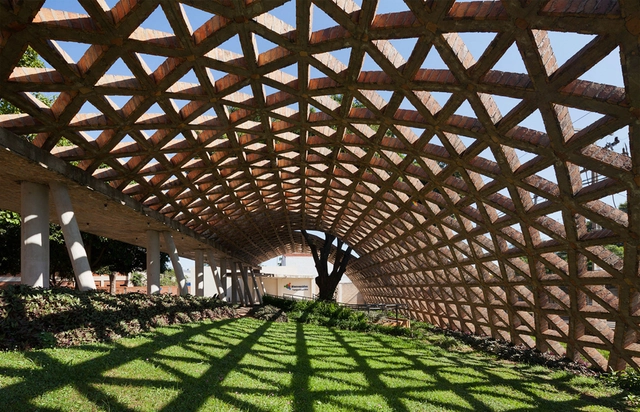
The focus of buildings should ultimately be the well-being of the people using them. When we think of our experiences in hospitals, clinics, the dentist's office, and other medical facilities, the feeling is rarely pleasant. Perhaps it's the smells, the dull, monotone colors, or the sound of medical gadgets working away on some unlucky patient.
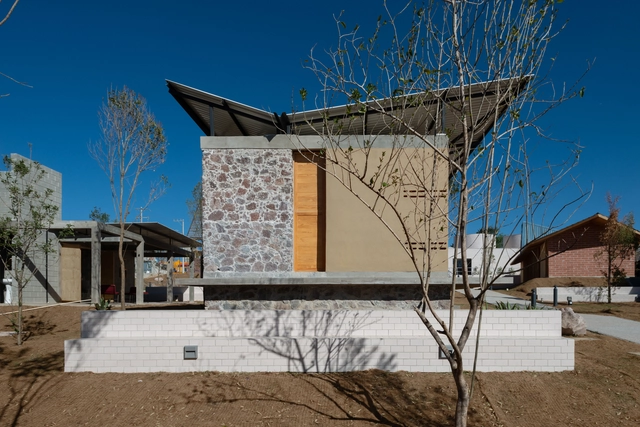
.jpg?1563579873&format=webp&width=640&height=580)
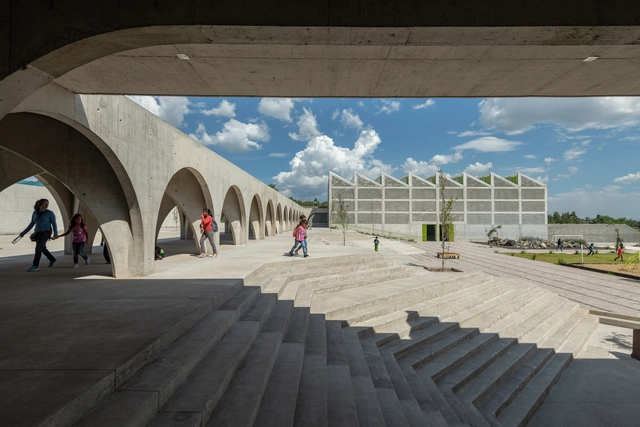
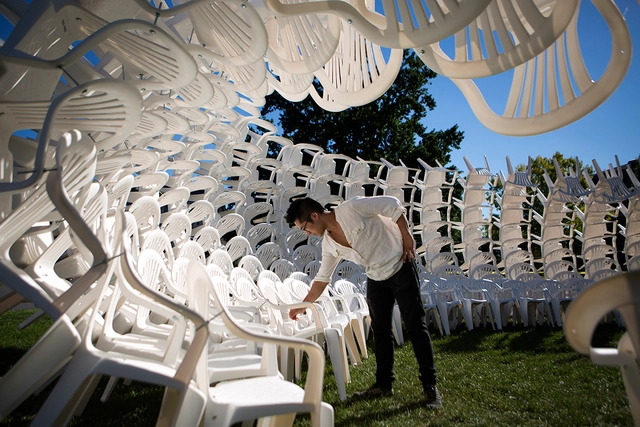
As seen throughout architectural history, ephemeral installations and pavilions are key elements for addressing specific architectural moments and social manifestations in an almost immediate way. While some pavilions have proven so significant that they transcended their temporary nature to become permanent, exemplary expressions of a historical moment—such as the Barcelona Pavilion, designed by Ludwig Mies van der Rohe and Lilly Reich for the Barcelona International Exposition in Montjuïc—others remain documented in photographs, plans, and experiences, to be rewritten in future projects.
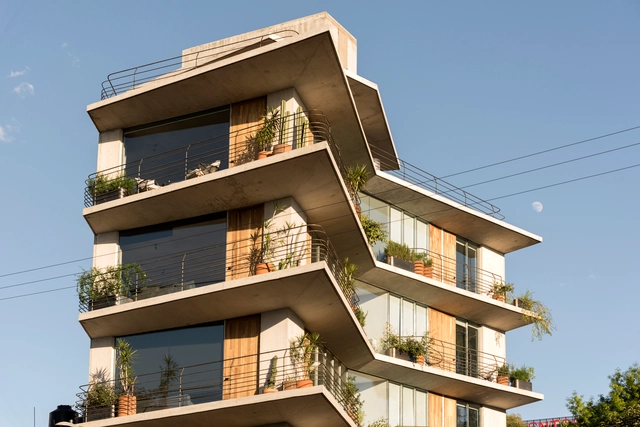
One of the most critical factors in architectural design is the site's specific climate. While this can present challenges in extreme conditions—requiring insulating materials to adapt to shifting environments—Mexico's privileged climate works in the architects' favor. It allows them to create microclimates and spaces that blur the boundary between indoors and outdoors.
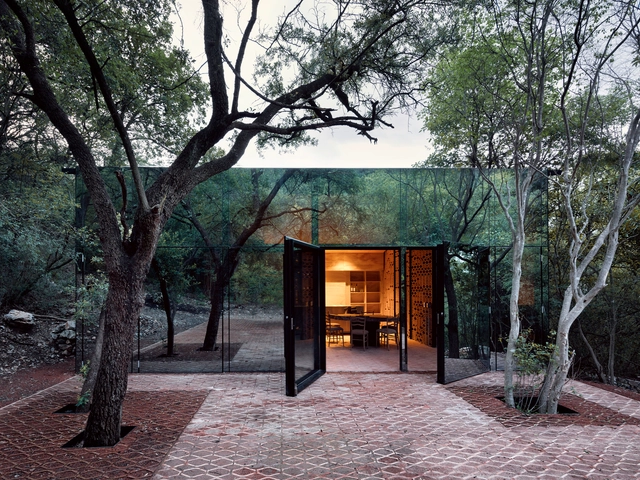
As one of Mexico's most prominent cities and business hubs, Monterrey is situated within the territory of Nuevo León, a state in the country's Northeast region that borders Texas, defining a significant portion of the US-Mexico border. Covering just over 451.30 square kilometers with an average elevation of 500 meters above sea level, the municipality is bordered to the north by San Nicolás de los Garza and General Escobedo; to the south by San Pedro Garza García and Santiago; to the east by Guadalupe, Juárez, and Cadereyta; and to the west by Santa Catarina and García.

_copy.jpg?1596150637&format=webp&width=230&height=230&crop=true)


.jpg?1600032057&format=webp&width=230&height=230&crop=true)


.jpg?1597424114)


.jpg?1563579979&format=webp&width=230&height=230&crop=true)
.jpg?1563580234&format=webp&width=230&height=230&crop=true)
.jpg?1563581527&format=webp&width=230&height=230&crop=true)
.jpg?1563580832&format=webp&width=230&height=230&crop=true)
.jpg?1563579873)


.jpg?1595384588&format=webp&width=230&height=230&crop=true)



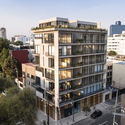
.jpg?1594917129 "MO47 Building / ZD+A. Image © Jaime Navarro")


