Oscar Ribeiro de Almeida Niemeyer Soares Filho, or simply Oscar Niemeyer, (December 15, 1907 – December 5, 2012) was one of the greatest architects in Brazil's history, and one of the greats of the global modernist movement. After his death in 2012, Niemeyer left the world more than five hundred works scattered throughout the Americas, Africa, and Europe.
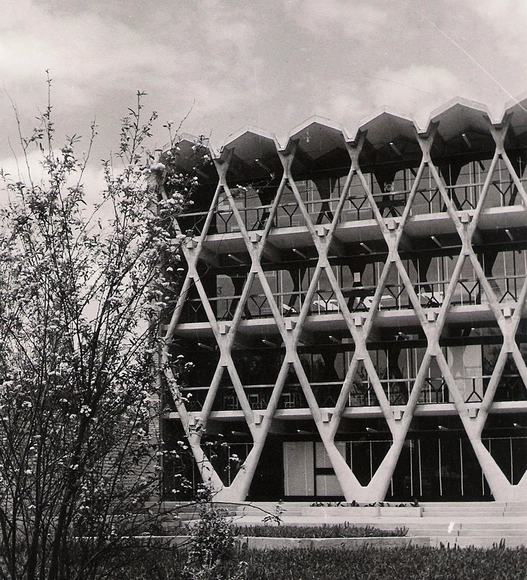
Facultad de Arquitectura de la Universidad de Mendoza / Enrico Tedeschi. Image Cortesía de Archivo Descotte. Facultad de Arquitectura Urbanismo y Diseño. Universidad de Mendoza
On November 27, four major works of brutalist architecture in Argentina were declared "National Historic Monuments" four: the Mariano Moreno National Library, the Manuel Belgrano School of Commerce, the 6 de Julio Municipal Palace, and the School of Architecture at the University of Mendoza. These buildings, considered outstanding examples of brutalist architecture, will be protected under Decree 791/2019, which establishes that they cannot be modified, sold, encumbered, or alienated, nor can their facades be altered without the prior intervention of the National Commission of Monuments, Museums, and Historic Places.
On October 18, during the 17th edition of the Buenos Aires International Biennial of Architecture and concluding a series of keynote lectures, debates, and exhibitions held at the Usina del Arte in Buenos Aires, the winners of the “Evolución Ladrillo” (Brick Evolution) award, the CICA (International Committee of Architectural Critics) awards, the Bienal BA category awards, and the Grand Biennial Prize were announced, honoring a total of 28 architecture firms, institutions, and organizations for their work in the field of architecture.
Campo Baeza asserted that “Light is the most beautiful, richest, and most luxurious material used by architects. The only problem is that it is given to us for free, is within everyone's reach, and is not valued enough” [1]. Today, many architects agree on the importance of lighting when creating architectural spaces, reflecting on its quality, quantity, nuance, and directionality. Despite this, when determining the characteristics of their building enclosures, many choose to work with materials that ensure a high degree of privacy, either by incorporating opaque elements or envelopes that screen views and diffuse contact with public outdoor spaces.
In certain cases where solar conditions permit, modern technological developments allow for the incorporation of translucent enclosure systems that ensure the entry of abundant, controlled natural light throughout the day without sacrificing privacy. These self-supporting treated glass panel systems offer the possibility of generating completely glazed, continuous, homogeneous, unobstructed, and translucent surfaces while simultaneously screening views into the spaces. Below, we present 6 projects located in Argentina that exemplify different ways of working with these systems.
As a result of programmatic uncertainty, the diversity of individual lifestyles, and the impossibility of planning future ways of living, our architectural spaces have begun to call their own boundaries into question. The inability to confine contemporary activities to specific rooms, combined with new demands for adaptability and constant mutation in *micro-spaces*, has led to various architectural strategies in pursuit of flexible living.
The continental winners of the 2019 Prix Versailles have been announced, an annual award celebrating commercial architecture projects around the world.
This year, 11 winning projects were selected for the Central America, South America, and the Caribbean region across four main categories: shops, shopping malls, hotels, and restaurants. The global winners will be announced in September.
Recently, Airbnb has begun to approach the architectural field, both by offering unique experiences in world-renowned buildings and by creating Archibnb, a platform that offers hosts the option to create architectural floor plans.
Through these initiatives, guests from various locations have had the privilege of spending a night in places like the Great Wall of China, the Louvre Museum, or the LEGO House.
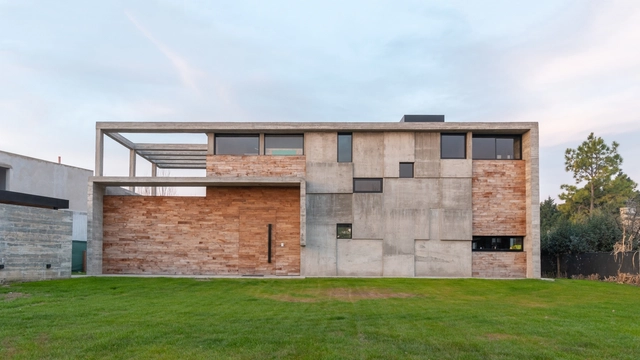
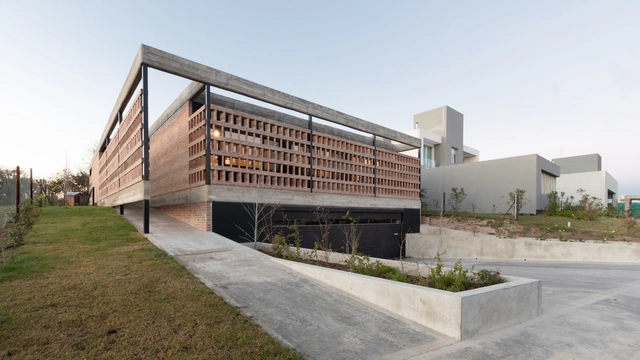
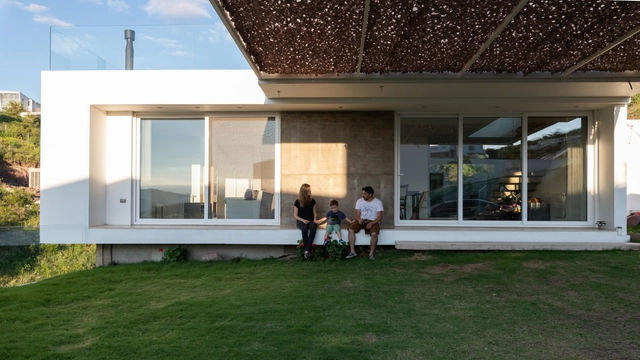
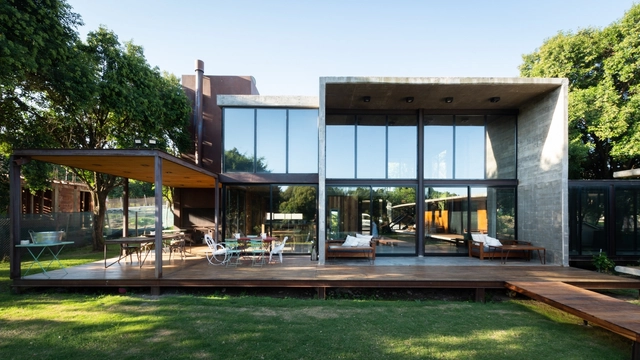
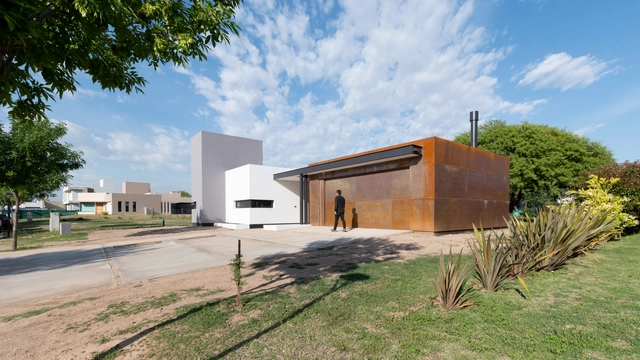
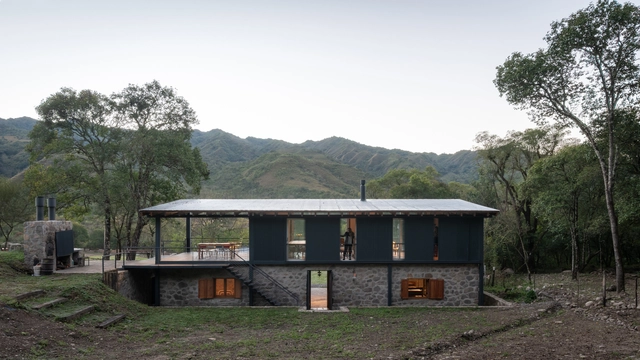
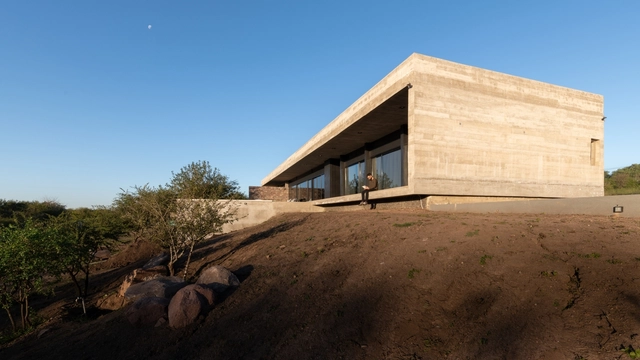
When designing outside of urban areas, where property lines are not constrained by party walls and adjacent buildings do not dictate the layout, some of the most honest architectural responses emerge regarding how to intervene and what stance to take toward the surrounding landscape.
The following four architectural projects located in the Province of Córdoba, shaped by the topographical conditions and the specific characteristics of their surroundings, establish a profound sense of belonging with the landscape. By blurring the line between the natural and the artificial, they offer valuable tools and insights for designing on suburban plots.










.jpg?1568660571&format=webp&width=640&height=580)