

-
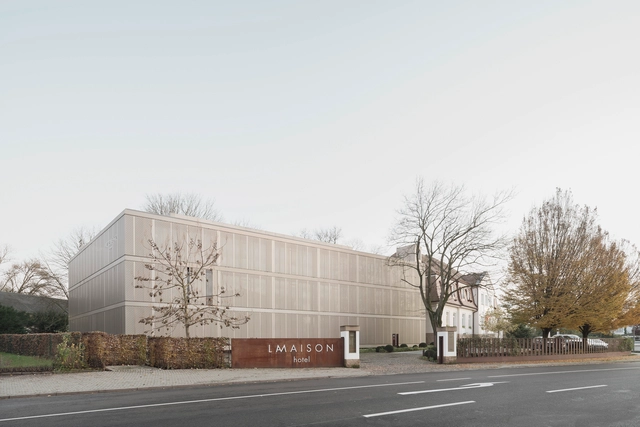
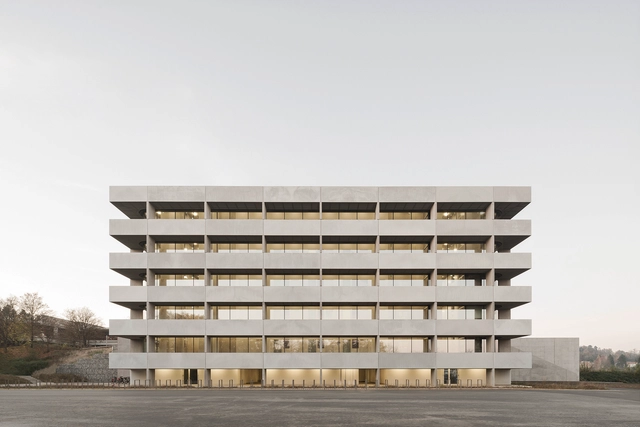
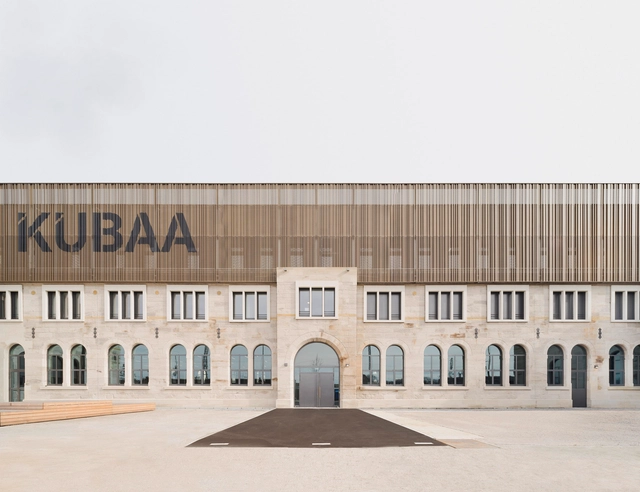
Architects: a+r ARCHITEKTEN
- Year: 2020
-
Manufacturers: Bembé Parkett, Chemotechnik Abstatt GmbH, Dachziegelwerke Nelskamp, Moradelli, Nora
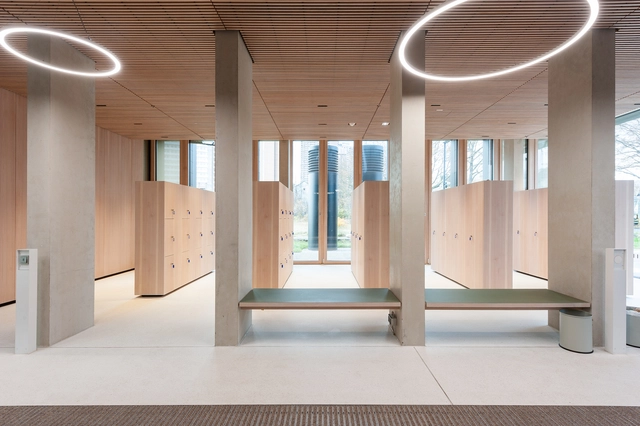
Selecting materials for an architectural project is an art form in itself. From the ruggedness of stone to the transparency of glass, materials and their unique qualities can set the tone, influence the mood and define the atmosphere of any interior. They have the power to transform a cold, sterile room into a warm and inviting sanctuary or a modern and sleek environment. Functionality and comfort are also closely tied to material selection; for example, durable, low-maintenance materials like terrazzo are an ideal choice for high-traffic areas, while the softness of carpet or fabric can provide a sense of coziness in hospitality settings.
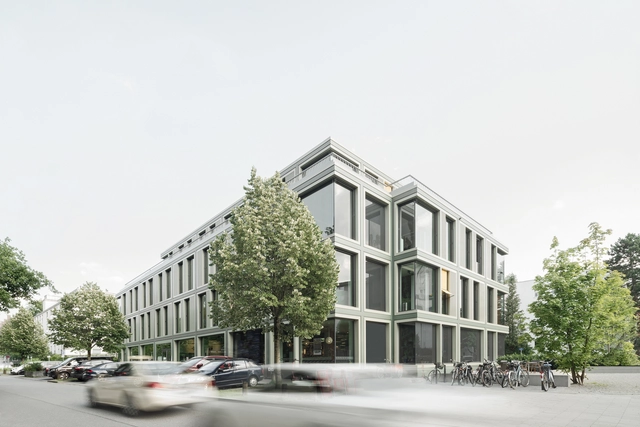
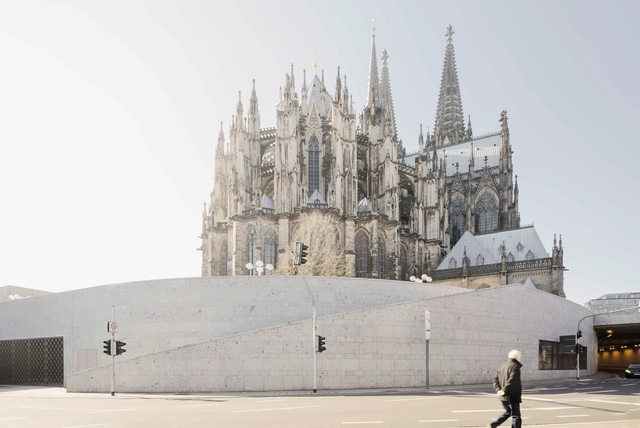
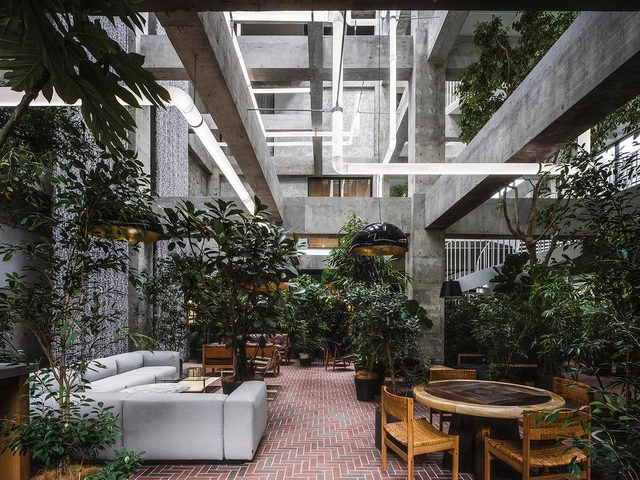
Widely recognized as being responsible for 8% of global CO2 emissions, concrete should be a blacklisted material, relegated to the shameful annals of architectural history. Rapid global urbanization, however, will ensure its unequaled production simplicity and structural strength help retain concrete’s firm grip on the construction industry.
If you can’t beat it, improve it: is the industry’s mantra on innovation, currently developing various alternatives to concrete or its constituent parts and admixtures. So with a concrete set for the environmental green list, the concrete revolution –using the material as an aesthetic exterior facade, interior decoration and fittings, or even in furniture and lighting, as well as a structural framework– is free to continue.

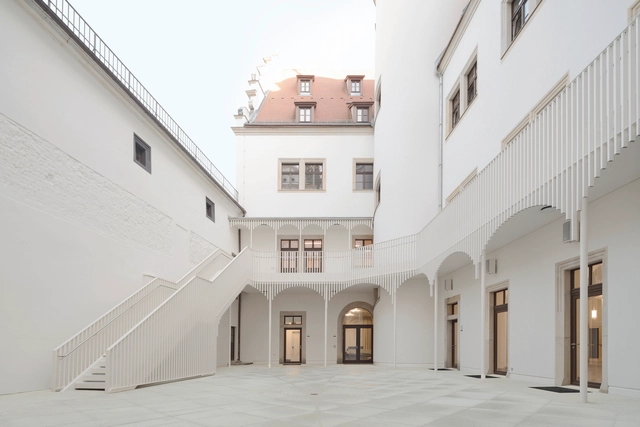
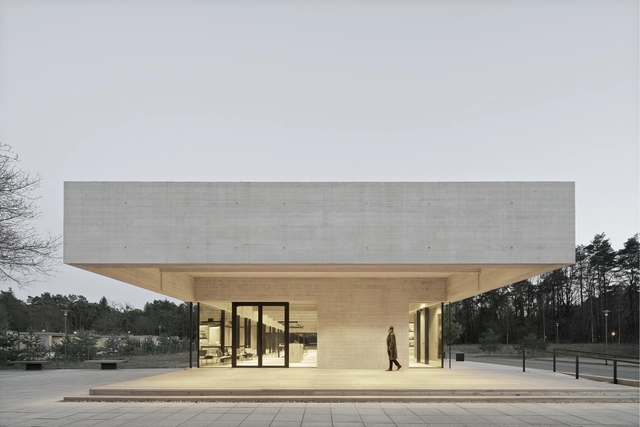
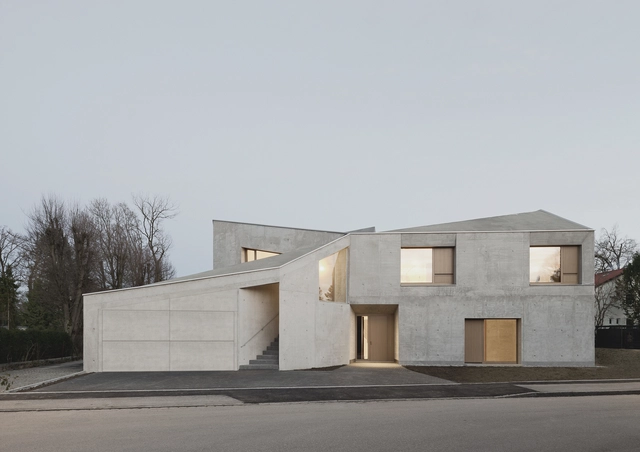
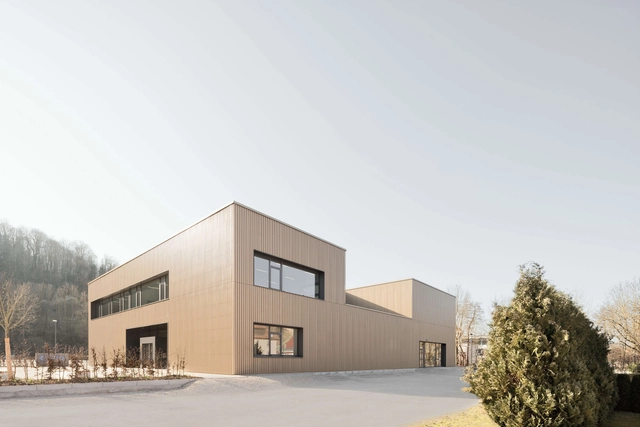
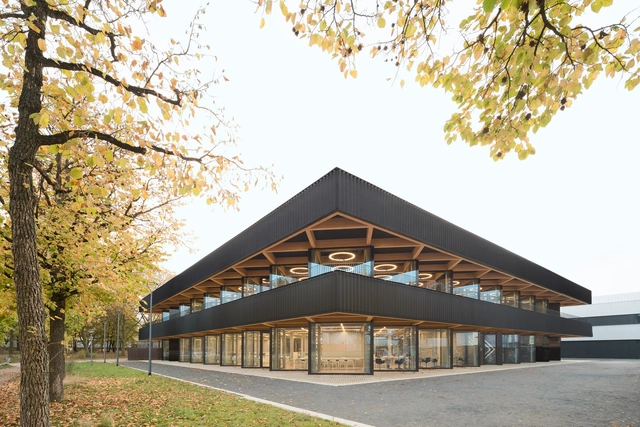

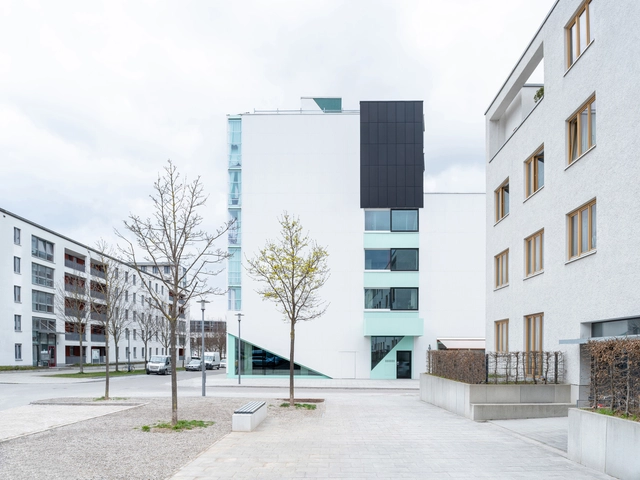
San Riemo Residental Building by ARGE Summacumfemmer Büro Juliane Greb is this year's recipient of the DAM Prize for Architecture, an annual award highlighting outstanding German projects. Selected from 100 buildings nominated by the Deutsches Architekturmuseum (DAM), the San Riemo Residental Building was commended for an exemplary take on communal living and its spatial flexibility that can accommodate a wide range of dwelling scenarios. The finalist projects include OMA’s Axel Spinger building, Burger Rudacs Architekten’s John Cranko ballet school in Stuttgart and Florian Nagler Architekten’s , Research Buildings Bad Aibling.

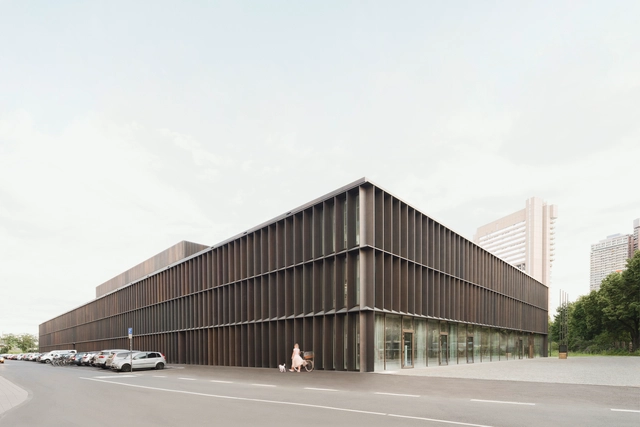
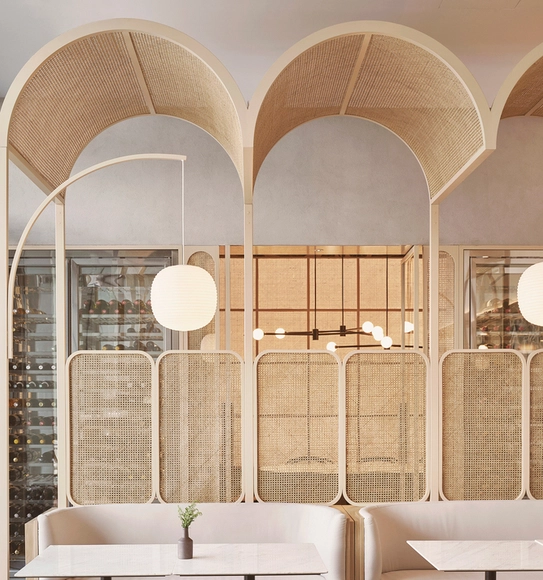
Over the past couple of years, many designers have voiced their commitment to ethical and ecological sourcing, resorting to frugal designs through local materials, traditional techniques, and equitable architecture. Having this approach in mind, many found inspiration in their cultural heritage, reimagining ancient designs in contemporary contexts.
When thinking of recycled design trends, we can't overlook one of the most well-known and popular materials that was shared by nations all around the globe over the span of 100 years; on balconies, outdoor patios, gardens, and indoor living spaces: rattan. It is estimated that almost seven hundred million people worldwide use rattan, with many countries presenting it as an integral part of their cultures. In this article, we look at how architects and designers integrated rattan in their designs and found numerous ways to make the best out of Southeast Asia's popular local material.
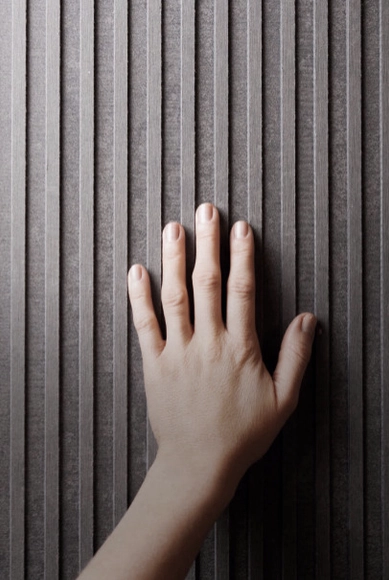
Claude Monet and Vincent van Gogh used the impasto technique extensively in their paintings. Both applied thick layers of oil paint over the canvas, usually one shade at a time, and it was up to the viewer's brain to mix the colors and create the desired effects. When dry, the paint forms reliefs and textures on the canvas, evoking a sense of movement. Even without being able to touch the screen, the texture of the brushstrokes gives a three-dimensionality to the painting, something that can only be fully observed by seeing the artwork live, looking at it from more than one angle and actually experiencing it.
In his famous book “The Eyes of the Skin: Architecture and the Senses,” Juhani Pallasmaa points to "a predilection in favor of vision and in detriment of the other senses in the way architecture was conceived, taught and criticized, as well as the consequent disappearance of sensory and sensual characteristics in arts and architecture." According to the author, "an architectural work is not experienced as a series of isolated retinal images, but in its fully integrated material, corporeal, and spiritual essence."