

-
Landscape Architects: Shma Company Limited
- Area: 6000 m²
- Year: 2019
.jpg?1646917183)

More than 5000 new projects published throughout 2021 make ArchDaily the largest online architecture library in the world. ArchDaily Curatorial Team researches, contacts offices, prepares, and delivers the built projects in the world on a daily basis, with the objective of providing inspiration, knowledge, and tools to our users who take part in the creation of better built environments.

As our world evolves at an unprecedented pace, the challenges that come with it are becoming more and more complex. The questions faced by the cities and networks of our global world, the physical and virtual environments where our evolution takes place, are making architecture more relevant than ever.
The issues of the built environment are no longer exclusive to the incumbents who build and design it and have become transversal questions in our society. From the citizens who question the quality of their public spaces to the self-trained builder erecting a tiny house in the woods, to the homeowners using an app to codesign their interiors during lockdown, we want to have a saying and we want to take action. Why does architecture have to be so uncertain, so distant?
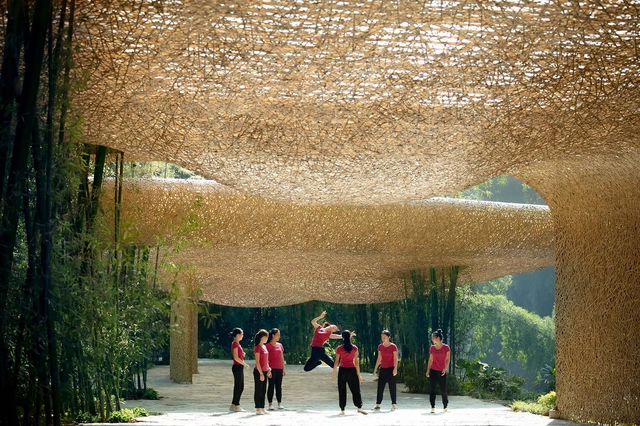
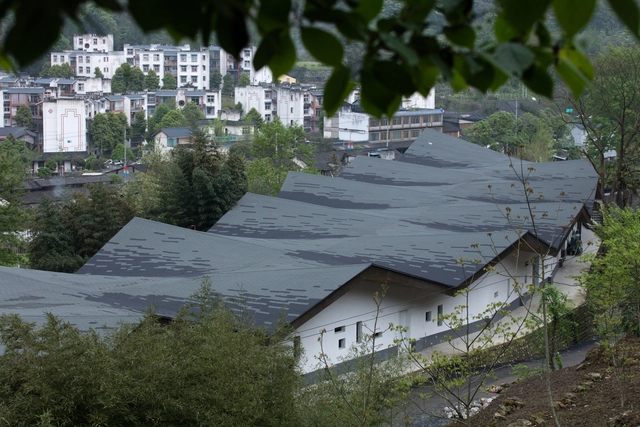
Bamboo is a very resistant, versatile, and sustainable natural building material, which can be used to build structures and decorative elements. This article explores its diverse applications in a selection of projects for public spaces.




.jpg?1646917219&format=webp&width=230&height=230&crop=true)
.jpg?1646917211&format=webp&width=230&height=230&crop=true)
.jpg?1646917209&format=webp&width=230&height=230&crop=true)
.jpg?1646917262&format=webp&width=230&height=230&crop=true)
.jpg?1646917183)




.jpg?1636994021&format=webp&width=230&height=230&crop=true)




.jpg?1631100259&format=webp&width=230&height=230&crop=true)
.jpg?1631100250&format=webp&width=230&height=230&crop=true)


