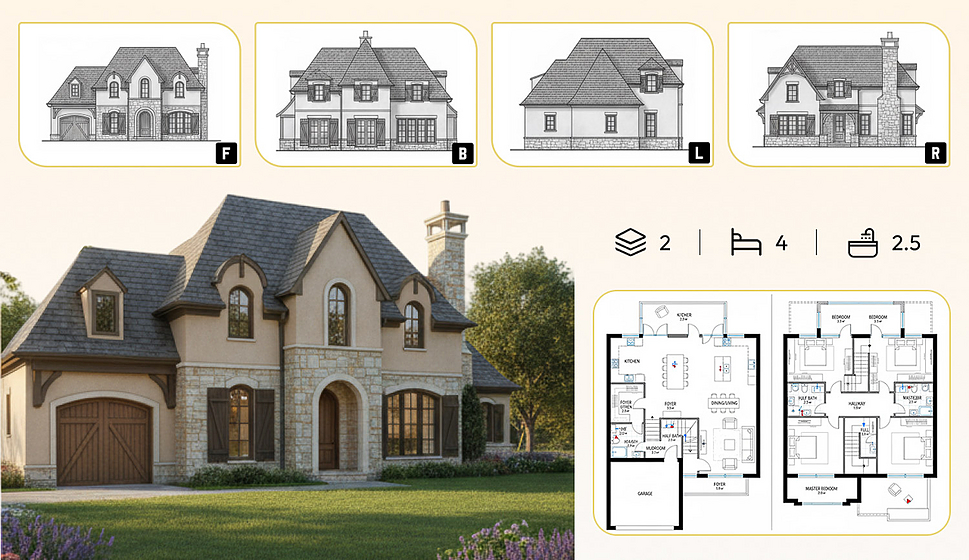
This guide covers a workflow that moves from project parameters to generated floor plans, 3D perspective views, exterior design exploration, and site context visualization, using AI tools in place of preliminary CAD and rendering work.
This guide covers a workflow that moves from project parameters to generated floor plans, 3D perspective views, exterior design exploration, and site context visualization, using AI tools in place of preliminary CAD and rendering work.
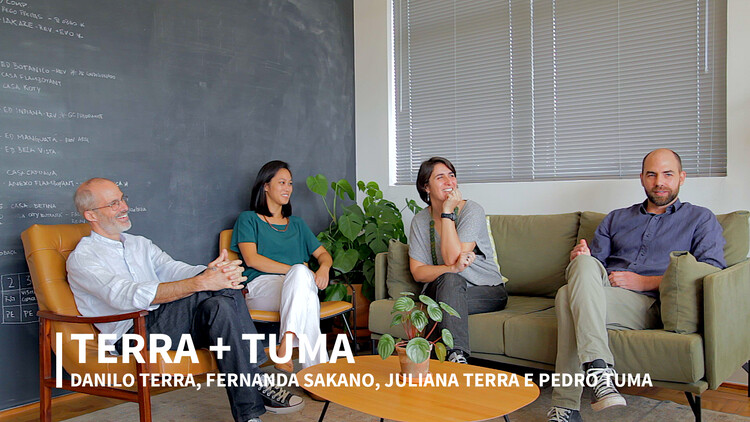
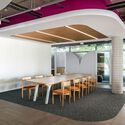
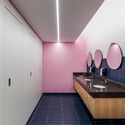
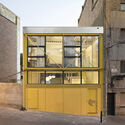
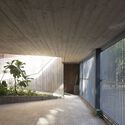
Juliana Terra, Fernanda Sakano, Danilo Terra, and Pedro Tuma are not typical Paulistano architects. At least, not to the extent that the recognition of the firm they lead—Terra e Tuma Arquitetos Associados—might suggest. Rejecting the figure of the genius and dispensing with that of the entrepreneur, the quartet runs the firm as craftspeople shaping the object. "We see ourselves as a craft-based practice," says Danilo, who explains the design process as a continuous remaking, free of hierarchy, involving four heads and eight hands.
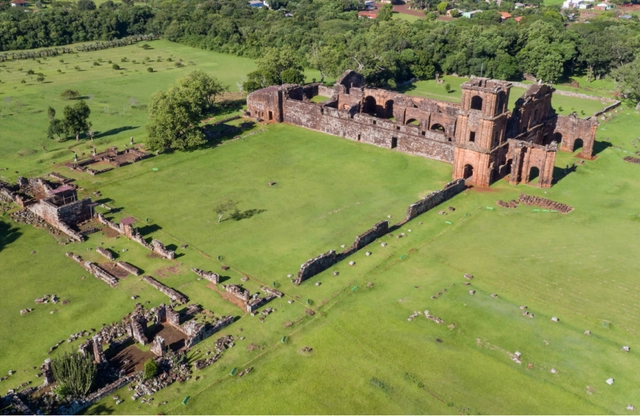
The public can now experience the virtual version of the traveling exhibition 7 Povos – Retratos de um Território. This is a restaging of the exhibition that has already taken place in person at three venues across the country: the Memorial do Rio Grande do Sul in Porto Alegre (RS); the Sítio Arqueológico de São Miguel Arcanjo in São Miguel das Missões (RS); and the Paço Imperial Cultural Heritage Center (CCPPI) in Rio de Janeiro (RJ). With the launch of the online version, the National Institute of Historic and Artistic Heritage (Iphan) aims to bring the exhibition to an even broader audience, both in Brazil and internationally.

With the rapid urbanization of our cities, animals that once called these environments home have been displaced, forced to seek refuge elsewhere.
Birds are perhaps among the species hardest hit by urban growth, as they are drawn during flight by stimuli like artificial light and wind currents—both of which can be radically altered by how a city is built and laid out.


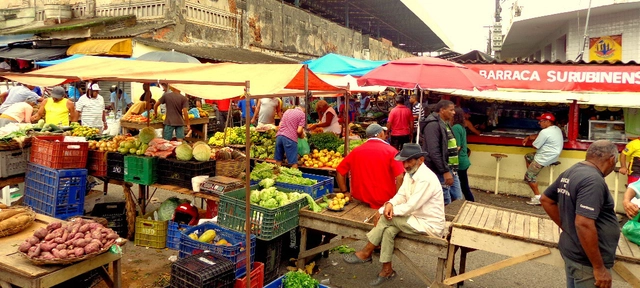
As part of the celebrations for its 158th anniversary, Campina Grande, Paraíba, has launched a national design competition for the revitalization of its Central Market. The competition is promoted by the City of Campina Grande and organized by the Institute of Architects of Brazil (IAB), with support from the Council of Architecture and Urbanism of Brazil (CAU/BR), the Council of Architecture and Urbanism of Paraíba (CAU/PB), the Institute of Architects of Brazil – Paraíba Department (IAB/PB), and the National Institute of Historic and Artistic Heritage (IPHAN).
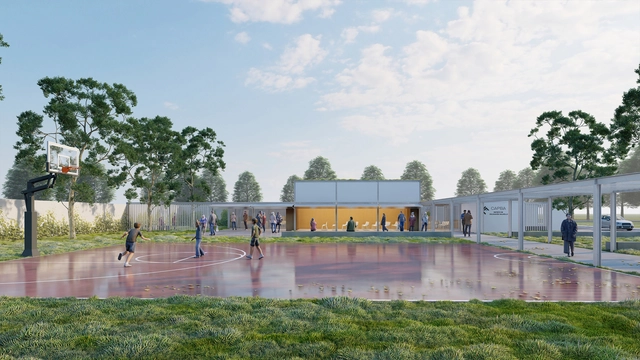
The Association of Architects of the Province of Buenos Aires District VIII launched a provincial preliminary design competition for the design of its headquarters in the town of Saladillo.
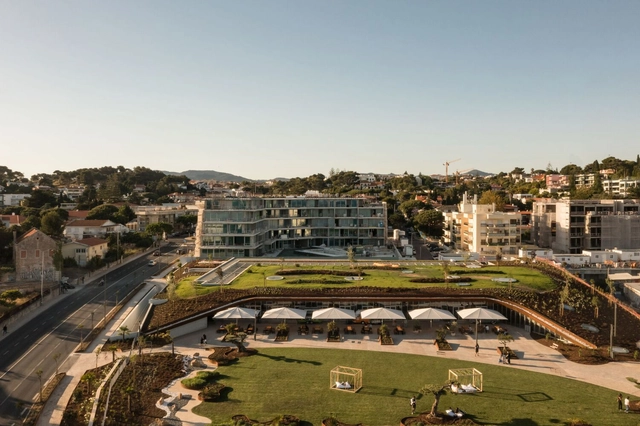
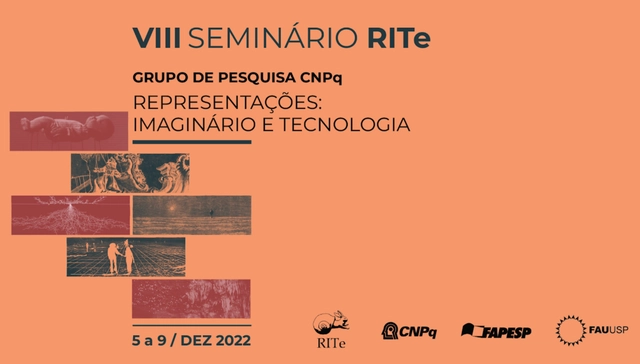
The VIII Seminar of the CNPq Research Group "Representations: Imaginary and Technology" will bring together researchers affiliated with the group to present ongoing and/or recently completed work, fostering debate on the epistemological and methodological aspects relevant to these investigations. Featuring short presentations in thematic panels, workshops, book launches, and immersions in RITe Study Groups, the seminar will take place primarily in person from December 5 to 9, 2022, at the Caetano Fraccaroli Sculpture and Form Research Atelier, located at USP - Cidade Universitária.
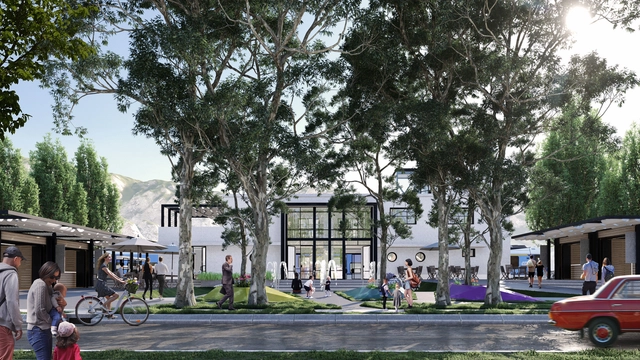
In 2020, Trenzando launched the “Ideas for the Rehabilitation of Railway Stations” competition, designed as an opportunity to showcase the richness of this heritage, which includes 170 stations connected to the country's railway network. The open call received around 100 proposals for the rehabilitation of the San Rosendo and Yumbel stations in the Biobío Region, Rungue in the Metropolitan Region, and Ocoa in the Valparaíso Region.
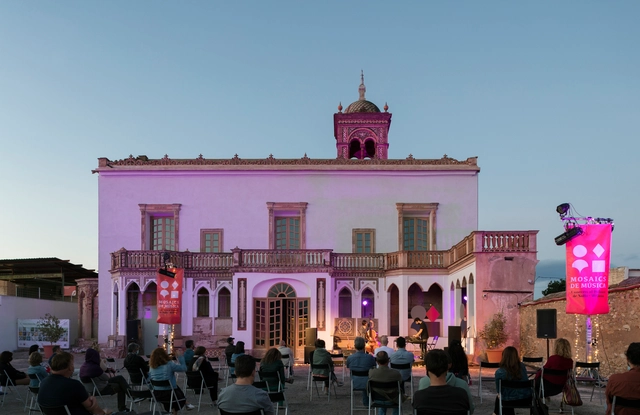
An emblematic building for Meliana and the entire region, the Palauet Nolla dates back to the 17th century and has long served as a symbol of the famous Nolla mosaic factory. Situated within the landscape of Valencia's northern agricultural region (the huerta norte), after decades of neglect, the building had fallen into ruins by 2010. Its conservation status was critical, marked by a lack of exterior woodwork, a compromised structure, collapsed roofs, and severe natural and human-caused damage to its ornamentation, among many other issues.
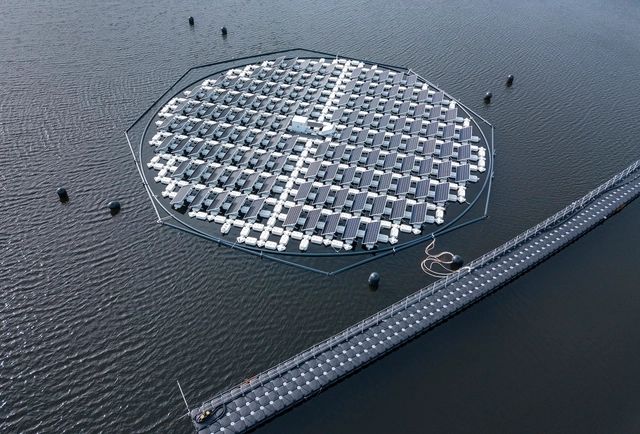
A floating solar farm capable of tracking the sun's rays is being tested in the Netherlands. The prototype, dubbed Proteus, was selected as a finalist for the European Inventor Award, which celebrates the best and most innovative inventions.
Although it was not chosen for the European award, the plant demonstrated its technological potential. Its panels rotate slowly on two axes, using mechanical, geospatial, and light sensors to precisely track the elevation of the sun's path as it moves from east to west. This increases the farm's energy production capacity, allowing it to generate around 73 kilowatts of power.
CAU Brasil has launched its campaign for the 2022 Architect and Urbanist Day. To mark the occasion, celebrated on December 15, a variety of content is being published featuring real-life stories of architects who have overcome various challenges in both their careers and personal lives. The goal is to promote professional appreciation by showing how architecture and urbanism improve people's quality of life.
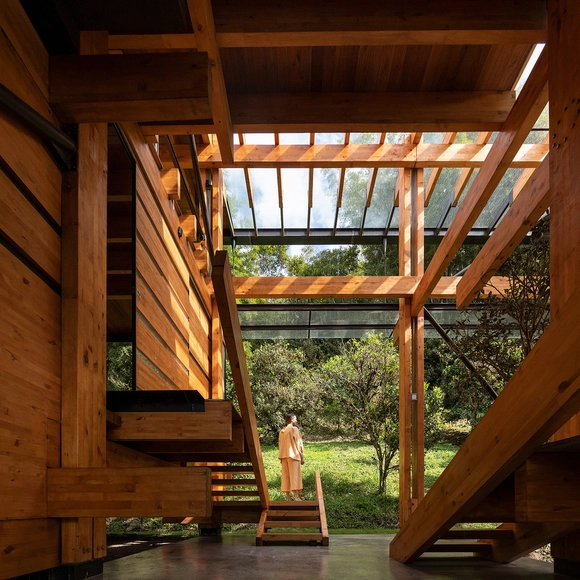
As another year comes to a close, the ArchDaily team looks back at the year's architectural highlights, compiling a selection of projects to review the content featured in 2022. As part of this retrospective, our curation team presents one of our readers' favorite categories—residential architecture—bringing together the projects that represent the very best of a vast year of architectural production, as chosen by our audience.
At a time marked by anticipation for the future of architecture, yet also by reflection on what has been accomplished over the past year, we present the 50 most-visited houses on ArchDaily in Spanish in 2022. In doing so, we continue our ongoing mission to provide tools, inspiration, and knowledge to everyone working toward a better built environment.

Faced with the challenge of the housing deficit—defined as the number of new homes needed to accommodate doubled-up families and replace uninhabitable dwellings—the construction industry must seek new design strategies to address this issue. How can we address the housing deficit through quality housing? Alongside constructing new homes, architecture must propose designs that ensure habitability, which largely depends on solutions that promote effective thermal conditioning.
Through its building materials, products, and systems, ETEX Chile develops thermal strategies focused on habitability and comfort, responding to the specific climatic conditions that characterize each region of the country.

Often viewed as antithetical to degrowth, renewable energy, and climate justice, geoengineering is understood as a temporary solution for atmospheric carbon removal. Yet, are there other possible futures beyond it? How can we conceive of a radical and transformative climate intervention project that is democratic, participatory, and decentralized? Both critical and speculative, this book explores potential futures after geoengineering—futures born from social transformation and justice to address the complexities of the current climate crisis.