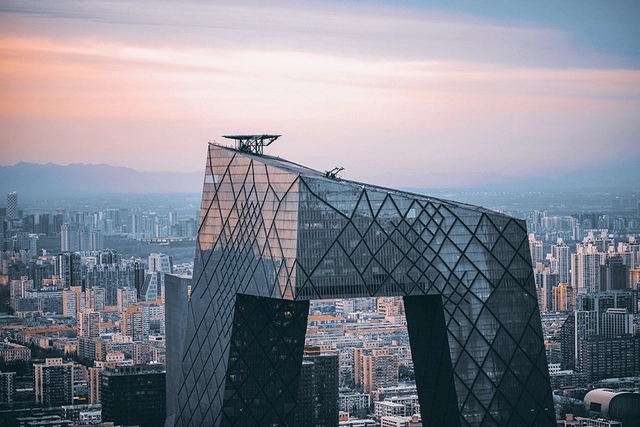
CCTV Headquarters in Beijing. Image courtesy of Caos Planejado
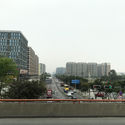
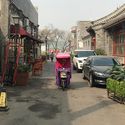
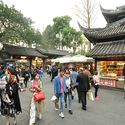
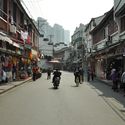
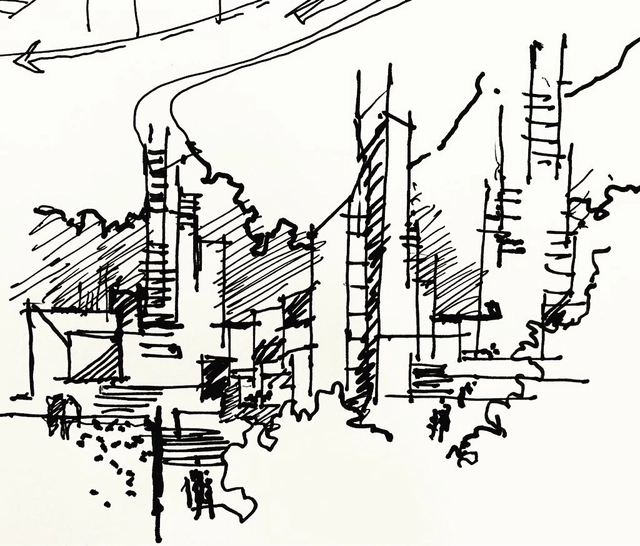
Hundreds of towers repeat across a hazy horizon. Traditional buildings crumble, while others have been rebuilt into tourist shops. Colorful Lamborghinis share sluggish traffic with old taxis, laborers' tricycles, and executives riding yellow bikes from Ofo, the world's largest dockless bike-sharing company. Some pedestrians wear masks to filter the polluted air, others carry shopping bags, others spit on the ground or walk the streets in pajamas. Street vendors are extremely rare, in contrast to the police and military personnel seen on almost every corner.
The city belongs to everyone; it is a reflection of who we are as a society. That is why we must care for it—because it is ours! We have a civic commitment. (Civic, from the Latin civis / City, citizen, from the Latin civitas)
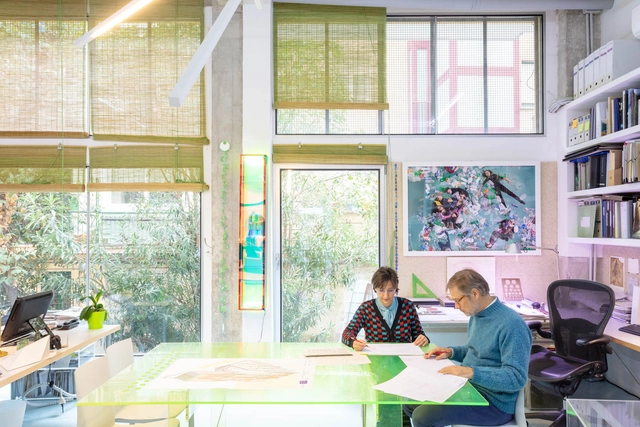
The sixth edition of the international architecture and city festival Open House Madrid was held from September 25 to 27, featuring a special edition organized to comply with necessary health measures and ensure the safety of all participants. The event offered visits to 27 renowned architecture studios across the city—some in virtual formats, others in person, and some in both.
https://www.archdaily.com/1124217/27-architecture-office-visits-at-open-house-madrid-2020ArchDaily Team
The winning and distinguished entries have been announced for the "Arquitectura Argentina Solidaria" (Solidarity Argentine Architecture) competition. Organized by the Central Architects' Society (SCA) and the Professional Council of Architecture and Urbanism (CPAU), this national call invited architects and collaborative teams from across the country to submit ideas, initiatives, proposals, projects, works, and research completed over the last ten years centered on solidarity and inclusion. Bringing together the collective knowledge and reflections of professionals nationwide, the primary goal of this call was to address the emerging needs of society's most vulnerable sectors, now further exacerbated by the pandemic.
When we were still nomads, we fought our first battles with sticks and stones. The reasons for aggression against members of our own species can vary, ranging from securing resources and territory to seeking revenge or even power. Battles between different tribes have accompanied human evolution on Earth. Ever since the creation of cities, warfare and the combat equipment of each era have been important factors to consider in the planning of urban centers.
https://www.archdaily.com/1124208/how-wars-shaped-our-citiesPaulo Sa Vale
July 20th marks the date when Colombia celebrates its independence from Spanish rule. Two centuries later, the very idea of independence remains debatable. Although the Colombian republic is constitutionally independent, colonial legacies continue to structurally dominate society today.
For the eleventh consecutive year, ArchDaily celebrated the best of Latin American architecture, presenting the Building of the Year award to architects Barclay & Crousse (Peru), Felipe Assadi (Chile), and Natura Futura + Frontera Sur Arquitectura (Ecuador). This year, the ceremony took place at the Pablo Neruda Lookout on San Cristóbal Hill, bringing together the architectural community and ArchDaily's main partners.
https://www.archdaily.com/1124207/the-2019-obra-del-ano-awards-were-presented-in-santiago-chilePola Mora
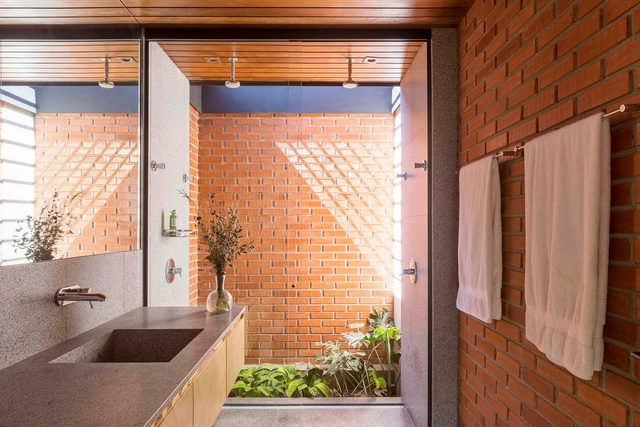
To ensure privacy, windows in bathrooms are typically characterized by their small size and high sills. Yet, natural light, alongside ventilation, plays a crucial role in the health and comfort of these spaces. As a result, seeking a greater incidence of daylight in these interiors expands the design possibilities for their openings.
Adamo Faidencontinues to capture widespread interest, not only for their multifaceted and passionate approaches to contemporary architecture, which consistently extend into the fields of teaching and research. Their building Bonpland 2169 in Argentina was selected by our jury of experts—meaning you, the readers—as one of the winners of the 2020 Building of the Year award.
On this occasion, we spoke with Marcelo Faiden for an in-depth conversation about the role of everyday buildings in transforming our environment, current shifts in how we live and inhabit, the purpose of practicing and teaching architecture today, and future projections for the discipline.
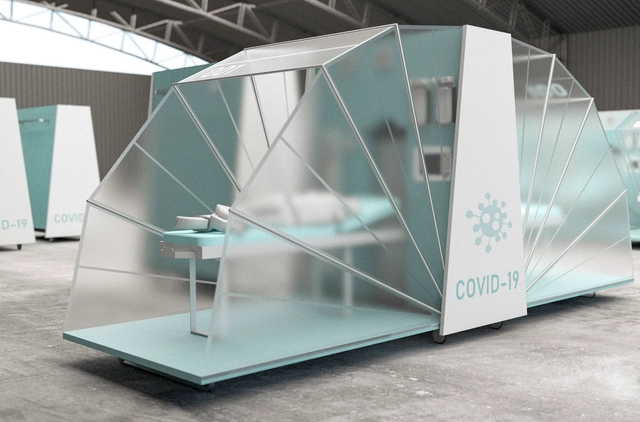
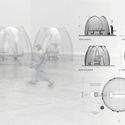
The Architects' Association of the Province of Córdoba has called on architects across the province to collectively contribute ideas to address the current challenges associated with the spread of COVID-19—primarily the lack of adequate healthcare space to treat patients as the disease spreads—seeking to create a space for collective development nourished by the discipline's expertise to offer a response to society through the field of architecture.
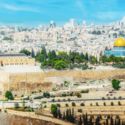
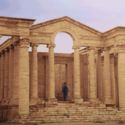
Despite UNESCO's recognition of specific World Heritage sites, many of them remain in constant danger of disappearing due to natural phenomena like earthquakes and human factors such as urbanization. By definition, these landmarks are vital to human history, possessing characteristics that reflect the deepest values of diverse civilizations. Nevertheless, much of the global population has never experienced them in person.
The Maya Train is the federal government's flagship project, formally announced in December 2018. It is planned as a regional train for locals, tourists, and cargo, intended to generate regional economic benefits through tourism. According to the official project brochure, it "is based on a sustainable development model that drives economic growth without depleting the environment" and "promotes a tourism scheme in which visitors travel through local communities, preventing tourist concentration in a single destination," thereby "distributing wealth throughout the peninsula."
During social lockdown, the CNM (National Commission of Monuments, Places, and Historical Assets of the Ministry of Culture), is offering a free online course to discover the great treasures of Argentine architectural heritage, spanning different eras, styles, and regions. Led by renowned experts in each field, the classes will cover a broad overview ranging from the Cueva de las Manos in Santa Cruz Province to modern buildings throughout the country.
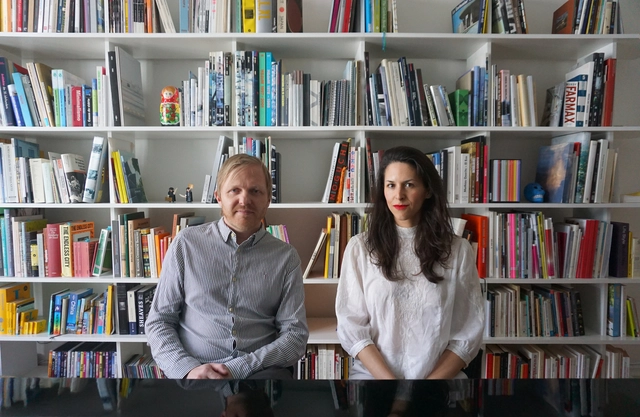
In this exclusive interview with ArchDaily, Ingrid Moye and Christoph Zeller, founders of the Mexico City- and Berlin-based firm Zeller & Moye, discuss the history of the practice, as well as how their personal and professional interests have evolved over the years regarding their way of living and making architecture.
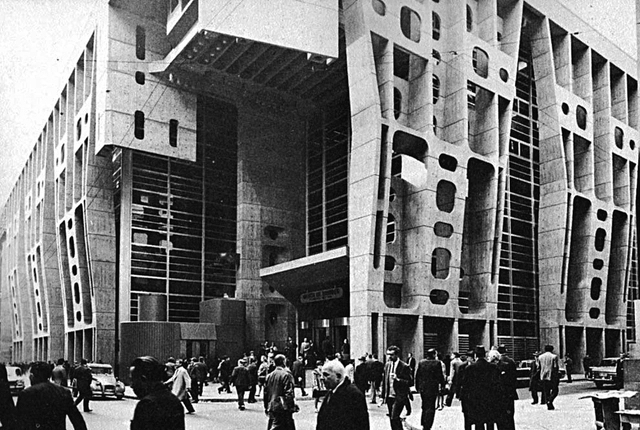
For more than 70 years, Guatemala's professional associations have sought to preserve a spirit of unity among their fields. In 1958, in an effort to enhance communication and interaction, a new headquarters was established to bring the different professional associations together in a single space for the first time. Later, the Assembly acquired its own land, and between 1971 and 1972, an architectural design competition was held, resulting in the design of the current complex. Today, Guatemala's professional population is growing steadily, and the complex designed nearly fifty years ago is no longer sufficient to house all the associations and their members. For instance, several organizations, such as the associations of engineers and psychologists, do not operate out of the main headquarters. Therefore, there is a clear need to expand the infrastructure of the professional headquarters to accommodate all current and future associations in a single complex, adequately meeting the needs of their members.
This medieval city in Croatia was one of the inventors of quarantine and emerged victorious from every major plague humanity has ever faced. Photo: Bigstock, courtesy of Haus
The medieval city of Dubrovnik, in Croatia, boasts many distinctions. Surrounded by ancient walls and a sea of azure waters that enchant visitors, during the Middle Ages it was the only city-state with enough prominence to rival Venice.
Another lesser-known aspect is that the Pearl of the Adriatic, as this Croatian city is known, was the first known European municipality to implement a smart quarantine and to build isolation spaces to combat the major diseases that plagued humanity. This is what archaeologist Ante Milošević and physician Ana Bakija-Konsuo assert in their book "Lazaretto in Dubrovnik: Beginning of Quarantine Regulation in Europe."
The following interview with Nikos Salingaros by Irina Bembel is an excerpt from the one originally published in Russian by Kapitel Magazine, St. Petersburg, Russia, on July 27, 2020.
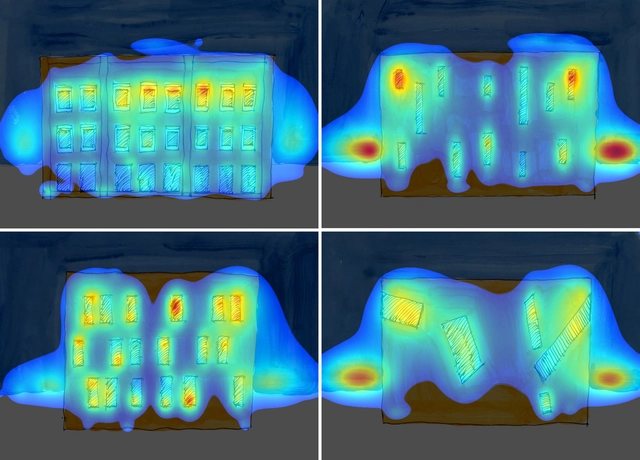
https://www.archdaily.com/1124172/nikos-salingaros-traditional-building-facades-attract-contemporary-ones-do-notIrina O. Bembel
While predicting and preventing damage and disasters are increasingly critical factors when designing our buildings, spaces, and cities, certain extraordinary events still escape our control. These situations demand immediate and urgent architectural responses capable of providing shelter and quality of life to communities affected by natural disasters and conflicts of all kinds—solutions that, in the most extreme cases, may be the only chance of survival for many.
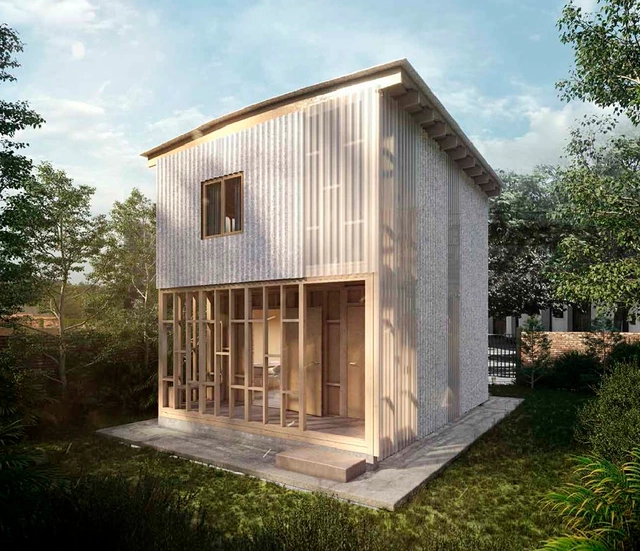
Natural disasters such as earthquakes, tsunamis, hurricanes, and floods, as well as armed conflicts, territorial disputes, or other global humanitarian crises—such as the COVID-19 pandemic—require an immediate response to control and prevent worsening consequences, helping to save lives. **Emergency architecture** can be defined as a constructive response to the most urgent human needs that arise during crises and exceptional situations. It materializes as responsive infrastructure aimed at providing immediate solutions, ranging from shelters for displaced people to healthcare and medical facilities in affected areas.
Hello, ArchDaily readers. Happy New Year as we enter a new decade. This year marks our 12th anniversary. Thank you for accompanying us throughout the 2010s and growing alongside us to contribute to the architectural community. At our founding, we pledged to “provide inspiration and knowledge to help architects build better cities.” In this new decade, we embrace an expanded mission: “to provide inspiration and tools to improve the quality of life for city dwellers.” Everyone is an independent creator, and we are here to serve each and every one of you.
https://www.archdaily.com/1124150/2020s-forging-ahead-archdailys-new-years-resolutions韩爽 - HAN Shuang
Climate change is arguably one of the greatest current threats to human survival, resulting from global warming driven by rising greenhouse gas (GHG) emissions, of which carbon dioxide (CO2) is the primary contributor. Globally, buildings accounted for approximately 40% of CO2 emissions in 2018, when factoring in direct, indirect, and embodied emissions (over the lifecycle of construction products) (UNEP, 2019). At the same time, because the building sector consumes—and will continue to consume—vast amounts of materials to address severe housing deficits, in many countries it is a pivotal sector, offering a prime opportunity to help combat climate change. To achieve this, a key pathway is promoting the use of biomaterials.
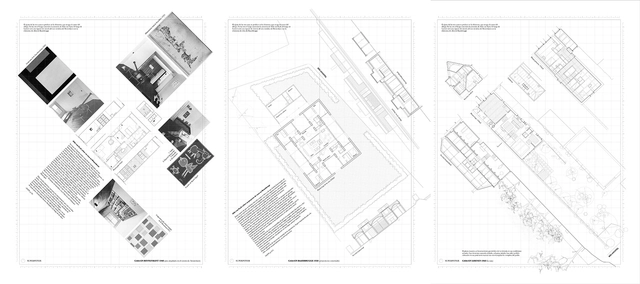
This article by Alejandro Campos Uribe was originally published in the 9th issue of rita_ magazine under the title "How to Draw the Architecture of Aldo van Eyck: Five Drawings of the Van Eyck Family House in Loenen."
ConArq is the first National Congress of Architecture organized by students in Argentina. It stems from the desire to discuss, listen to, and propose architecture across the country's different schools, aiming to strengthen student education and make significant contributions to the practice of the discipline, ultimately creating a space for debate.
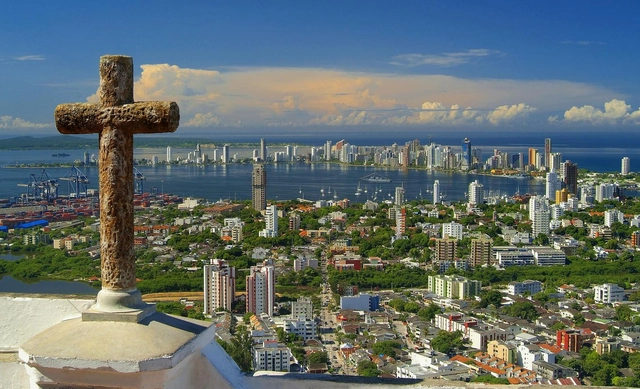
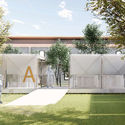
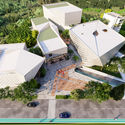
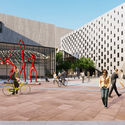
Architectural academia is becoming increasingly aware of the contemporary and territorial challenges facing local communities. Universidad del Norte presents this series of six thesis projects by its students, exploring the coastal region of northern Colombia through architectural recycling, regeneration, and urban renewal.











_11.44.10.jpg?1595954667&format=webp&width=640&height=580)

_11.44.10.jpg?1595954667)
.jpg?1595343069&format=webp&width=640&height=580)




.jpg?1578132620&format=webp&width=640&height=580)