Tsinghua-ECGB Asia Architecture Summit & Exhibition will be held December 12-13, 2013 at Tsinghua University in Beijing City. Jointly sponsored by School of Architecture, Tsinghua University, Tsinghua Holdings Human Settlements Construction (Group) Co., Ltd, Editorial Office of Eco-city and Green Building (ECGB) magazine, the Summit will bring together eight award winning Asian architects to share their design thinking and key projects on creative sustainability. Keynote speakers include Vo Trong Nghia, Principal Architect of Vo Trong Nghia Architects and Shigeru Ban, Founder of Shigeru Ban Architects.
The RIBA has announced that the Lubetkin Prize, awarded annually for the past thirteen years to the architects of the "best new building" outside the European Union, is to be replaced with the new "international prize" in 2015. As a result, there will be no RIBA International Awards or Lubetkin Prize awarded in 2014. According to the RIBA, "the Lubetkin Prize has been a useful platform to highlight the work of RIBA members around the world. We are currently working on creating a prize that has even greater international impact and look forward to announcing more details in the future." The Lubetkin Prize's last recipients were Wilkinson Eyre and Grant Associates for Cooled Conservatories, Gardens by the Bay in Singapore.
In a brilliant article for Der Spiegel, "The New Monuments to Digital Domination," writer Thomas Schulz not only rounds up our reigning tech giants' oddly-shaped offices - from Apple's "spaceship" to Amazon's "biodomes" - but also pinpoints what they have in common: horizontality. And why? Because an "open creative playground" without boundaries (like floors or walls) is "the perfect ideas factory: the ideal spatial environment for optimally productive digital workers who continuously churn out world-changing innovations." And while this means that privacy has gone out these workspaces' proverbial windows, Schulz isn't too surprised - after all, "people have no right to a private life in the digital age." Check out this must-read article here.
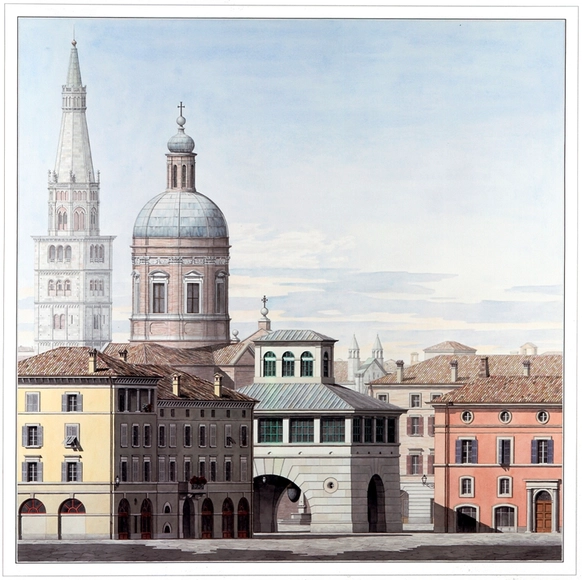
Piazza Matteotti (watercolor) / Pier Carlo Bontempi and Leon Krier
Italian architect Pier Carlo Bontempi has been selected as the 12th recipient of the Richard H. Driehaus Prize at the University of Notre Dame. Lauded for his “lifelong contribution to the human city and classical tradition,” Bontempi has dedicated much of his work in the “search for common ground between the classical and the modern; the two most powerful architectural ideas of our century,” as jury member Demetri Porphyrios described.
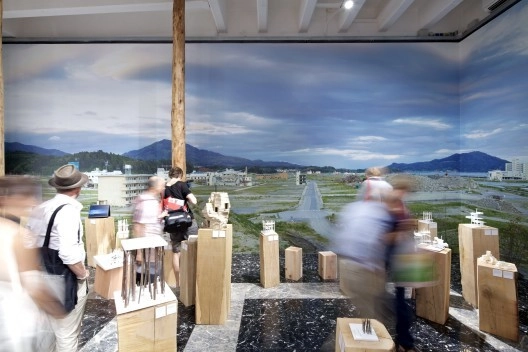
Still rebuilding after the catastrophic tsunami of 2011, Toyo Ito, Kazuyo Sejima, and other notable Japanese architects, have teamed up on the "Home for All" project to provide community-focused housing to disaster-stricken communities. While the architect-driven initiative seems to be a success, Edwin Heathcote of the Financial Times asks in this exquisitely well-written article: are a set of "starchitects" the right team for the job? (Spoiler: Yes)
https://www.archdaily.com/453967/reconstructing-space-reconstructing-community-in-japanKatherine Allen
DOCOMOMO US invites submissions for the first annual Modernism in America Awards. The awards celebrate the documentation, preservation and re-use of modern buildings, structures and landscapes built in the United States or on U.S. territory. The Awards recognize those building owners, design teams, advocacy and preservation organizations that have made significant efforts to retain, restore and advocate for the aesthetic and cultural value of such places.
This competition is a call for methods and forms that inspire hope and dreams through new technology, creative logic, and aesthetic intuition. Its purpose is to encourage the development of new design methods for better architecture and better cities (and, broadly, better design in general), and to recognize groups and individuals who have taken up this challenge.
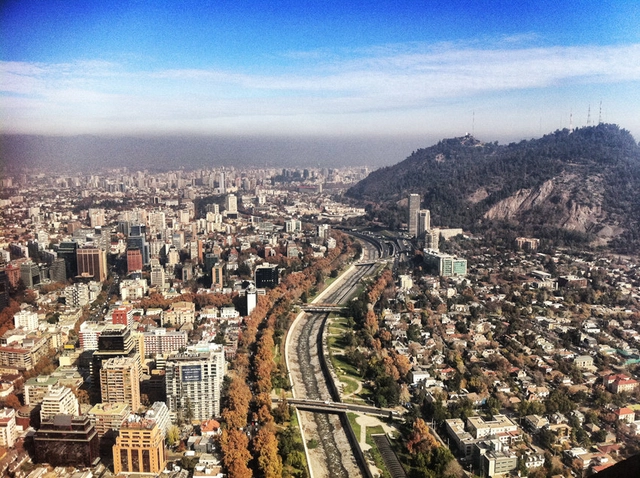
Santiago, Chile took the top spot on the list. Image via Plataforma Urbana
In this article for Fast Company, Boyd Cohen counts down the top 8 smart cities in Latin America. Using publicly available data and his own comprehensive framework to evaluate how smart a city is, he has generated a list which even he admits features a couple of surprises in the top spots. To see the list and discover what each city has achieved to deserve its ranking, you can read the full article here.
DawnTown, a non-profit organization dedicated to promoting architecture in Miami, is announcing an open call for portfolios to their new competition: DAWNTOWN DESIGN/BUILD 2.
The Institute without Boundaries (IwB) is seeking curriculum partners for Connecting Divided Places, a project that investigates social, economic, environmental, and cultural divisions in cities. They are calling out to municipalities, not-for-profit organizations, and companies interested in working with them to address the wicked problems dividing their cities and regions. They are looking for organizations interested in collaborating on design solutions that make for more balanced, healthier, and resilient city-regions of the future. They want to know what challenges your city is facing.
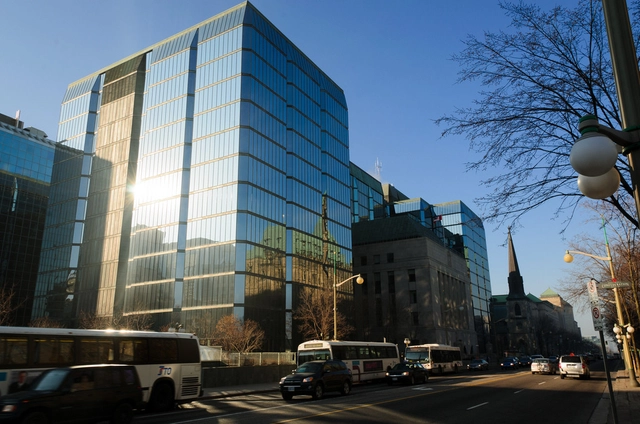
In this interesting report in the Ottawa Citizen, Maria Cook exposes the plan to renovate the Arthur Erickson-designed Bank of Canada Building in Ottawa. The existing building, which features a public atrium complete with a tropical garden, is being extensively remodeled to improve security and building performance, although arguably at great cost to the design. Cook exposes how the bank turned down a prestigious design award in 2011 as it was already at that point privately considering the changes, and explains how its privileged position - related to the government but not controlled by it - effectively means that the bank has nobody it has to answer to who might stop these plans. You can read the full article here.
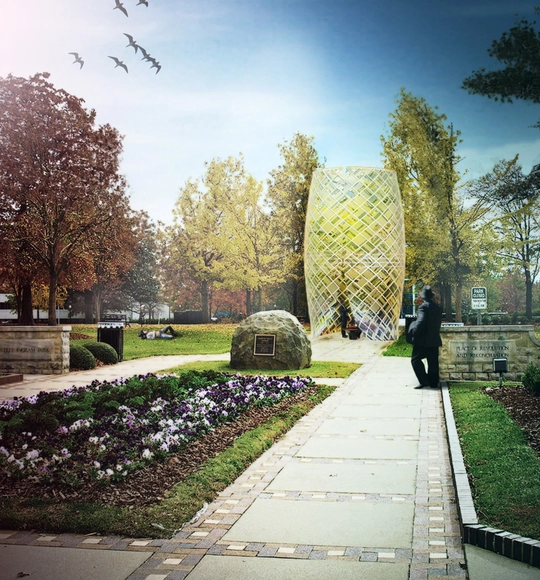
In honor of Alabama’s 50th Anniversary of the Birmingham Civil Rights Campaign, a national design competition was launched to envision a “Monument to Foot Soldiers.” New York City-based Jaklitsch / Gardner Architects was one of many entrants who responded, hoping to design a monument that would honor the sacrifices made by the unnamed activists who fought for civil rights and celebrate the power of the human spirit.
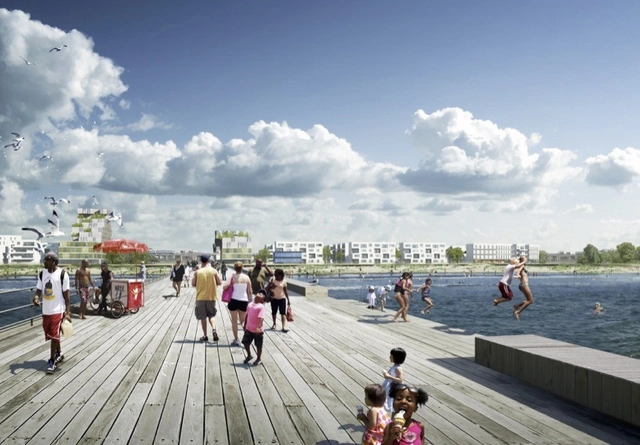
White Arkitekter’s winning proposal for New York’s “Resilient Rockaway” competition.
The Rockefeller Foundation has named the first group of cities selected in the “100 Resilient Cities Centennial Challenge.” Each city has been chosen for demonstrating “a commitment to building their own capacities to prepare for, withstand, and bounce back rapidly from shocks and stresses.” More than 1,000 registrations and nearly 400 formal applications from cities around the world were submitted. After careful review of each city's challenges, these 33 where chosen:
The American Institute of Architects New York State (AIANYS) has announced a new competition celebrating design and professional excellence in publicly funded buildings in New York State. The Excelsior Awards will provide a model for future state-funded building design and professional practice and advocacy.
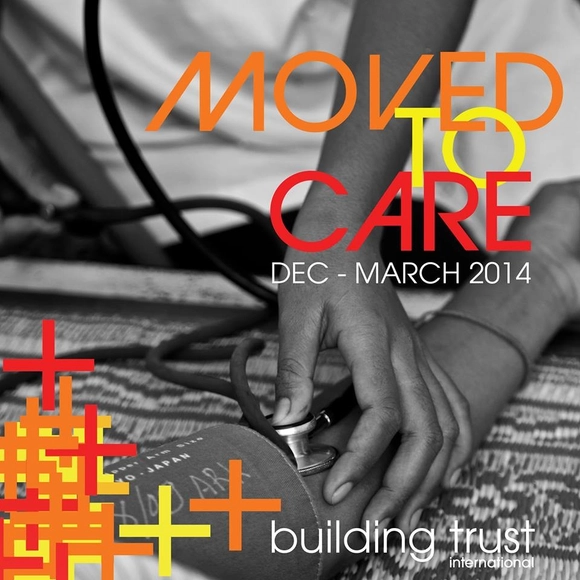
Building Trust International is very pleased to announce their 5th Design Competition. The challenge is to design a health facility that can easily be relocated. This could be in response to a natural disaster, or to inoculate and educate in areas with specific medical emergencies or outbreaks, it will also help aid agencies that don't have the funds or means to purchase land, offering short term leasing opportunities.
Detroit's I-375. Via Flickr CC User. Used under Creative Commons
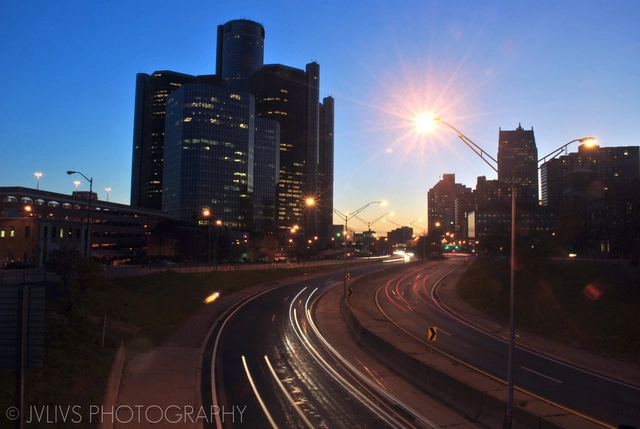
According to John Gallagher of the Detroit Free Press, Detroit may soon be removing one of its downtown freeways, the I-375, and converting the trench-like road into a more pedestrian friendly surface level street. The change could be a boon to residents of nearby areas such as Lafayette Park and Eastern Market, which were cut off when the road was built in 1964, and follows a wider trend of cities removing freeways in order to regenerate downtown areas. The city government is currently working with major stakeholders to investigate the potential effects of the change, with a proposal due for summer 2014. You can read the full article here.