With the current economic volatility and a looming recession, this conference brings together the brightest business minds in our profession to provide you with insights, guidance and tactics to not only survive the next few months, but thrive. AIA Houston invites you to participate in an exciting two days of virtual learning. The conference will educate and inform architects on tools and strategies to navigate the current global crisis and anticipate the new normal beyond.
Herewearch is an independent student platform that is shaped by theme of design students sharing. We believe that design is powered by sharing by its nature. We want to take this sharing level one step further and we are pleased to announce that we decided to create an annual publication. This publication will find itself a separate place on our platform and each of our journals will be turned into an online magazine and shared on different platforms. Also, we would like to indicate that we will make our first journal ( co -times) into a digital exhibition.
Projects should be delivered using ARCHICAD, the industry first BIM software for architects developed by GRAPHISOFT, and its supported 3rd party applications.
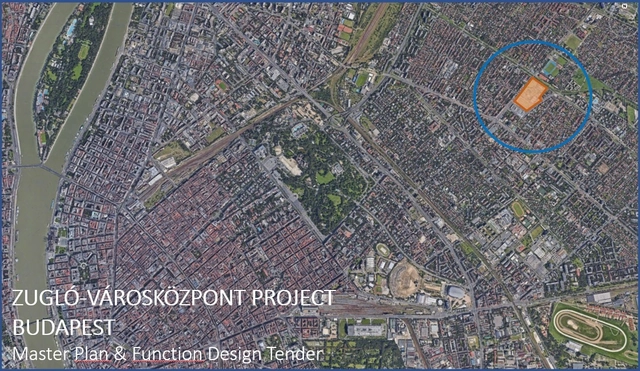
Here You are kindly invited to participate in a competition to provide the Architectural Concept and all associated services described herein as the Concept Designer for Zugló-Városközpont in Budapest, Hungary.
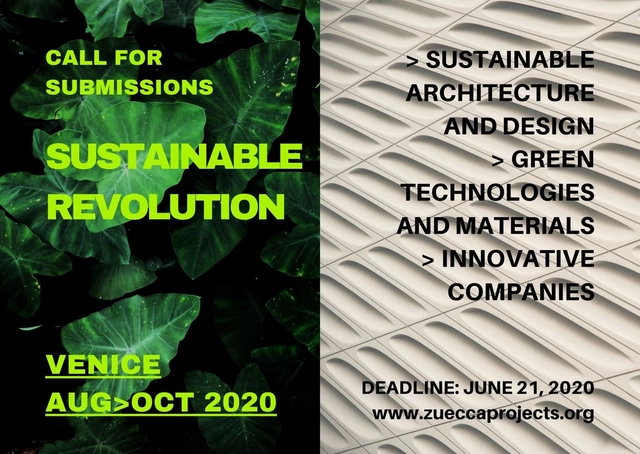
As a reaction to the unprecedented moment that we are all experiencing, Zuecca Projects has decided to launch its first-ever Open Call, on the theme of Sustainable Architecture and Design.
When we came together in February to celebrate the launch of Gathering, we considered transformational retail experiences rooted in brand values; the desire to physically experience a brand – both by drawing energy and inspiration from being in a store to the tactility of the product; and the role retail environments play as a third space in our larger communities. Repeatedly we heard the refrain; “bad retail is dying.” We discussed how retail brands have adapted to embody their values, designed for experiences, and built authentic connections with their consumer base. In today’s context we’re considering the future of that experience in the shadow of the COVID-19 pandemic.
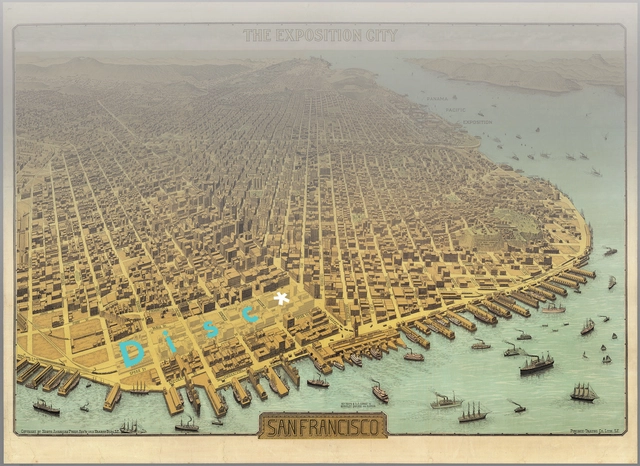
Disc*2020 (Design & Innovation for Sustainable Cities) is a five week summer program for currently enrolled college students that explores an interdisciplinary and multi-scalar approach to design and analysis in the urban environment.
UC Berkeley's College of Environmental Design is now accepting applications for the 2020 Summer [IN]SITU: A Virtual Summer Institute in Environmental Design.
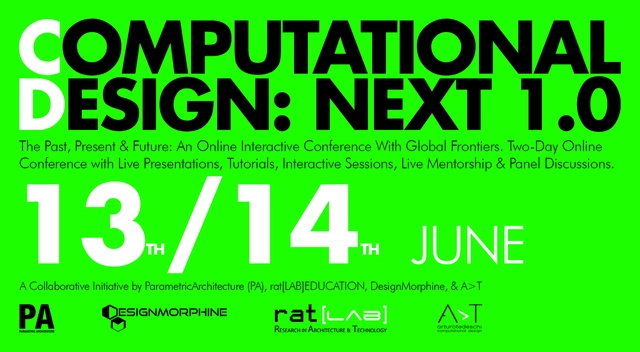
Computational Design: NEXT is a collaborative initiative by some of the global frontiers of Computational Design to open up an Online Learning platform as a comprehensive ONLINE CONFERENCE comprising of discussions, dialogues, tutorials and mentorship to a global audience through thought-provoking and meaningful dialogues curated by Parametric Architecture (PA), one of the leading media platforms focussing on Computational Design and its various subsets.
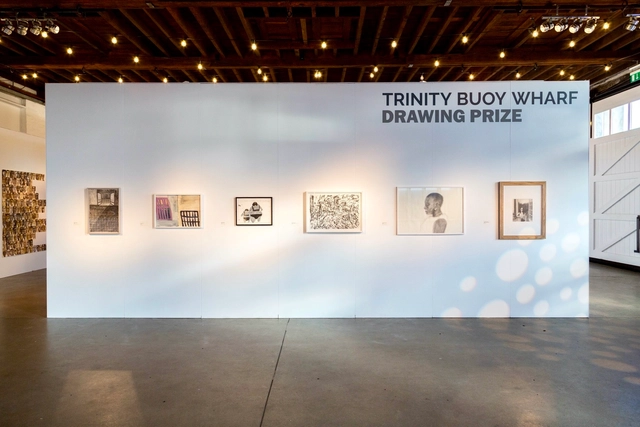
The Trinity Buoy Wharf Drawing Prize is now launching a milestone edition. 2020 will be the 3rd year of support for the Trinity Buoy Wharf Drawing Prize by the Trinity Buoy Wharf Trust and the 25th consecutive annual exhibition since 1994.
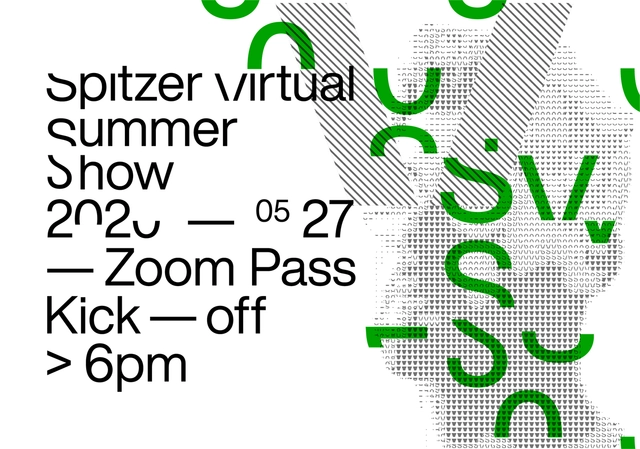
The Bernard & Anne Spitzer School of Architecture at CCNY is hosting a virtual summer show on 27th May at 6pm to celebrate the work of students and faculty during this past academic year. Hosted by the Summer Show Team, the hour-long event will feature video footage; the launch of the school’s new publication, Antidotes, a joint student-staff-faculty initiative; prizes and retirement speeches, as well as a tribute to Michael Sorkin, who tragically passed away in March. The Zoom event can host up to 1,000 people so please join us as we honor this year’s work, reflect on the challenges posed by this unprecedented pandemic and look to the future with a bold vision of curricular and pedagogic change.
The COVID-19 pandemic has presented the world with unprecedented challenges and is impacting our daily lives by restricting our personal movements radically. It almost goes without saying that this month has continued to see extraordinary, rapid and previously unthinkable changes to public and private spaces. As the virus continues to spread, countries around the globe have ordered citizens to retreat to their homes – and stay there. Social distancing measures drastically scaled down our personal range of movement to our ‘own four walls’.
Hernán Díaz Alonso, one of today’s most influential and innovative architects, heads a multidisciplinary design practice, based in Los Angeles, called HDA-X (formerly Xefirotarch). Praised for its work at the intersection of design, animation, interactive environments, and radical architectural explorations, HDA- X combines these disciplines to create plans for sculptures, architectural ventures, and various objects. Featuring plans for the Helsinki Central Library, a Budapest Museum, and major architectural projects in Barcelona, this book is a spectacular survey of Díaz Alonso’s cutting-edge designs.
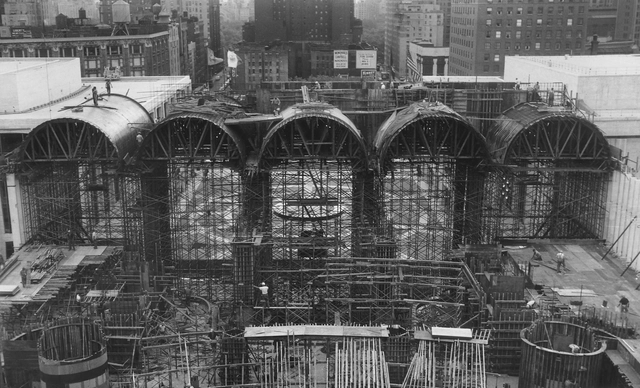
The new Met under construction in May 1964 (Photo: Metropolitan Opera Archives)
The Metropolitan Opera offers a free stream each night on the Met website for a period of 23 hours, from 7:30 p.m. EDT until 6:30 p.m. EDT the following day.
Brian May's micro concerts, goats on the streets, pizza delivery with toilet paper, Two men jam on a balcony. Above left: Brian May's micro concerts on his Instagram page. Above right: Great Orme Kashmiri goats on the streets of Llandudno, Wales. Below left: Pizza delivery with toilet paper, Rotterdam, Netherlands. Below right: Two men jam out on the guitar and flute on a balcony in Turin, Italy
When in 2009 Jacob Ross Boswell, in his article "Dystopic Verdure" in MONU #11 on "Clean Urbanism", introduced the topic of diseases, such as malaria, cholera, tuberculosis, yellow fever, and typhus etc, and how they had impacted urban landscapes and the shape of cities in the past, we were very intrigued and considered dedicating an entire issue on this topic. Particularly fascinating were his elaborations on how, by the second half of the 19th Century, urban designers and landscape architects such as Daniel Burnham, Frederick Law Olmsted, and a host of other architects, planners, and landscape architects collaborated with medical colleagues like Chicago's John Rauch in reshaping American cities: broadening streets and boulevards to allow for more sanitary air flow, moving pestilential cemeteries and dumps to the fringes of the city, carving out, reclaiming, or simply seizing land for America's first great urban parks, such as New York's Central Park. However, in the end we abandoned the idea to create an entire MONU issue on the relation between diseases and cities, since it seemed to us as something that belonged to the past only.


![Call for Submissions // 2020 Summer [IN]SITU: A Virtual Summer Institute in Environmental Design - Featured Image](https://snoopy.archdaily.com/images/archdaily/media/images/5eb3/dae9/b357/65f8/f900/057b/slideshow/open-uri20200507-18601-1e4mmr.jpg?1588845266&format=webp&width=640&height=580)