

-
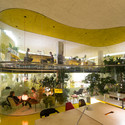
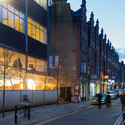
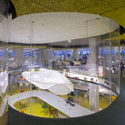
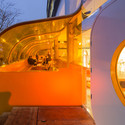
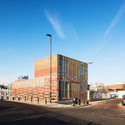
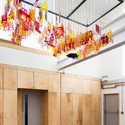
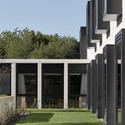
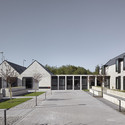
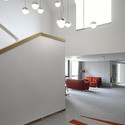
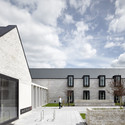
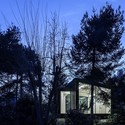
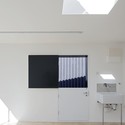
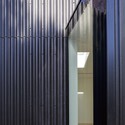
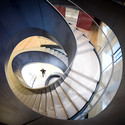
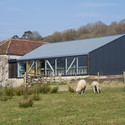
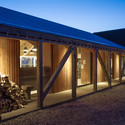
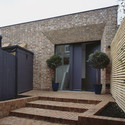
Architects: Piercy&Company
- Area: 3960 ft²
- Year: 2014

This conference will examine the unique challenges facing architects and designers when creating environments and technology for people with autism.
Key speakers will outline recommendations and concepts that show good practice in the design of buildings and technology. They will also give insights into understanding sensory issues for people with autism and how to take these into account when designing environments.
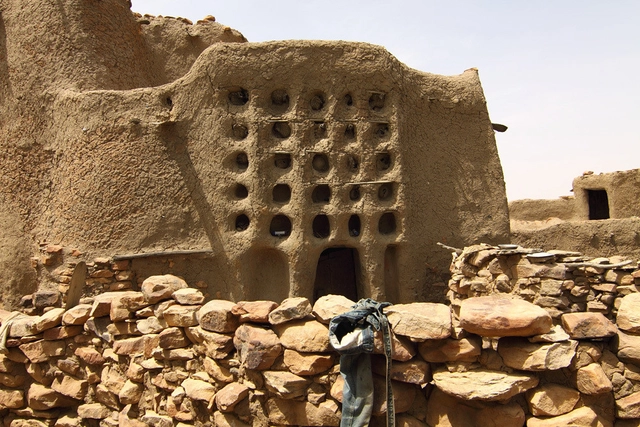
Eighteen years after its original publication, Paul Oliver’s Encyclopedia of Vernacular Architecture of the World will be updated, revised, and expanded to include over 30% of new material. With around 3,000 entries, the new version of the encyclopedia is set to be published in 2018, and will reflect the considerable growth and changes in the architectural field.
In order to complete the second edition, Oxford Brookes University is asking for submissions for both the already existing sections, as well as for new sections on Consumption and Sustainable Development.

Concrete polarizes opinion. Used almost universally in modern construction today, it is a material capable of provoking intense loathing as well as stirring passions. Its development can be traced as far back as Roman times. However, it was in the twentieth century that its full capabilities became realised. Over the past 100 years architects and engineers have seized upon the possibilities of concrete enthusiastically. Its widespread use in almost all building types we experience has given it a significance and meaning that has - for better or worse - leapt beyond buildings into politics, film, literature and art.


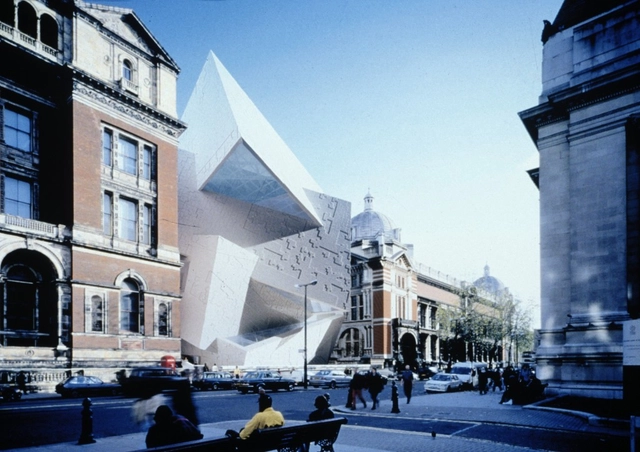
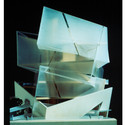
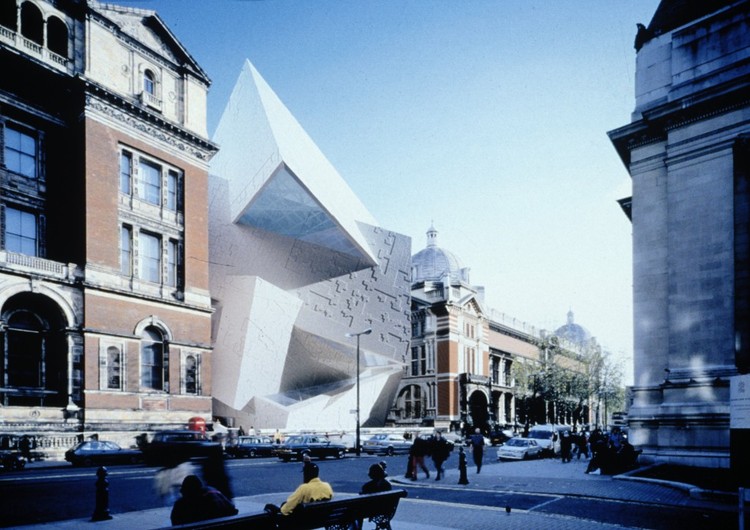
The violent insertion of Daniel Libeskind’s Spiral into the Victorian neighborhood of South Kensington renders a cataclysmic disruption into a landscape of order and propriety. It envisions a rupture in the fabric of space and time, aggressively anachronistic from the building it adjoins, unapologetically appealing not to cultured humanism but to the mathematical logic of complexity and chaos. What is now textbook "Libeskind" was in 1996 a shocking non-starter for the London establishment, an unacceptable risk for a city perpetually torn between its agitated cosmopolitan energies and its quintessential impulse toward nostalgia and restraint. Nearly twenty years after the Spiral was selected as the winner of a distinguished international competition, this controversial extension proposal for the Victoria and Albert Museum remains unbuilt.


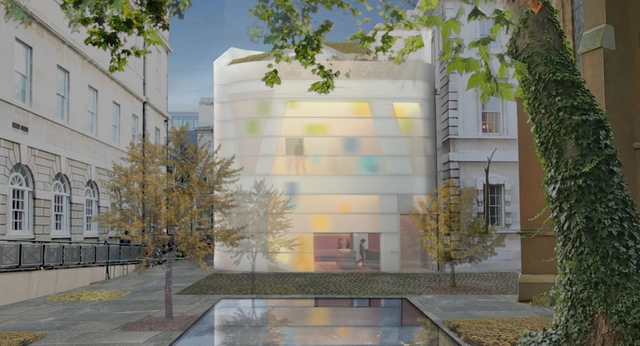
Steven Holl Architects (SHA) has broken ground on London's newest Maggie's Centre across from the large courtyard of St. Bartholomew’s (Barts) Hospital, the city's oldest hospital. The structure, a branching concrete frame lined with perforated bamboo and matte white glass, was inspired by its historic site, which also neighbors the St. Bartholomew the Great Church. It was envisioned as a "vessel within a vessel within a vessel" embellished with colored glass fragments that recall "neume notation" of Medieval music in the 13th century.
"The word neume originates from the Greek pnevma, which means 'vital force.' It suggests a 'breath of life' that fills oneself with inspiration like a stream of air, the blowing of the wind. The outer glass layer is organized in horizontal bands like a musical staff while the concrete structure branches like the hand," describes SHA.
A video of Steven Holl detailing the center's design, after the break.