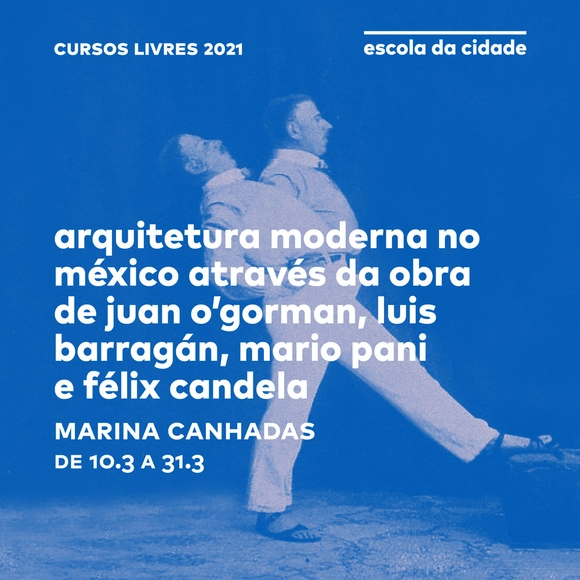
Modern architecture in Mexico can be understood through its diverse facets. This course aims to study and discuss, through theoretical and expository lectures, the work of four major architects of this period in Mexico: Juan O'Gorman (1905–1982), Luis Barragán (1902–1988), Mario Pani (1911–1993), and Félix Candela (1910–1997). The sessions will address the historical, political, and cultural contexts of Mexico during this era, while also drawing parallels with the work of Le Corbusier and other artists such as José Clemente Orozco, Mathias Goeritz, and Jesús “Chucho” Reyes. In this way, the course seeks to understand not only the discourse and practice of these architects but also the very construction of Modern Architecture in Mexico.
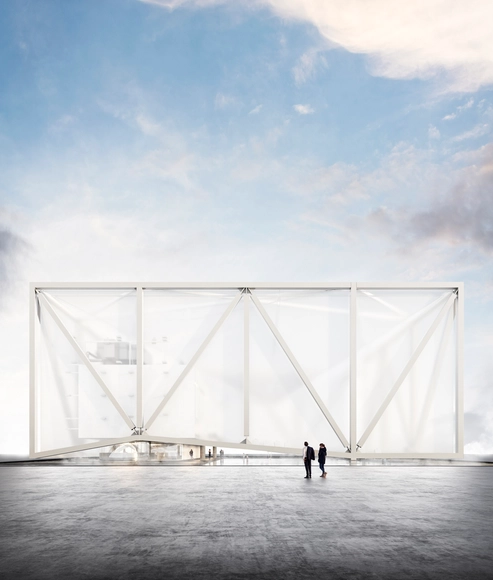
Superbacana+ invites architect José Paulo Gouvêa and engineer Miguel Maratá, members of the winning team for the Brazilian Pavilion competition at Expo Dubai, to discuss the challenges of this innovative structure, which will represent the country at the upcoming world expo. The conversation will be moderated by our partner, architect and photographer André Scarpa.
3D rendering of the artwork “O Sonho é Eterno” (The Dream is Eternal) by Verena Smit at Vale do Anhangabaú
The "Cidade do Futuro" (City of the Future) exhibition presents three poetic light-art installations from December 10 to 19. Created by artists Felipe Morozini, Verena Smit, and Marco Loschiavo, the works will occupy the Vale do Anhangabaú in São Paulo and are free to the public.
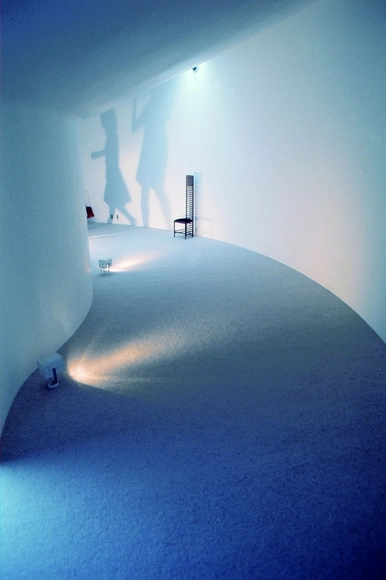
Form and void are inseparable concepts in Japanese culture. This course proposes an analysis of selected architectural works, supported by the aesthetic notion of Ma, to explore different conceptions of space-time in Japan. The course aims to present the conceptual, spatial, and material aspects of these projects to foster an understanding of the potential relationships between form and void, as well as to approach the void as a form of potential rather than an absence. The course is intended for anyone interested in architecture and Japan in general.
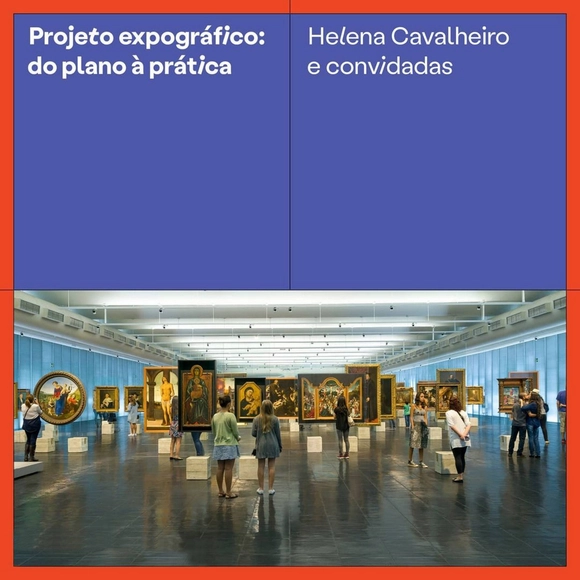
Reissue of Lina Bo Bardi's glass easels at MASP, a project by Helena Cavalheiro in association with Metro Arquitetos. Photo: Eduardo Ortega
What are the conceptual and technical issues that shape an exhibition design project? Who are the agents involved in the process? What are the most commonly used tools and work stages? Although rooted in the realm of architecture, the task of translating an artistic narrative into space has its own particularities.
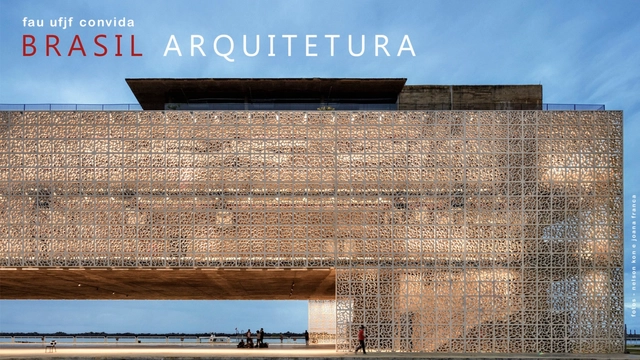
Image produced by the doCACAU organization. It features a photograph of the Cais do Sertão Museum in Recife, along with event information.
Promoted by the Academic Center of the Architecture and Urbanism program at UFJF (CACAU UFJF), the doCACAU audiovisual program aims to democratize architectural education for the community, integrating cultural and social knowledge as a means of extending learning beyond the university walls. The program includes internal initiatives focused on audiovisual production and architectural dialogues, which are also published on the Academic Center's media channels.
The Continuing Education Program of the Rio de Janeiro Department of the Institute of Architects of Brazil was created to share diverse knowledge and perspectives on the contemporary city—essential raw material for building cities that are more inclusive, accessible, socially just, and economically vibrant and sustainable.
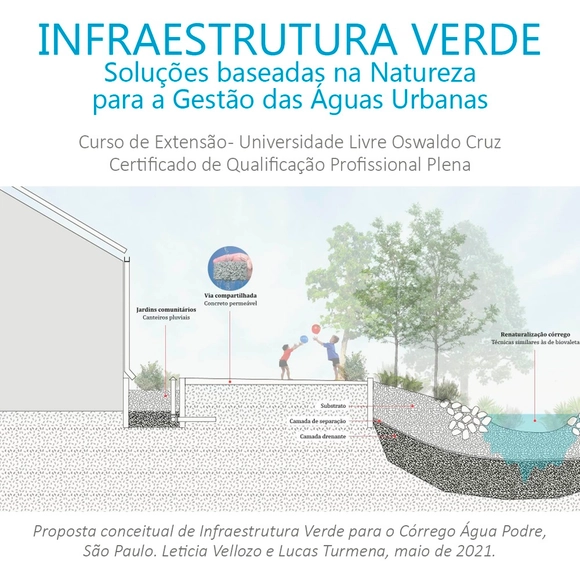
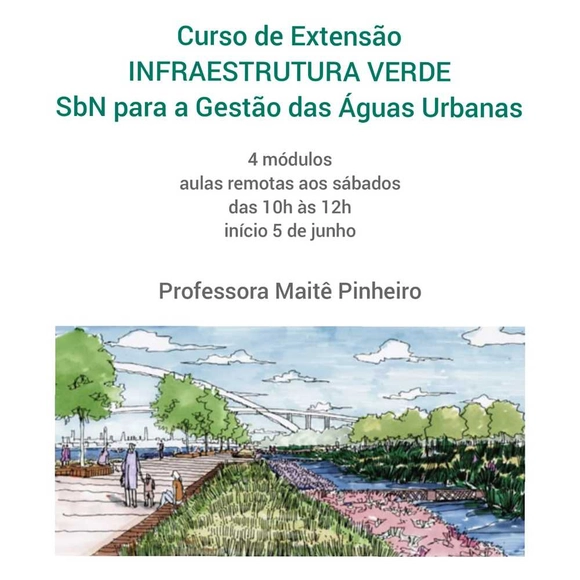
Green Infrastructure is a landscape planning and design method based on creating a network of blue-green landscapes (vegetation and water systems) that perform infrastructural functions while providing ecosystem services to cities. In green infrastructure, design is conceived based on the biogeophysical potential and limitations of the landscape, and water management is carried out through Nature-Based Solutions (NbS) such as rain gardens, bioswales, vegetated infiltration basins, and wetlands, which adapt existing infrastructure to the hydrological cycle and other ecological processes.
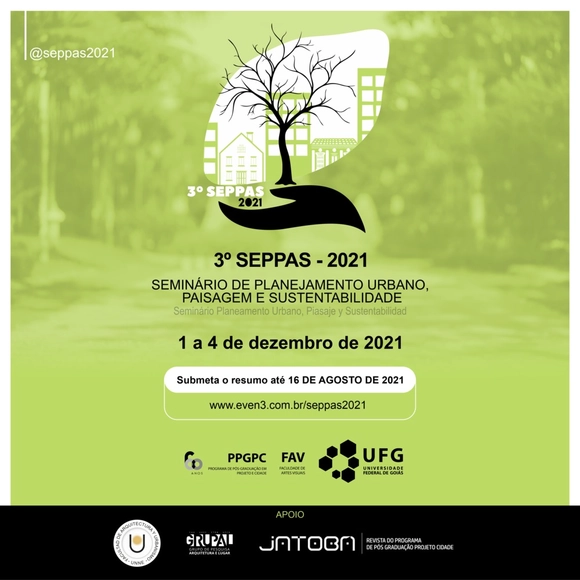
SEPPAS 2021 Event, submit your paper by August 16th.
Now in its third edition, SEPPAS will take place from December 1 to 4, 2021. The event will be held entirely online, featuring lectures and debates with professors, researchers, academics, renowned professionals, and members of the public across various fields of expertise. The event is organized by the Graduate Program in Project and City at the Faculty of Visual Arts of the Federal University of Goiás, with support from the Universidad Nacional del Nordeste (Argentina), the Grupal.UFCG research group, and Revista Jatobá.
The postgraduate program in "Parametric Design in Architecture" aims to foster the development of technical skills and cognitive strategies, enabling students to create design methods using programming languages. Through a practical and theoretical approach, the program seeks to equip students with the skills necessary to apply knowledge and techniques of parametric modeling, focusing on material behavior simulation, form-finding processes, and form generation and optimization.
The Brazilian Symposium on Design Quality in the Built Environment, promoted by the Working Group of the National Association of Technology in the Built Environment, has sought since its first edition to discuss possibilities and solutions for analyzing key issues related to design, featuring research that explores the widest possible range of reflections and alternatives regarding quality in the built environment.
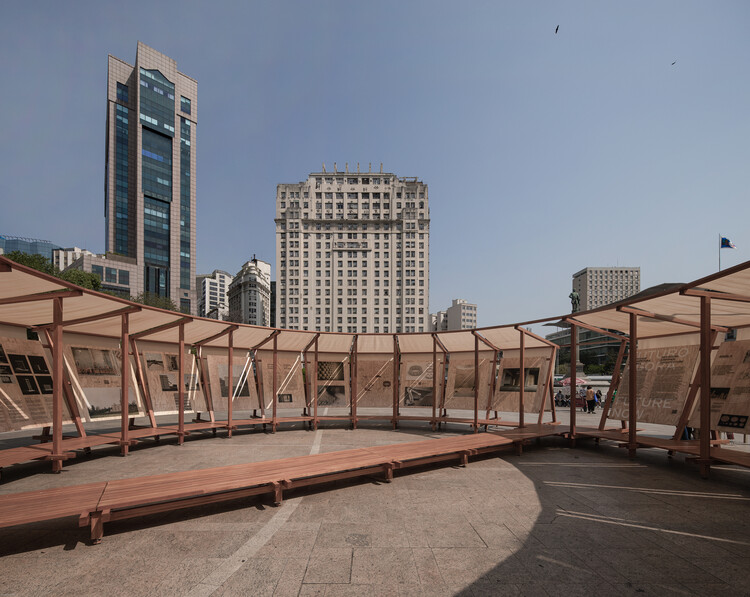
A sustainable, reforested timber pavilion featuring 24 photographic and typographic panels will be installed in the heart of Praça Mauá from September 8 to October 17. The exhibition, Future Now – Revisiting Earth Architecture, offers new perspectives on the challenges of contemporary architecture and addresses urgent global issues. The showcase provides an architectural experience that bridges the latest in high-tech innovation with one of the oldest building materials—earth (such as clay and mud)—and its contemporary applications.
Portobello is launching the second edition of Mostra Unlimited on March 23, concurrently with Expo Revestir. The exhibition features spaces designed by prominent figures in architecture and design across Brazil. This year, the installations will be hosted in 10 Portobello Shop locations in Rio de Janeiro, Belo Horizonte, Porto Alegre, São Paulo, Tijucas, Brasília, Ribeirão Preto, Maceió, and Recife. The 2021 Unlimited Experience collection, particularly the Portobello Lastras, serves as the exhibition's centerpiece.