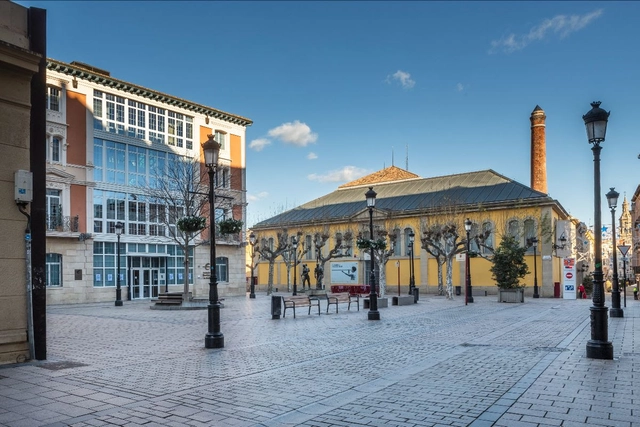
An urban space quipped to handle residents and strangers alike and to make safety an asset in itself. A thriving city neighborhood must have three main qualities: First, there must be a clear boundary between what is public space and what is private space. Public and private spaces can not ooze into each other as they do typically in suburban settings or projects. Second, there must be eyes upon the street, eyes belonging to those we might call the natural proprietors of the road. The buildings on an urban street should be equipped to handle strangers and ensure the safety of both residents and strangers. They must be oriented to the street. They cannot turn their backs or blank sides on it and leave it blind. Third, public spaces must have users on them reasonably continuously, both to add to the number of effective panopticons and to induce the people in buildings surrounding the space to perform as active characters responsible for the safety of the space.