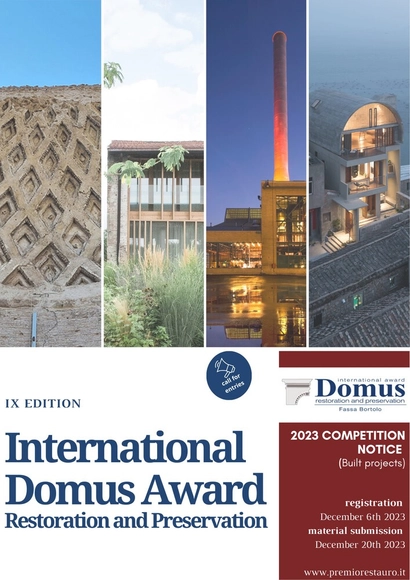
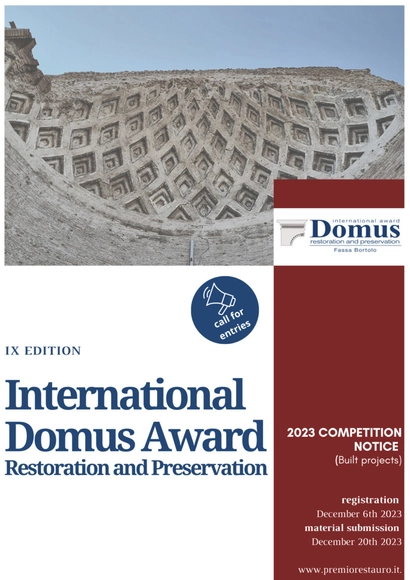
The International Prize for Architectural Restoration “Fassa Bortolo Domus Restoration and Preservation” was established for the purpose of rewarding and promoting architectural restoration works that have managed to best interpret the preservation principles including through the use of contemporary forms of expression. It was conceived and promoted in 2010 by Fassa S.r.l., owner of the Fassa Bortolo brand, and by the Ferrara University, Department of Architecture.
The TRANSFER Architecture Video Award is an independent award organized by TRANSFER Global Architecture Platform and supported by Sotto Voce Foundation
The TRANSFER Architecture Video Award is an independent award, launched in 2019, to recognise the most creative and innovative short films in the field of architecture, city or landscape worldwide.
The INTERNATIONAL DOMUS AWARD RESTORATION AND CONSERVATION - 9th Edition - built projects division is event that aims to reward and highlight architectural restorations that have consciously interpreted the preservation principles shared by the scientific community, including the use of contemporary forms of expression. The Award is open to individual designers, temporary groups, architecture-engineering studios, and construction companies that have successfully completed the submitted project. The total prize for this edition is €13,000. Beside the money prize, the Sponsor Fassa Bortolo s.r.l. will invite the awarded professionals in Ferrara, Italy, to present their work to a wide public within the framework of the “Restoration and Cultural Heritage Days - VI edition” in March 2024 and widely published in magazines and scientific journals.
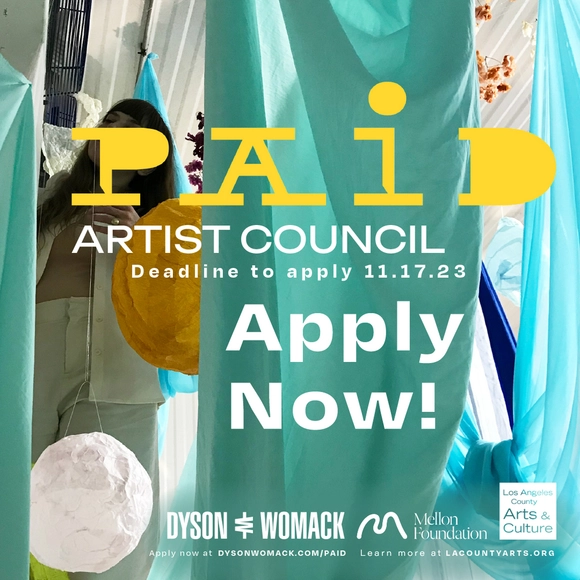
PAiD: Public Artists in Development is a visionary program from the LA County Department of Arts & Culture, funded by the Mellon Foundation, with development and delivery by Dyson & Womack. It's a groundbreaking initiative that's set to reshape the future of public art in our community.
Architecture, Technology, Sustainability, Smart Buildings, Green Architecture, Climate Change, Design, Building Structures
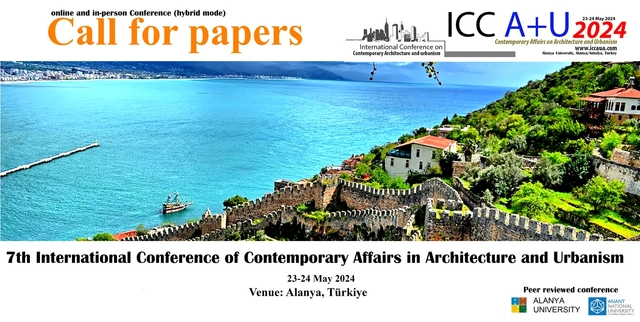
7th International Conference of Contemporary Affairs in Architecture and Urbanism, ICCAUA2024 23-24 May 2024 Alanya, TÜRKİYE Hybrid Conference (Both online and In-person presentations will be available)
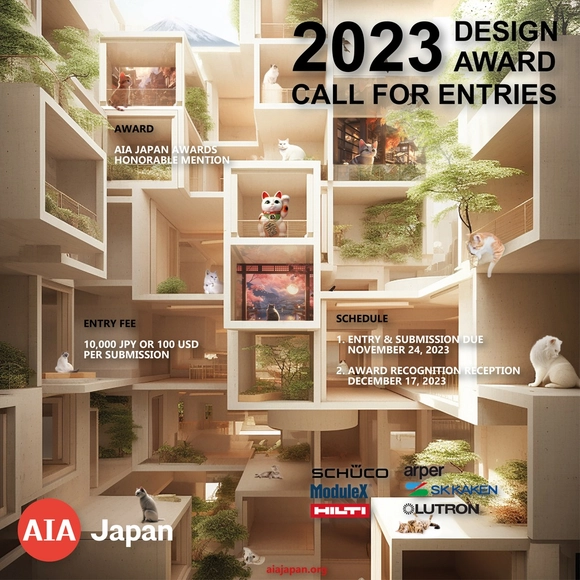
The mission of the AIA Japan Design Awards Program is to encourage excellence in architectural design and planning, and to provide an avenue through which architects may gain recognition by their peers and the public. The ultimate goal is to raise the standards of architectural design excellence for both the architectural community and the public.
The future is now - Call for the Green Product Awards 2024
For more than 10 years, the international Green Product Awards have been honouring products from companies and start-ups that stand out for their sustainability, design and impact. The annual theme of the Green Product Awards, The Future is now, is reflected in the key visual and in the accompanying special project: together with the German-Dutch architecture firm A01, the best participants of the Award 2024 will be integrated into a European version of the "No Footprint House" that won last year.
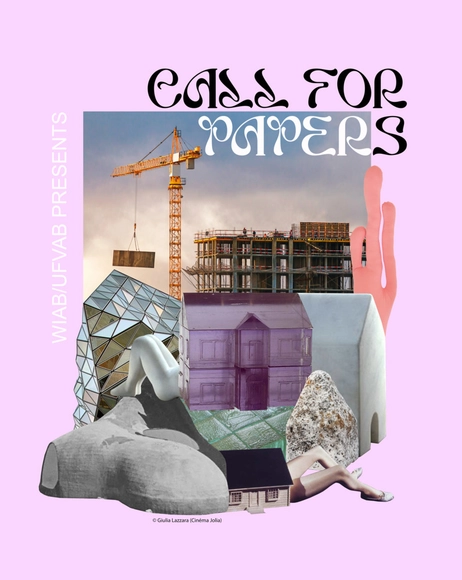
Women* in Architecture Belgium seeks new and alternative ways of expressing the progresses of architecture, underlining the role of the women working to its evolution. Besides highlighting their architectural work, WIAB aims to showcase the leadership skills female architects have, giving them the space to become role models for the future generations and increase the proportion of women in leadership roles within architecture. Women* in Architecture Belgium warmly invites researchers, writers, critics, professionals and scholars in architecture, interior design, landscape design and urban planning to submit an original abstract for consideration at our upcoming ‘Think Tank 2023’ - Women in Architecture Belgium Event. Guest curator Katrien Vandermarliere invites you to write about the following topics: 1. Liquid, fluid, flowing. Concepts and values take on new interpretations in the world and in architecture. 2. Representation of women in architecture. What are new role models and why are they important? 3. Ecofeminism / Regenerative architecture and self-building, activist and feminist. You can find more information in the encolsed pdf.
Responsive Cities 2023 // Advanced Architecture Group
The Institute for Advanced Architecture of Catalonia (IAAC) and the Green Skills for Cities partnership are delighted to announce the Call for Papers for the biennial international symposium, Responsive Cities 2023, a global platform to experiment and rethink urban environments in response to today’s global challenges. Building upon the success of previous editions, we invite researchers, practitioners, scholars and innovators from various disciplines to contribute to the 2023 symposium, centered around the theme of "Collective Intelligence Design". Responsive Cities 2023 Symposium seeks to delve into the emerging paradigm of collective intelligence in the processes of city making. As cities continue to evolve in complexity and interconnectedness in the context of the climate emergency, embracing new forms of intelligence that go beyond human perspectives becomes the cornerstone for the future of urbanity. Collective Intelligence Design promotes an emerging collective intelligence paradigm that empowers the applications of co-creation, following generative processes of both the living and the machine. This post anthropocentric approach highlights a unique combination of crowd wisdom and artificial intelligence that, together with other forms of intelligences including animal, vegetable, or microbial, marks a significant milestone in the creation of our future green cities. By embracing new forms of intelligence in design, architecture and cities can transcend anthropocentric perspectives and cultivate a new ecological, technological but also cultural paradigm of inhabitation where inclusivity lies in its core. This shift recognizes that cities are alive and dynamic ecosystems interconnected with the natural world, while acknowledging the interdependencies among humans, non human, cultural and technological others.
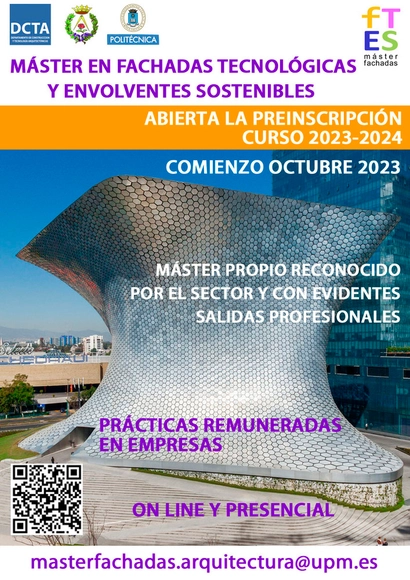
Learn more about the Master's in Facades at the Technical University of Madrid (UPM). Pre-registration for the 2023-24 academic year is now open for both in-person and online formats. The program begins in October 2023.
At our offices in Zurich, Berlin, Milan, Santiago de Chile, and Mexico City, DAAily platforms comprise a team of around 200 architects, designers, sales experts, communications specialists, and IT experts.
As inspiring and valuable curated platforms for the architecture and design community, Designboom, Architonic, and ArchDaily share combined online traffic of in excess of 270 million visits per year. Moreover, as one entity, DAAily platforms share a common mission: to empower everyone who makes architecture and design happen to create a better quality of life.
https://www.archdaily.com/1004566/join-our-team-as-social-media-specialist-for-archdaily-in-spanishArchDaily Team
Map of Spanish-speaking territories: Wikipedia user Allice Hunter licensed under CC BY-SA 4.0. Background image in the public domain. Image via ArchDaily
At ArchDaily en Español, we recognize the need to stay in constant contact with architecture students, who will be responsible for designing and building the cities of the future. For this reason, we periodically open a call for applications to join our editorial team through our internship program.
If you currently reside in Chile, this could be your opportunity to contribute local content to the most visited architecture platform in the world, which inspires and informs hundreds of thousands of architects globally. If you are interested, please read on.
https://www.archdaily.com/1099352/architectural-communication-internship-archdaily-en-espanol-2023-open-callArchDaily Team
Taking place across the city of Toronto January 19-28, 2024, the annual DesignTO (https://designto.org/) Festival is a city-wide celebration of design's role in creating a sustainable, just, and joyful world. Featuring a wide range of events, exhibitions, and installations, the Festival showcases the best of local and international design. If you're interested in contributing an Independent Project (https://designto.org/independent-projects-call/), participating as a Host Venue, or submitting to one of the DesignTO curated projects, now's your chance!
Eden Project aims to give space and visual representation to goals. It seeks to explore the ‘essence’ of pursued destinies, the tangible ‘collapse’ of imagined goals, and the tools employed in the realms of work, life, and thought to achieve them. Karl Kraus once argued: ‘Origin is the goal’.
PORTUSplus – published by RETE, International Association for the Collaboration between Ports and Cities – is an open-access journal, peer reviewed and indexed, dedicated to the multidisciplinary study of themes concerning the relationship between ports and cities and urban waterfronts.
Dubai Design Week is gearing up for its ninth edition taking place 7 - 12 November 2023. The annual event is one of the region’s most significant cultural occasions with a line-up of programming demonstrating Dubai’s commitment to design.
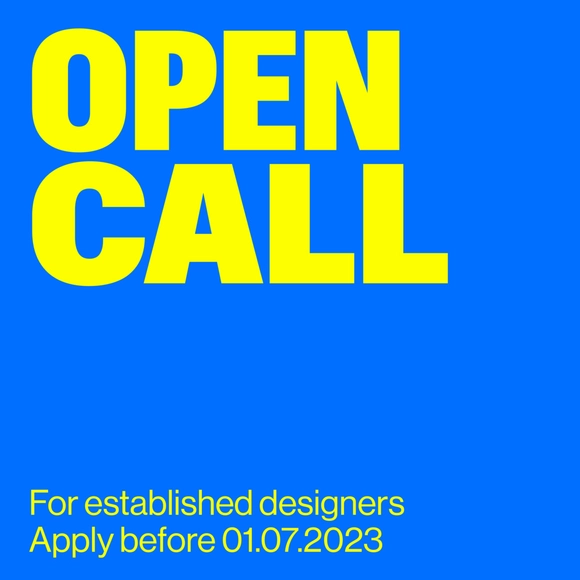
Are you a designer working in the fields of Architecture, Product Design, Interior Architecture, Interior Design, Rugs, Ceramics, Home Accessories, and Furniture? We invite you to be part of We Design Beirut. The event celebrates design in its many forms by engaging the creative talent of designers synergistically, in the event’s themes of empowerment, preservation, and sustainability, with the presence and attention of regional and international press. Apply by filling out the Application Form for Established Designers on our website before July 15th.