Former Content Editor for ArchDaily.co, Architect and passionate for scale models. Exporting Colombian architectural scene to the world.
Intagram @sumyaro
The third generation of the Bogotá-based firm Bermudez Arquitectos spoke with ArchDaily during the quarantine, discussing various aspects of their practice, their contributions to academia, and the challenges of working in a studio with a family legacy. Read the transcript of the Instagram Live below.
During the lockdown, ArchDaily hosted a series of interviews and talks via Instagram Live with some of contemporary architecture's most influential practices. In this installment, we spoke with Giancarlo Mazzanti about everything from the opportunities presented by the pandemic and his architectural philosophy to the notions of foreignness and legacy. Below is the transcript of our conversation.
If we could travel back in time one hundred years and organize an ideas competition to visualize what Bogota would look like in 2020, the proposals would be far from the reality of the urban landscape experienced today in the Colombian capital. Back then, little was known about the events that would later shape history, such as the Bogotazo, which led to the rebuilding or remodeling of most of the buildings that served as architectural landmarks of previous centuries.
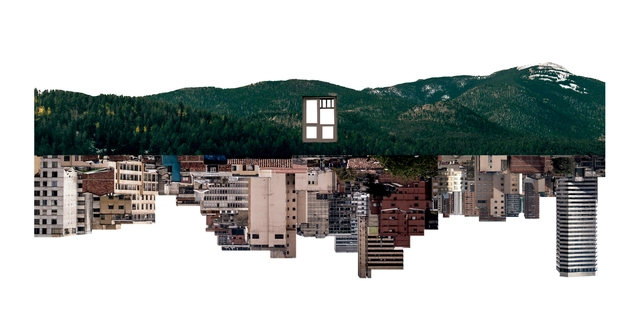
The uncertainty of a distant future is perpetual. Yet, this does not stop the imagination from creating utopian or dystopian scenarios of that urban dimension for 2120. This was the main goal of the rendering competition organized by the Student Collective of the Colombian Society of Architects (CESCA) of the Bogota and Cundinamarca chapter.
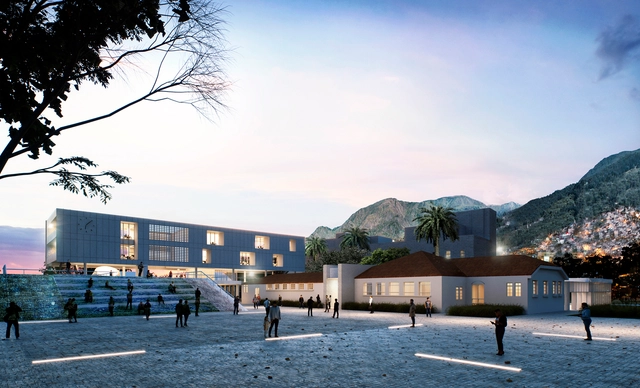
The San Cristóbal local town hall, located in southeastern Bogotá, is currently situated in a mixed-use area of the San Blas neighborhood. It sits in close proximity to a school, a parish church, a community development center, residential complexes, and the local Metropolitan Park.
Despite its privileged location relative to surrounding properties, the town hall building is a designated heritage site. Participants in the public design competition for the new headquarters, organized by the SCA (Sociedad Colombiana de Arquitectos), had to consider all these aspects in developing their proposals. Estudio Territorios was awarded first place, followed by FP Arquitectura in second, and EMS Arquitectura in third. Below, we take a closer look at their proposals.
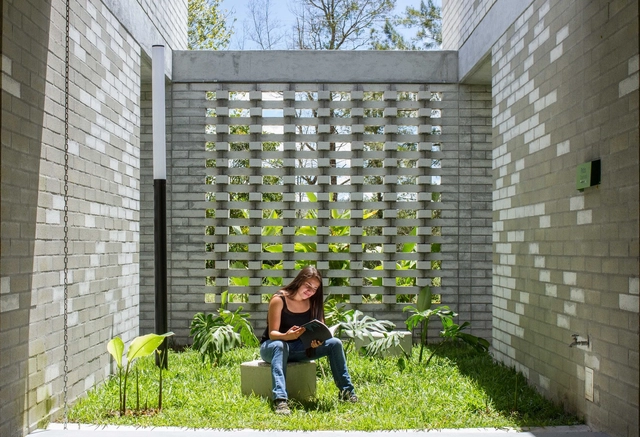
In countries where architecture adapts to the seasons, projects must respond so that they are comfortable for the users, both in the hot summer temperatures and in the cold winter. Tropical countries, such as Colombia, are a bit luckier. The temperature of construction sites depends less on the seasons and more on where they are located geographically according to the altitude above sea level; the closer they are to the sea, the warmer it is. For this reason, it is not essential to seal or insulate the interior spaces. On the contrary, the good management of constant ventilation creates a more permeable and contextual architecture.
We have put together a series of projects with different architectural programs: local markets, health facilities, cultural, education and housing projects. They show that with different construction techniques, you can begin to control the permeability, air flow, privacy or solar heat gain. Explore each of these projects below.
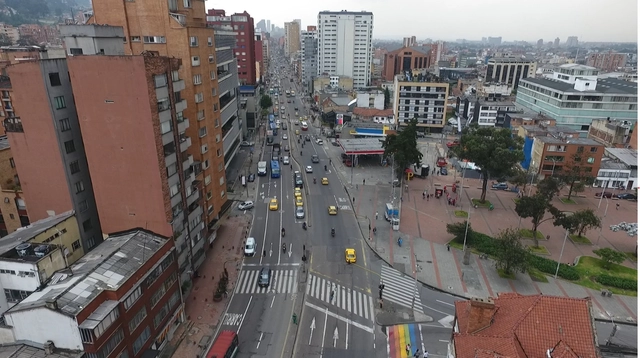
All large cities face the challenge of managing growth, expansion, and, above all, functioning as an integrated system. In Bogotá, one of the main issues is the mobility of both the commuter and resident populations. We spoke with urban planner and architect Liliana Mejía González, Director of the Projects Division at the Urban Development Institute (IDU), who shared insights into the District Development Plan 2020-2024 for the capital district.
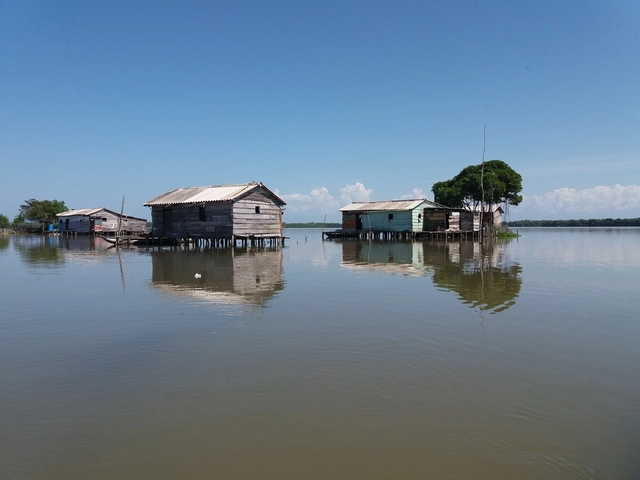
Stilt settlements have existed throughout the world wherever populations sustain their lives through constant interaction with water. In Colombia, the settlements of the Ciénaga Grande de Santa Marta, in the department of Magdalena, are a local benchmark that has endured since pre-Hispanic times. Today, these are informal dwellings, unrecognized in the official land registry. The Pontificia Universidad Javeriana and AGRA have shared their research, compiled in a book that supports the documented formalization of these dwellings using architectural representation standards, specifically by identifying the typologies of Nueva Venecia.
On Friday, May 29, a virtual panel discussion will take place focusing on "The Teaching of Architecture Today and Tomorrow." Moderated by Manuel Moreno, Dean of the School of Architecture and Urbanism at the Universidad del Norte in Barranquilla (EAUD), the event will feature Daniel Bonilla of taller de arquitectura de bogotá, Giancarlo Mazzanti of Equipo Mazzanti, and architect Fabián Amaya, Director of the EAUD Architecture Department.
Charlas de Terraza is an initiative hosted at the office of OPUS in Medellín. It features conversations that extend beyond architecture and, adapting to the COVID-19 lockdowns, is currently being held virtually. Alongside these talks, there is another initiative dedicated to sketching called Club de Dibujo (Drawing Club). In this session, both formats merged as the Medellín-based practice, along with Alejandro Enriquez from Bogotá, discussed the sketch and its process.
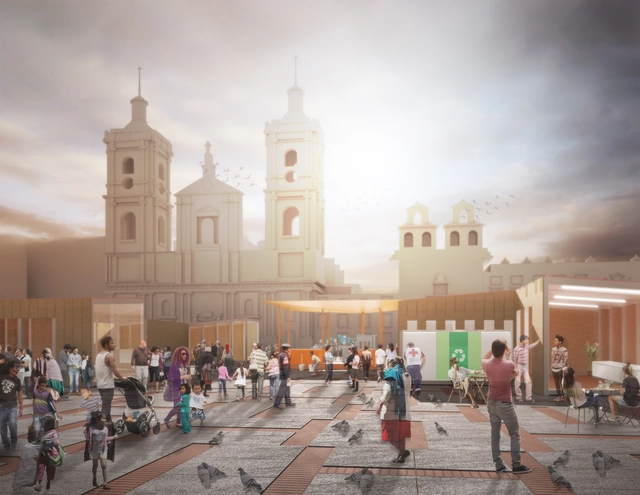
The Brooklyn-based design firm Territorial Empathy, which has Colombian roots, presented a proposal for the UN-Habitat Global Public Space Programme, rethinking the temporary nature of aid for Venezuelan migrants in Colombia by utilizing the capital district of Bogotá's most iconic public space.
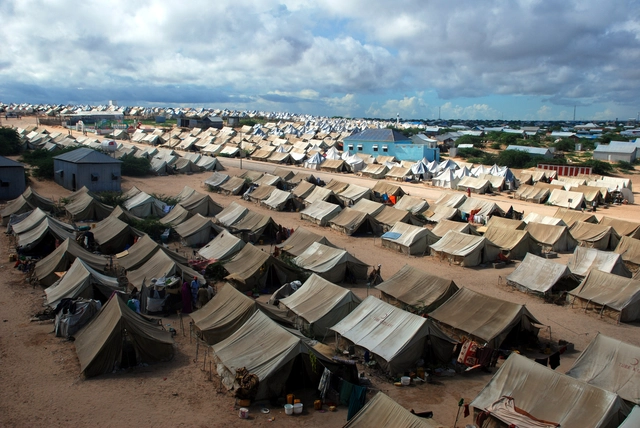
Currently, most global citizens have been directed into lockdown due to COVID-19. After spending more than two months under these circumstances, two broad reflections emerge—regardless of the personal challenges faced by each household. The first is that we might adapt and live in relative harmony within our living spaces; the second is that our living space may not be adequate for our comfort. We will delve into this second point to empathize with vulnerable populations who choose to abandon their lives in one place to migrate toward better opportunities, and to examine how architecture addresses—or fails to address—the migration emergency.
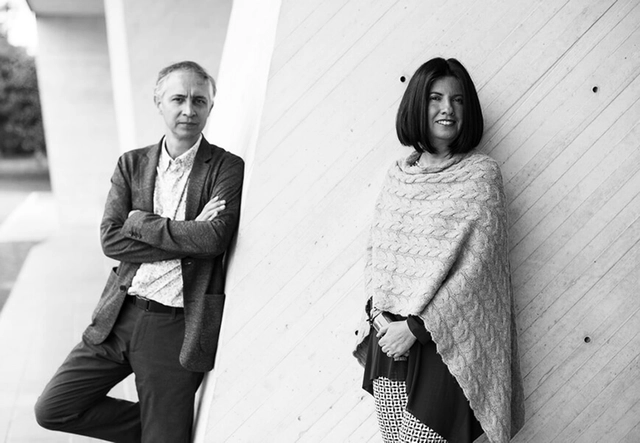
Daniel Bonilla y Marcela Albornoz. Image Cortesía de taller de arquitectura de bogotá
At the start of the lockdown period, ArchDaily conducted a series of interviews and talks in a more informal format. This allowed us to share a space via Instagram Live with some of the most influential contemporary architecture practices from our local sites and around the world.
Here, we present the conversation we had on our Colombian site with the founders of one of the country's most internationally and nationally renowned firms: Daniel Bonilla and Marcela Albornoz, leaders of taller de arquitectura de bogotá. Below is the transcript of our conversation.
Eduardo Useche, director of the Arquitectura para Aliens podcast, presents excerpts from the transcript of a discussion he moderated, reframing the vision and stance of the architect. Focusing on the uncertain future following the COVID-19 pandemic, the discussion brought together leading representatives of the various associations safeguarding the role and responsibility of professionals and academic institutions linked to architecture. In this pandemic context, construction is one of the hardest-hit sectors, largely because construction sites are not run by contagion-free machines—at least for now.
Spending significant time at home has made us realize that the interior spaces of conventional commercial housing are ill-suited to accommodate work, domestic life, and leisure. This situation is further exacerbated in peripheral areas far from urban centers. On Cascajal Island in Buenaventura, Colombia, the relationship between coastal housing and the sea is essential for local cultural and economic development.
Following the onset of isolation and social distancing, we opened up a space to interview architects, exploring their architectural perspectives through a lens of empathy for our shared global situation. Broadcast live on ArchDaily Colombia's Instagram, one of these conversations was with Antonio Yemail, principal of the Bogotá-based firm Yemail Arquitectura.
Beginning this April 30, a series of talks, workshops, forums, exhibitions, conferences, and other events will explore the legendary Bauhaus school and, in particular, its impact on Latin America. Due to current circumstances, several of these sessions have been redesigned to take place online.
Cortesía de Facultad de Arquitectura y Diseño de la Pontificia Universidad Javeriana
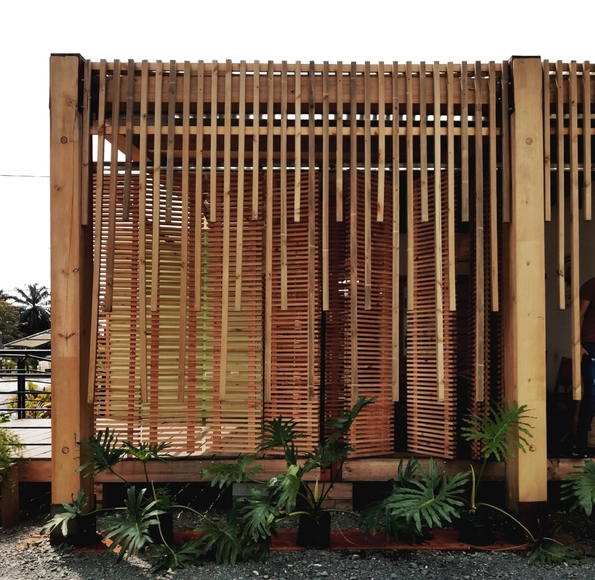
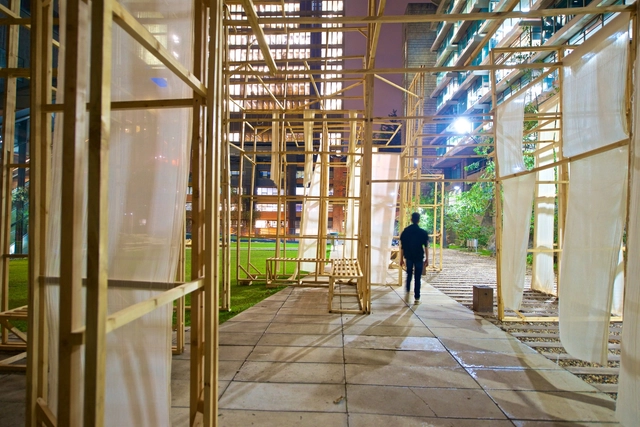
Academic architectural practice must push students and faculty toward constant adaptation and exploration. First-semester students at the Pontificia Universidad Javeriana built an intervention of ephemeral architecture using wood as a structural material in the arts building (prior to the state of emergency). This gave future architects the academic experience of hands-on construction during their very first semester in the department.