Former Content Editor for ArchDaily.co, Architect and passionate for scale models. Exporting Colombian architectural scene to the world.
Intagram @sumyaro
In the daily routine of our conventional workday, we are influenced by many distractions that affect productivity, which have already become routine. However, now that we no longer lose time commuting and are restricted to activities we can do at home, we manage our time with more holistic priorities.
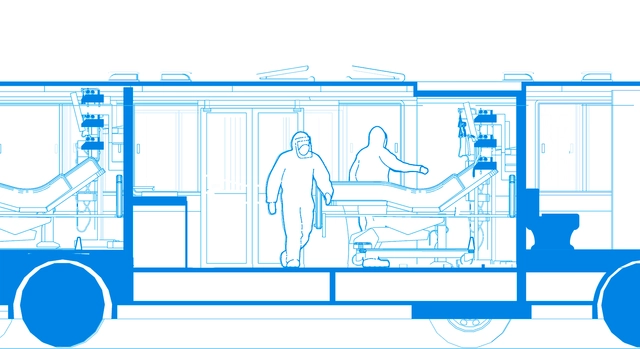
The Bogotá-based firm 57Uno focuses its practice on sustainability and has now channeled its creativity toward resilience and adaptability through Arquitectura en Tránsito (Architecture in Transit). This proposal aims to address the health emergency caused by COVID-19 by repurposing decommissioned buses from one of the primary contributors to poor air quality in the Colombian capital.
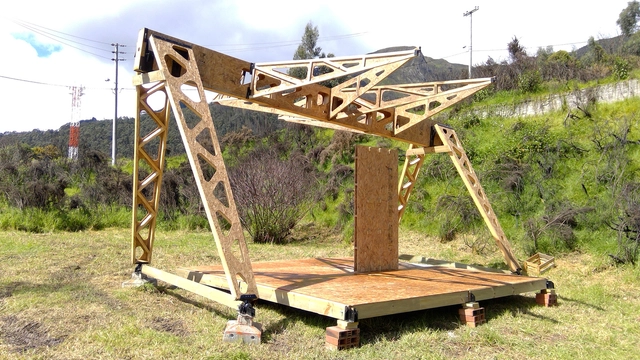
The Superintendency of Industry and Commerce has granted a utility patent for the invention "Multifunctional Self-Supporting Modular Roof System" to professors Camilo Ayala García and Christiaan Job Nieman Janssen, from the design department, and Diego Alejandro Velándia Rayo, from the architecture department, at the Faculty of Architecture and Design of the Universidad de los Andes.
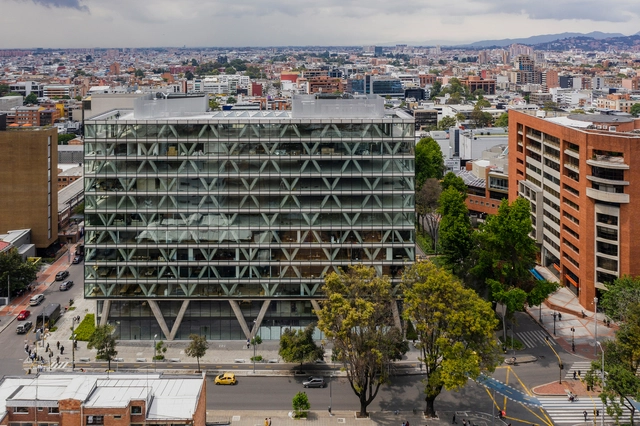
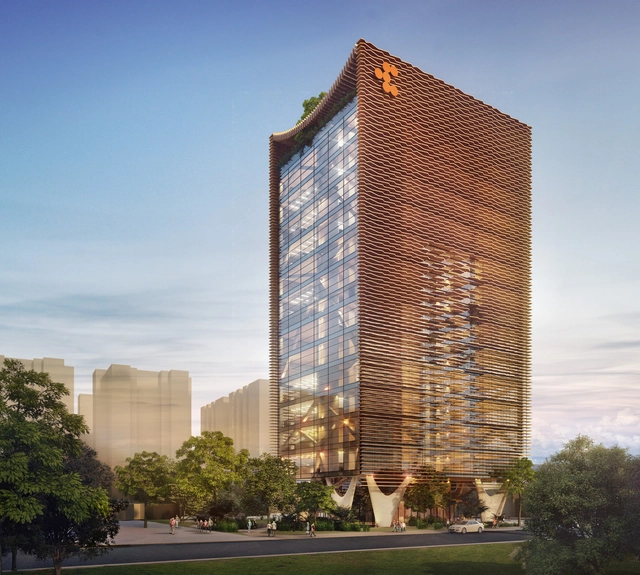
The private preliminary design competition for the Day Center for the Elderly and the CBI Comprehensive Wellness Center, managed by the Compensar compensation fund, sought a design solution that would connect directly with the green space network of Simón Bolívar Metropolitan Park and primarily serve older adults. The competition awarded first place to taller de arquitectura de bogotá, second place to De la Carrera Cavanzo, and third place to David Delgado Architects.
During this period of remote work and quarantine, we can make the most of the time we save on commutes by honing our skills to improve our architectural practice. Below is a selection of free online courses that can help us better adapt to our new work environment.
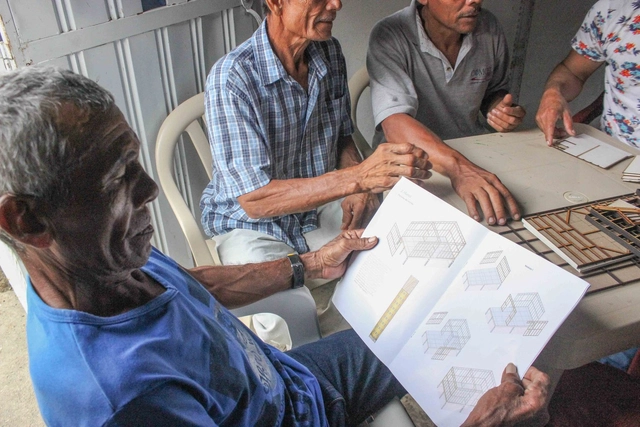
Social housing is one of the most compelling topics for our readers, representing a systemic challenge across most of Latin America. In Colombia, this challenge is even greater when it comes to rural social housing (known as VISR in Spanish), as inadequate infrastructure hinders dignified coverage throughout the country.
In these times of change, the more we cling to the pre-existing and resist the inevitable, the harder it will be to adapt. When everyone is equally exposed to the consequences of change, adaptability—alongside empathy—becomes the common denominator, allowing us to set aside, if only temporarily, the selfishness that segregates society.
Perhaps excessive competition also fosters this estrangement among colleagues. Architectural academia pushes us to compete for grades and prepares us for design competitions, and while this methodology can empower us to drive self-improvement, on a mass scale it generates segregation and harmful preconceptions.
As urban sprawl has expanded in large Latin American cities like Bogotá, neighborhoods, spaces, and zones dedicated to specific uses have naturally become increasingly disconnected. Although historic centers are typically hubs of culture and tourism, they cannot keep pace. Driven by growing demand and rising populations, new dedicated cultural zones are beginning to emerge.
Upon completing the long and arduous study of architecture, we are awarded a professional degree certifying that we possess the ability to design a habitable space, and the license to sign off on the blueprints to build it. Yet these are technical and functional skills; the artistic dimension of architecture often depends on the humanity transmitted by the mentors who educate us, enabling us to bring that quality to the spaces we design.
Architecture impacts the context in which it is built. However, the user experience ultimately unfolds within interior spaces. Great figures like Rogelio Salmona and Antonio Gaudí conceived their works across the entire architectural spectrum, ensuring that even the finest finish details were integral to the experience.
In today's world, where the urban footprint is expanding rapidly and construction costs severely impact the planet, alternative solutions have emerged that return to essential principles. During the 2020 Academic Housing Forum at the Universidad de los Andes in Bogotá, key issues surrounding the critical housing situation in a developing country like Colombia were presented.
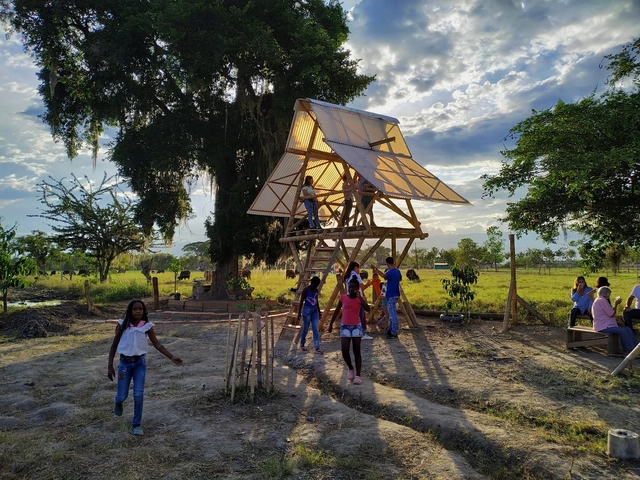
At a time when we only have room for immediate priorities, many designers in our discipline work detached from the actual context where their projects will be built. Yet, some still dedicate the time and passion to experience these realities firsthand and build hand-in-hand with the users.
Water is one of the non-architectural elements most frequently used to complement design, harmonizing atmospheres and the overall experience of living. This can be achieved through reflecting pools, basins, fountains, or swimming pools. In tropical climates, it becomes a key tool that consolidates the architectural program, gathering spaces together and inviting residents to socialize around the pool.
Mapa de la Urbanización El Prado, Barranquilla - Colombia, 1922 (Archivo Karl Parrish, Universidad del Norte). Image Cortesía de Universidad del Norte
Universidad del Norte managed, edited, and published the book Memorias de El Prado, in which authors Jesús Ferro Bayona and Rossana Llanos Díaz compile a record of the iconic neighborhood in Barranquilla, Colombia. This publication documents the development and urban growth of the luxurious modern neighborhood—which remains iconic today—through historical plans and photographs.
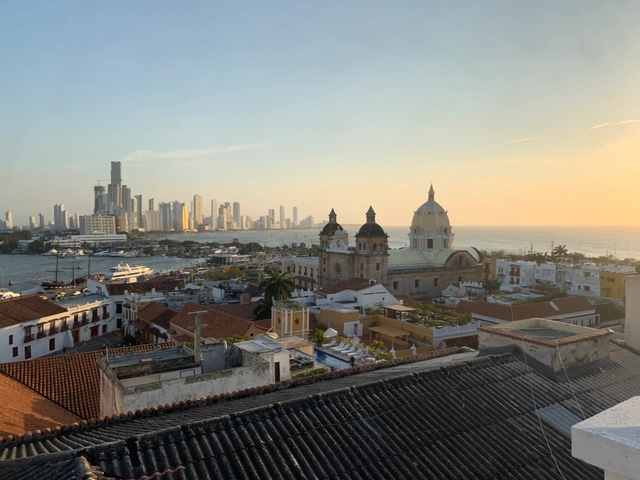
The degree to which heritage is crucial for the tourism and commercial value of cities like Cartagena is highly debated. As this value rises, the real estate sector invests more heavily in buildings that clash with the historic urban landscape. Especially since Cartagena is a warm, Caribbean, coastal vacation city, massive high-rise developments like Miami are often used as benchmarks. How far can real estate ambition go?
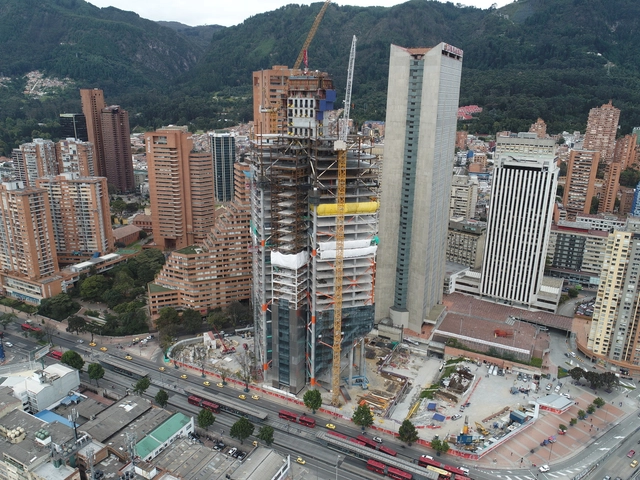
The answer is likely: until the city's long-term interests override those of private developers. This is the case of the controversial Aquarela building, whose already advanced construction was halted following a statement by UNESCO warning that they would remove the walled city of Cartagena from the World Heritage list. Consequently, the mayor of Cartagena reaffirmed his commitment to demolishing the unfinished structure.
When we visit an urban destination—or perhaps a rural one as well—can we truly say we know it? A brief vacation in a tourist destination might give us an impression of what a place "is." However, this is a far cry from reality, as tourism has always manipulated the impression left on visitors, obscuring the actual lived experience of the place.
Upon graduating from architecture school, we earn a degree that academically certifies that we possess the professional skills to call ourselves architects. This means we can design spaces and, more importantly, build them—raising from bare ground an intervention that will endure over time and, most importantly, creating livable spaces.
Suba- Nuestro Jardín-NerioGuevara. Image Cortesía de Bicistema
In large Latin American cities, marked by deep class polarization, insecurity becomes one of the direct outcomes of a lack of inclusive planning. In Bogotá, socioeconomic classes are divided into strata from 1 to 6—with 1 representing the most vulnerable population and 6 the most privileged. Bicistema has carried out four interventions in the localities of Kennedy, Suba, Teusaquillo, and Tunjuelito at public space points critical to women's safety.



..jpg?1574805684&format=webp&width=640&height=580)