Former Content Editor for ArchDaily.co, Architect and passionate for scale models. Exporting Colombian architectural scene to the world.
Intagram @sumyaro
Cortesía de ems arquitectos + Pantoja Arquitectos + Alcuadrado arquitectura
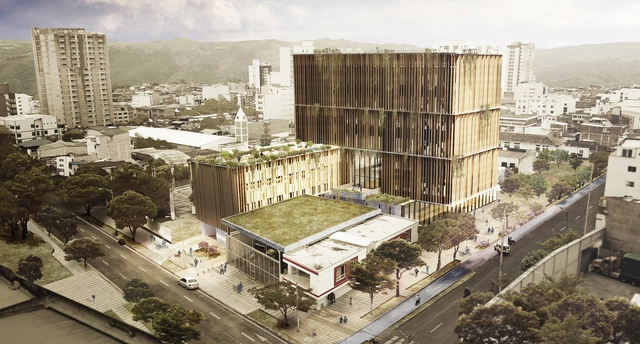
EMS Arquitectos, Pantoja Arquitectos and ALCUADRADO Arquitectos present their second-place winning proposal for the public design competition for the preliminary design of the infrastructure replacement of the UIMIST hospital unit in the municipality of Bucaramanga. The concept is based on redefining the traditional role of the hospital through four perspectives: urban, clinical, landscape, and technical.
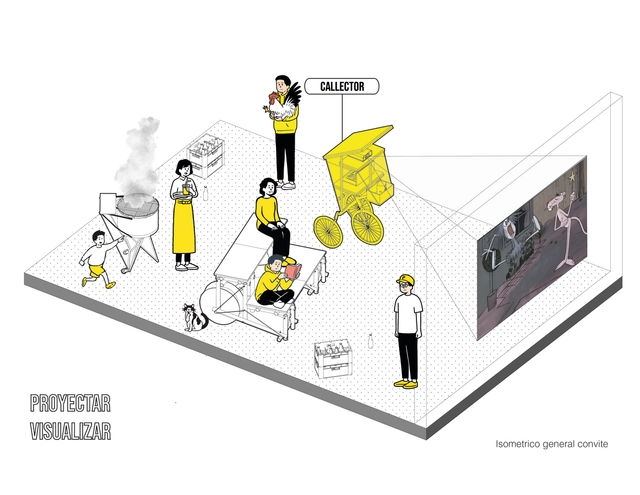
The artifacts found on public streets in most Latin American cities—wherever they are permitted—vary in function and use. These range from mobile street-vending carts and temporary stages to containers for collecting discarded waste, ready to be given a new life by others.
Ruta 4 Taller together with Coonvite created this workshop format to reflect on the artisanal artifacts or contraptions (cacharros) placed in public space, aiming to foster new encounters through trans-architecture.
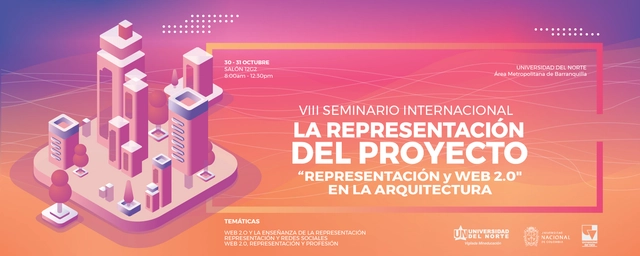
The eighth edition of the international seminar Project Representation: Representation and Web 2.0 in Architecture will take place on October 30th and 31st at the Universidad del Norte in Barranquilla. Since 2013, this event has fostered discussions on the subject across three national universities: the aforementioned institution, the Universidad del Valle in Cali, and the Universidad Nacional in Medellín.
In September, we launched the fourth edition of our open call in Colombia, inviting architects to submit their undergraduate thesis projects. In this edition, the call received 104 submissions from more than 15 cities and 25 universities across the country, marking an 11% increase in proposals compared to 2018.
Following an exhaustive evaluation, and to celebrate Architects' Week in Colombia, we present the 13 thesis projects selected as winners by our editorial jury (Fabián Dejtiar, Mónica Arellano, and Santiago Baraya). The evaluation criteria prioritized projects that directly addressed current issues, such as urban, local, social, and environmental contexts.
Contemporary educational architecture has moved away from replicating closed buildings that resemble prisons or hospitals more than environments designed to foster the academic development of younger generations. Whether a university, high school, elementary school, or preschool, educational infrastructure must encourage free and creative thinking, moving past the obsolete notion that students should be trained like soldiers who cannot question authority. This is where the architecture of these spaces plays a leading role, serving as the setting where students spend a significant portion of their lives.
In the heart of the southern Ecuadorian Andes, near the city of Cuenca—a UNESCO World Cultural Capital—PPAG Architects is building the Stiehle German School, having won the invited competition.
Every semester, hundreds of architecture students graduate across the country. After five arduous years of dedication and extensive learning, they have developed an architectural perspective that they put into practice through their thesis projects. This culminating stage of their academic training marks their transition into professionals, reflecting the results of their research, inquiries, and personal motivations—a legacy of how this discipline, according to their vision, can serve the users of cities and the territory. We know that many of these theses exemplify how to address fundamental issues in contemporary architectural practice, not only in Colombia but worldwide.
For this reason, we are launching the fourth edition of our call for entries for architecture theses in Colombia. If you believe your undergraduate or graduate thesis is strong enough to be published on ArchDaily and deserves global recognition, it is time to submit your work via the form at the end of this article.
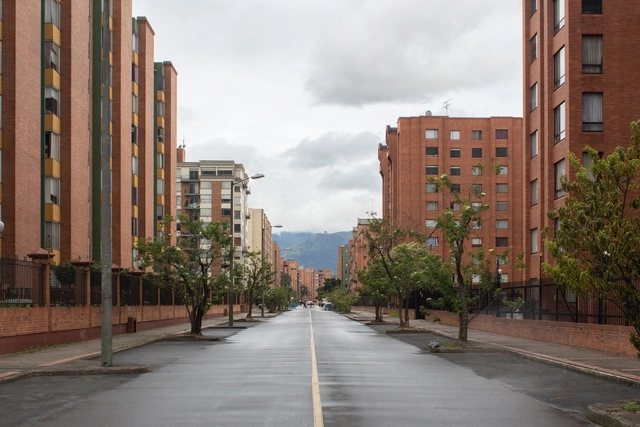
Ciudad Salitre. Foto de Santiago Beaumé, María Luisa Cervantes y Federico Chaparro. Image Cortesía de Ciudad Isla
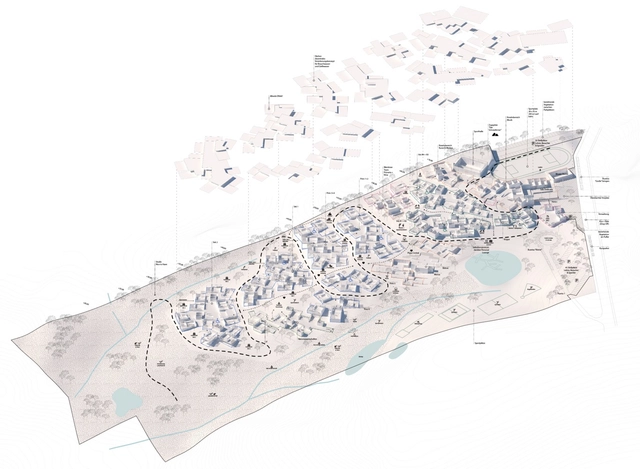
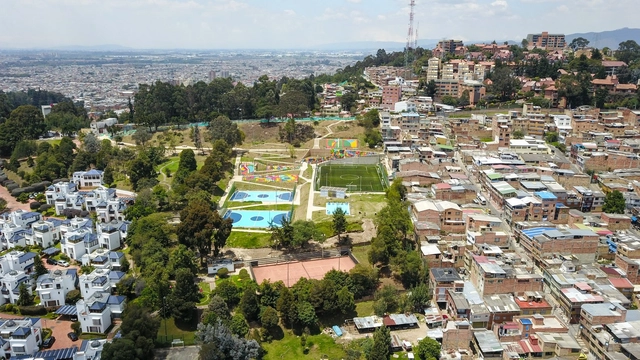
In Bogotá, a third of all households live in gated communities. This phenomenon is a misguided application of the model idealized by post-war American suburbs, which projected an idyllic, safe, happy, and perfect life—a life where mobility prioritizes motorized vehicles, utilizing simple, replicable, and, of course, highly profitable construction models.
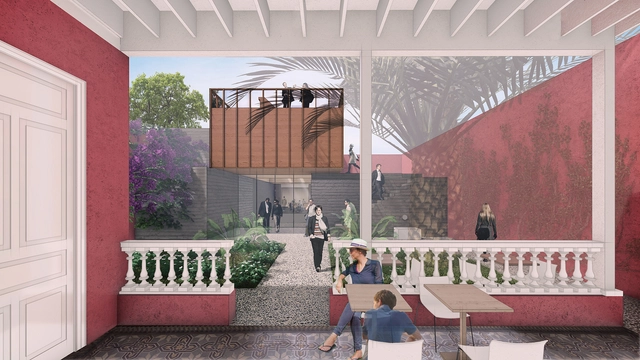
Cortesía de ESARQUITECTURA + Roman Bauer Arquitectos
"The French Institute for Andean Studies (IFEA) has chosen a winner for the expansion and renovation of its headquarters in Lima. The proposal by ESARQUITECTURA + Román Bauer Arquitectos emerged victorious in the competition... with a project that highlights the inner courtyard of the historic house." The IFEA has selected a winner for the expansion and renovation of its Lima headquarters. The proposal by ESARQUITECTURA + Román Bauer Arquitectos has emerged victorious in the competition.
Since late December of last year, TransMiCable has served as a vital transit system for more than 700,000 residents of Ciudad Bolívar, transporting passengers from the El Tunal TransMilenio portal—adjacent to the CeFe El Tunal—to the Mirador del Paraíso station, passing through intermediate stations such as SuperCade Manitas. To support the elevated transit system, the cable lines rest on 24 pylons (pillars), which will feature surrounding public spaces, creating a functional footprint for the community.
On September 12 and 13, the 36th Colombian Congress of Architecture and Urbanism will take place in the city of Barranquilla. ArchDaily will be on-site to keep you updated on the most pressing discussions in architecture and urbanism across the country.
On August 27, 2019, the awards ceremony and academic symposium of the first Bogota Public Space Biennale (BEPBOG) took place. The event was the first of its kind in Latin America and the third worldwide, highlighting the value of public space in the Colombian capital and the importance of recognizing best practices regarding the spaces to which everyone is entitled.
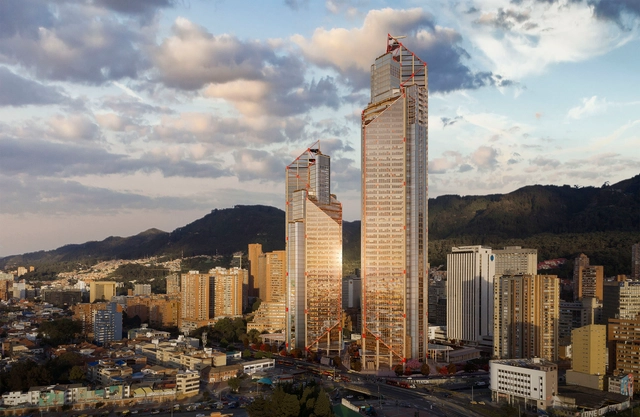
Over the next five years, Bogota will inaugurate a series of public and private projects across the city, from skyscrapers to Felicidad Centers, highlighting those resulting from public architectural design competitions, legally managed by the Colombian Society of Architects. Below, explore the main projects set to open:
The National Architecture and Urbanism Award, presented by the Colombian Society of Architects (SCA), recognizes projects that outstandingly showcase the finest contributions to Colombian architecture.
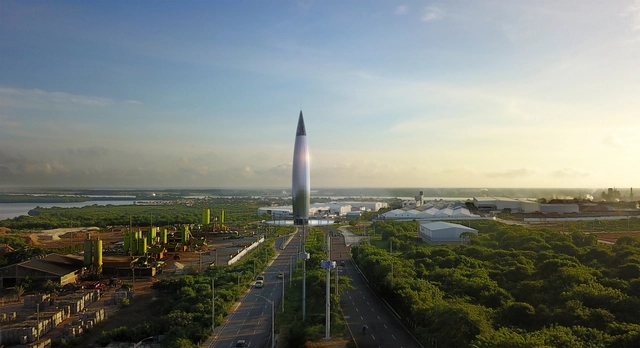
On June 28, 2019, Barranquilla-born architect Ricardo De Castro was awarded the Bronze A' Design Award in Como, Italy, for his design of the El Marquise Monument to the Magdalena River.
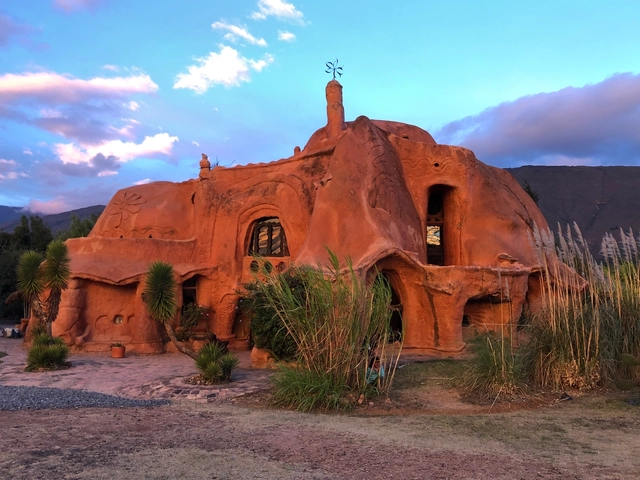
The traditional brickmaking technique is fundamentally based on molding a mixture of clay and water, placing it in a kiln, and firing it to achieve its characteristic strength. Architect Octavio Mendoza Morales decided to employ this technique to build a unique home, constructed not from individual bricks but as a single, 500-square-meter ceramic piece designed to withstand weathering.
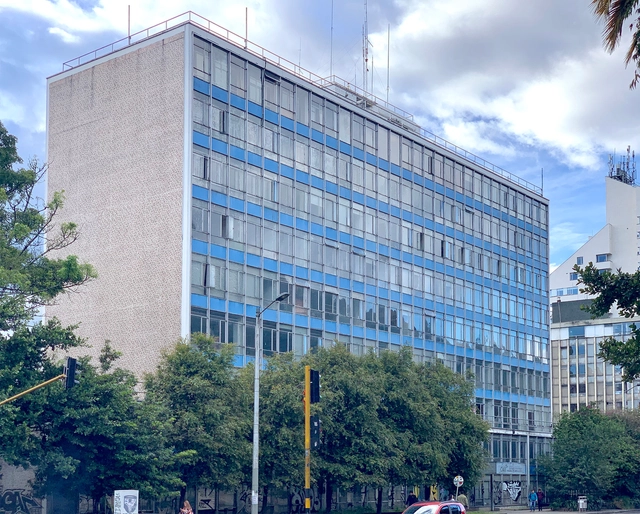
The iconic ESSO building (now the CAR Building), designed by New Yorker Douglas Lathrop alongside Martínez Cárdenas, and the Pan American building (now the Teusacá building) by Colombian architect Germán Samper—both located across from Bogotá's National Park—are included in the "CAR- Universidad Libre" Partial Urban Renewal Plan, which proposes their demolition.



.jpg?1565372350&format=webp&width=640&height=580)