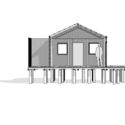
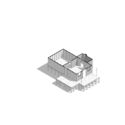
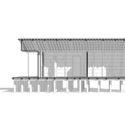
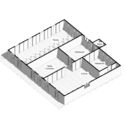
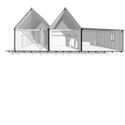
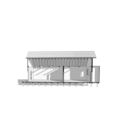
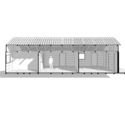
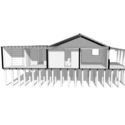
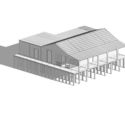
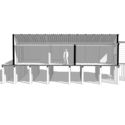
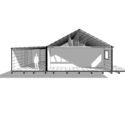
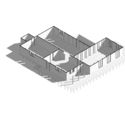
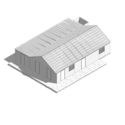
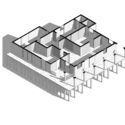
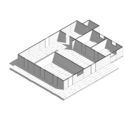
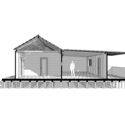
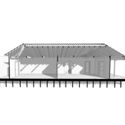
Stilt settlements have existed throughout the world wherever populations sustain their lives through constant interaction with water. In Colombia, the settlements of the Ciénaga Grande de Santa Marta, in the department of Magdalena, are a local benchmark that has endured since pre-Hispanic times. Today, these are informal dwellings, unrecognized in the official land registry. The Pontificia Universidad Javeriana and AGRA have shared their research, compiled in a book that supports the documented formalization of these dwellings using architectural representation standards, specifically by identifying the typologies of Nueva Venecia.
Project description submitted by Martín Anzellini, Director of the Department of Architecture at the PUJ. The architecture of the Ciénaga Grande del Magdalena is reflected in its brackish water. Half of the world—everything that occurs below the horizon line—shifts with the gusts of wind, river currents, incoming tides, or the wake of a passing canoe. Meanwhile, in the upper half, the inhabitants live their lives in an eternal, delicate relationship with the wetland. The communities of El Morro, Buenavista, and Trojas de Cataca mirror many indigenous populations in Colombia and around the world. They are an island that has always operated under a sustainable logic, taking only what is needed from the environment and producing what is necessary to survive and live. They have built a harmonious vernacular habitat. To many, this habitat appears bucolic and photogenic—and indeed it is. Above all, however, it is the living reflection of a sustainable alternative for land occupation. If we look at the populations of the Ciénaga with the admiration and respect they deserve, we have much to learn from them, finding lessons to enrich and correct our deeply flawed modern way of living.