Romullo Baratto is an architect with a PhD from FAUUSP and Managing Editor of ArchDaily. He previously coordinated the editorial team of the 11th São Paulo Architecture Biennial and served as Managing Editor of ArchDaily Brasil, where he led the platform to win the FNA Award—the first time the honor was granted to a media outlet. He collaborated on the editing of the book "Concrete Jungle", published by gestalten, and has curated architecture exhibitions in Brazil, Chile, Denmark, and Italy, as well as delivered lectures and moderated debates in Spain, the United States, and Portugal. His doctoral thesis investigates the urban landscapes of São Paulo through cinema. His work spans academic research and editorial practice, communicating architecture through texts, interviews, lectures, curatorship, and photography. Follow him on Instagram @romullobf.
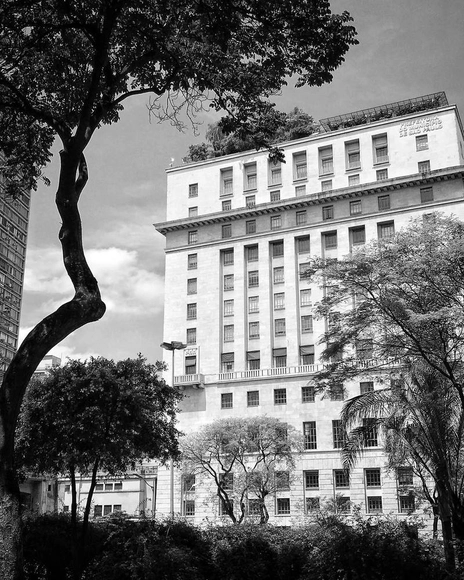
São Paulo City Hall. Photo: kmove__. Via Instagram
The City of São Paulo has opened a public selection process for professionals in the fields of architecture, engineering, agronomy, and geology, offering a total of 118 positions in these areas, in addition to 50 openings for organizational development and planning analysts. The positions are for roles within municipal secretariats and other government agencies.
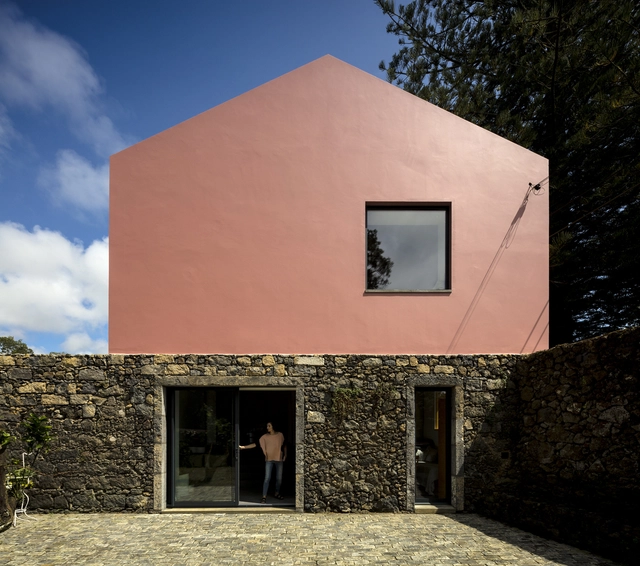
The famous and widely published Pink House, designed by Mezzo Atelier, has won the Paulo Gouveia Architecture Prize, a regional award from the Azores, Portugal, which recognizes "restoration, rehabilitation, reconstruction, and reinterpretation works whose design stands out for respecting the built heritage and prioritizing the use of local materials, without excluding the use of a contemporary language."
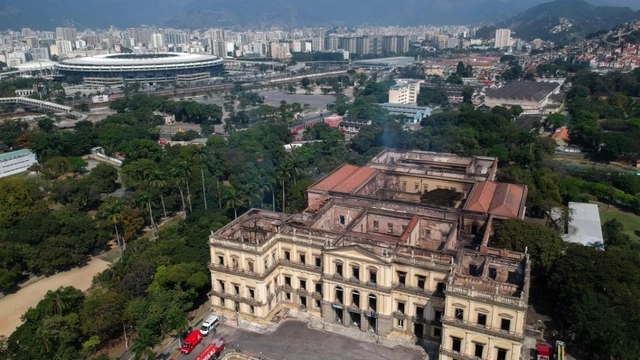
It’s been a month since Brazil lost one of its oldest and most representative assets. A fire destroyed and erased more than 200 years of the Paço de São Cristóvão’s architectural history. The building served as a residence for the royal family, and turned a great part of its collection into dust, with many of the items being one-of-a-kind. The National Museum is seeking to rebuild in the aftermath of the tragedy.
Wood is one of the oldest building materials used in architecture. Versatile, it can be used in structural solutions, coatings, partitions, fittings and, very often, in furniture. Another quality of the material is its sustainability - if well managed during planting, cutting, and treatment processes, it can be considered renewable and low carbon, adding value to the completed building.
As part of International Habitat and Architect Week in Mozambique, the exhibition opened and the winners of the First Architecture Photography Competition - Perspectivas were announced on October 1 in Maputo, during the event A Cidade Desejada, organized by the Association of Architects of Mozambique - ARCHIMOZ.
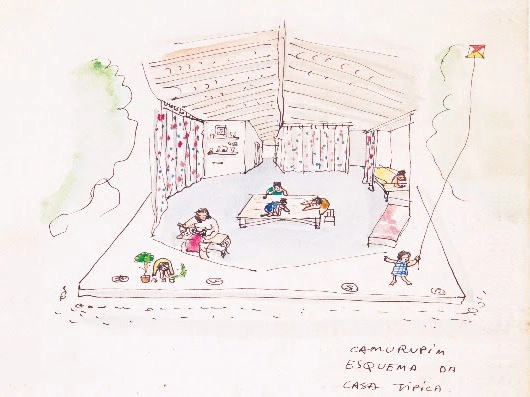
Divulgação/Croqui: Lina Bo Bardi. Image Cortesia de MCB
On October 20, the Museu da Casa Brasileira will host the launch of the book Uma ideia de arquitetura – escritos de Lina Bo Bardi, by Marina Grinover. During the event, the author will join José Tavares Correia de Lira (Professor at FAUUSP), Renato Anelli (IAU-USP), and Ana Maria Belluzzo (FAUUSP) for a panel discussion.
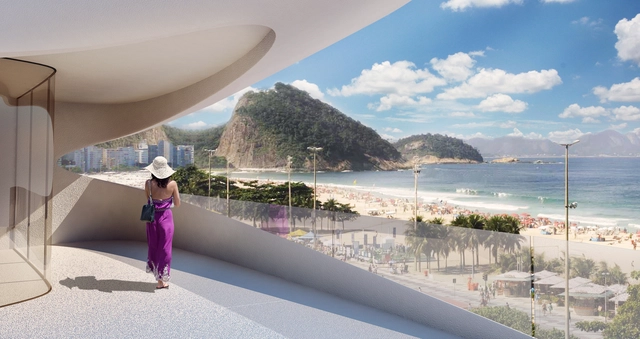
"Residencial Casa Atlântica" in Copacabana, Zaha Hadid's first project in South America, was canceled. O Globo reported the cause as "the delay of the city hall to release the work license and the consequent delay of the launch and inauguration of the project." The luxury residential condominium was designed in 2013 and should have been opened in time for the Olympics.
Dubai Trade Centre, the city's first skyscraper, to be designated as modern cultural heritage by the Modern Heritage Initiative. Courtesy of Shutterstock
The Brazilian Trade and Investment Promotion Agency (Apex-Brasil) invites architecture and exhibition design professionals to participate in the competition to select the architectural and exhibition design project for the Brazil Pavilion at Expo 2020 Dubai, to be held from October 20, 2020, to April 10, 2021, in Dubai, United Arab Emirates. The competition is hosted by Apex-Brasil and organized by the Institute of Architects of Brazil, Federal District chapter (IAB-DF).
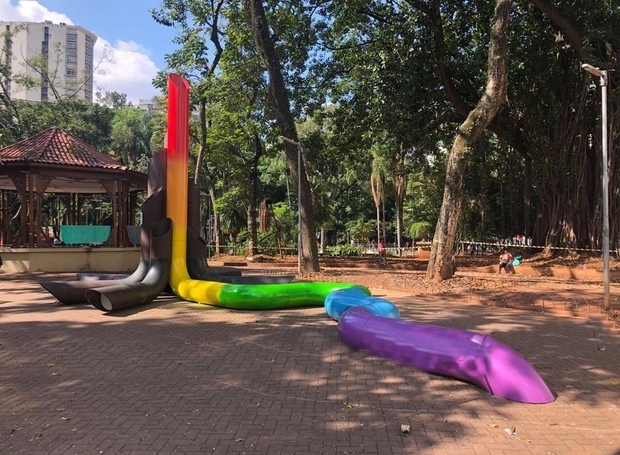
Meu Coração Bate Como o Seu, the sculpture designed by Guto Requena and built in downtown São Paulo at Praça da República in honor of the LGBT community, has had its wiring destroyed and its internal light bulbs stolen.
Conceived to celebrate 40 years of community activism in São Paulo, the act against his work is, for Requena, homophobic in nature: "The country is becoming too violent, so I have no doubt that the vandalism of my work was intended to target the LGBT community."
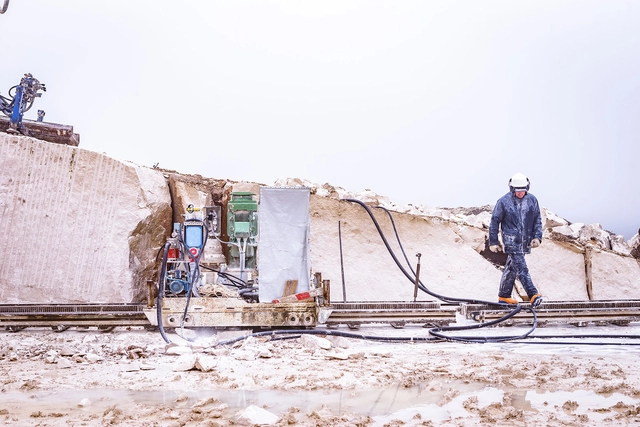
The mastery of stone is one of the most impressive features of Portuguese architecture. From the precise cut in fittings to beautiful floor designs, Portuguese architecture carries in its womb an almost born talent to manipulate one of -- if not the oldest material used in the history of construction.
In celebration of this material, experimentadesign, a research project focused on design and architecture founded in Lisbon, developed Primeira Pedra, or First Stone. This multimedia platform explores the characteristics and qualities of Portuguese stone.
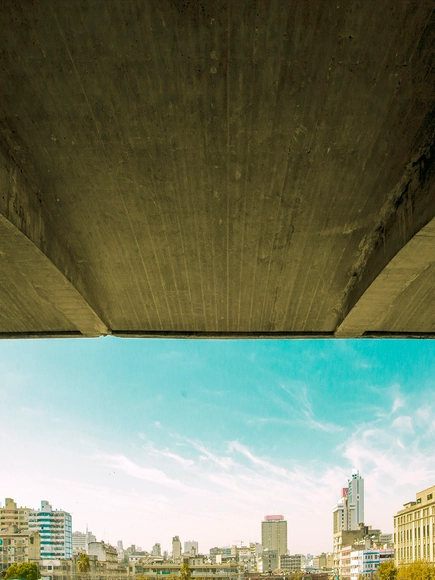
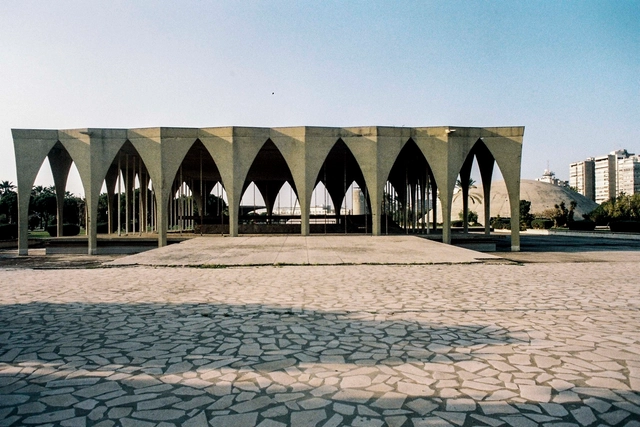
The unfinished Tripoli International Fair, designed by Oscar Niemeyer for the Lebanese capital, could become a UNESCO's World Heritage Site. Conceived in the 1960s at the request of the then President Fouad Chéhab, the fair remained a symbol of projected modernity for the country.
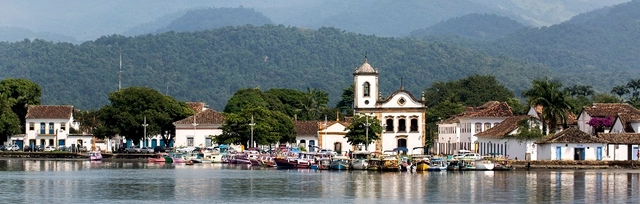
A wealth of culture and exceptional natural beauty make Paraty and Ilha Grande in Angra dos Reis a unique destination. This is the premise supporting the nomination of Brazil's first mixed site for World Heritage status. Experts from the International Council on Monuments and Sites (ICOMOS) and the International Union for Conservation of Nature (IUCN), advisory bodies to UNESCO, visited Brazil from September 10 to 16 to evaluate the site for global recognition.
The entertainment industry frequently captures unusual architecture from theme parks that explore bygone eras to remote locales in the hills of Las Vegas that often go unseen.
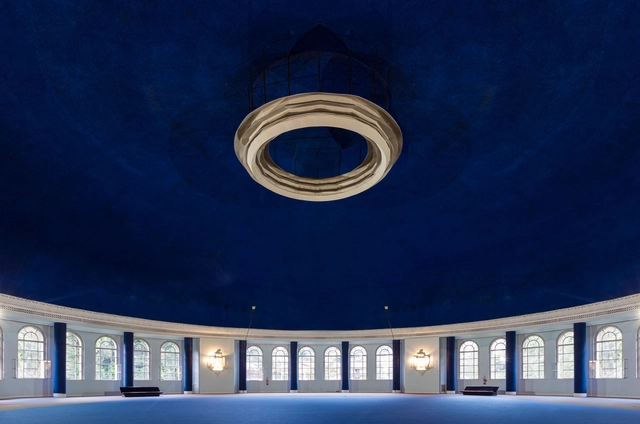
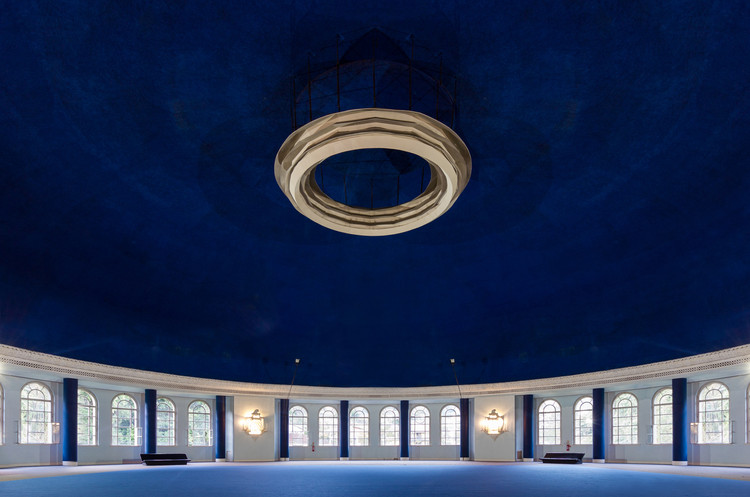
A two-hour drive from Rio de Janeiro's renowned beaches you can find a 20th century French Normandy building in the state's sierra region: The Palácio Quitandinha.
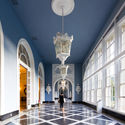
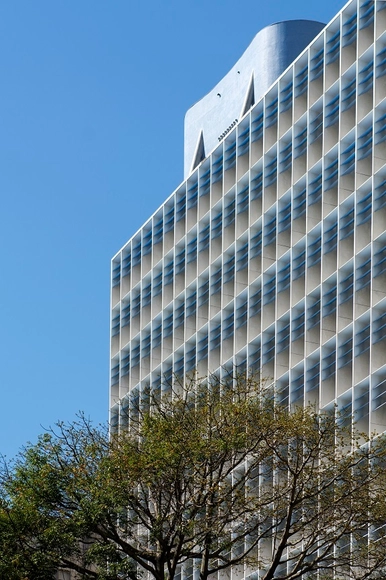
Once again, anyone passing by the bustling Araújo Porto Alegre Street, on the corner of Graça Aranha Avenue in downtown Rio de Janeiro, will be able to marvel at the grandeur of the Gustavo Capanema Palace and understand why it is a Modernist icon, both for Brazil and the world. More than 70 years after the building’s inauguration in 1946, all the innovative design of its facades—introduced by the masters of architecture and art of the 1930s—has been fully restored and will be unveiled by the National Institute of Historic and Artistic Heritage (Iphan) on September 20.
The Docomomo São Paulo Chapter and the Institute of Architecture and Urbanism of the University of São Paulo in São Carlos are hosting the 6th Docomomo São Paulo Seminar, which will take place from September 24 to 26 at the University of São Paulo Campus in São Carlos.
The 6th Docomomo São Paulo Seminar will feature lectures and panel discussions with invited Brazilian and international experts.
MOVE CINE ARTE is a biennial international film festival dedicated exclusively to screening art films and films about art. In alignment with the Venice Architecture Biennale, the 2018 selection is dedicated to films about architecture and urbanism.
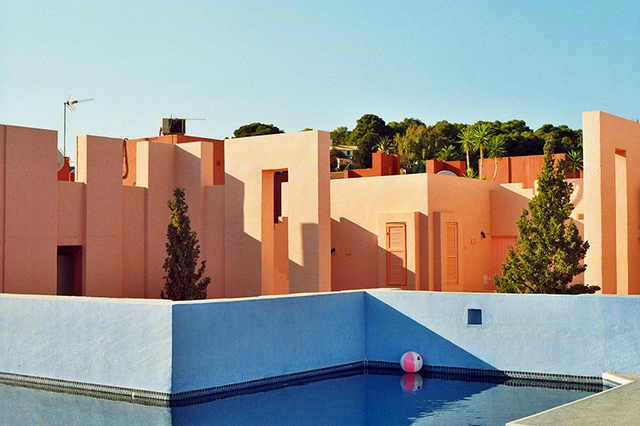
Few residential projects in recent years have attracted as much attention as Ricardo Bofill's Muralla Roja. Completed in 1968, the Mediterranean design has benefited from trends of millennial culture, having served as a backdrop for several photographic essays and even music videos.
With worldwide notoriety, it isn't surprising that residents of the famous pink estate have sought to bar access from the already fortified wall. This, however, was not enough to prevent the Lebanese photographer and architect Anthony Saroufim from venturing through the labyrinthine of corridors and staircases of the Bofill building.
.jpg?1539788811&format=webp&width=640&height=580)



.jpg?1536775885&format=webp&width=640&height=580)