Natasha Olsen

BROWSE ALL FROM THIS AUTHOR HERE

What are the best cities in the world for pedestrians?

Subscriber Access | 

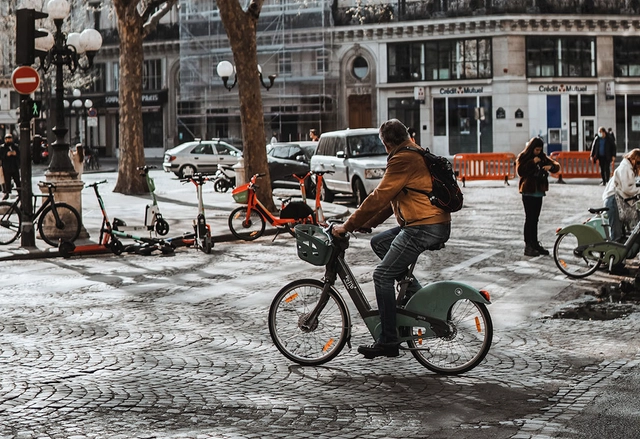
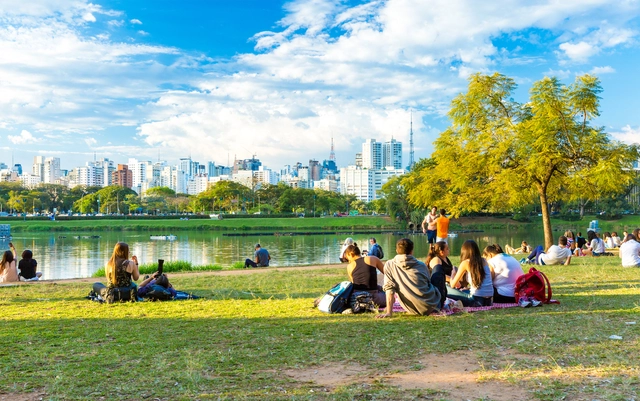
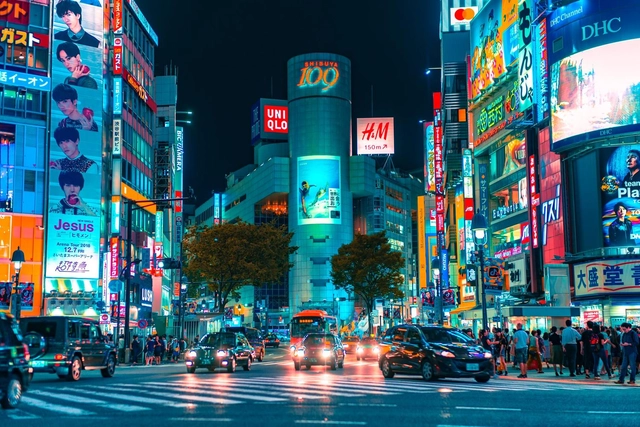
A recently published study by the Institute for Transportation and Development Policy (ITDP) reveals the world's best cities for those looking to avoid driving to access basic services, such as schools and healthcare centers, alongside pedestrian access to other amenities.

Among the top-ranked cities for pedestrians are London, Paris, Hong Kong, and Bogotá. More than a thousand cities were evaluated based on the access they offer to those who need to find goods and services relying solely on their own feet. According to the report, US cities are among the least pedestrian-friendly, due to their urban sprawl.

What are the best cities in the world for pedestrians? - Image 1 of 4What are the best cities in the world for pedestrians? - Image 2 of 4What are the best cities in the world for pedestrians? - Image 3 of 4What are the best cities in the world for pedestrians? - Image 4 of 4What are the best cities in the world for pedestrians? - More Images+ 1

Portugal spends six days using 100% clean energy

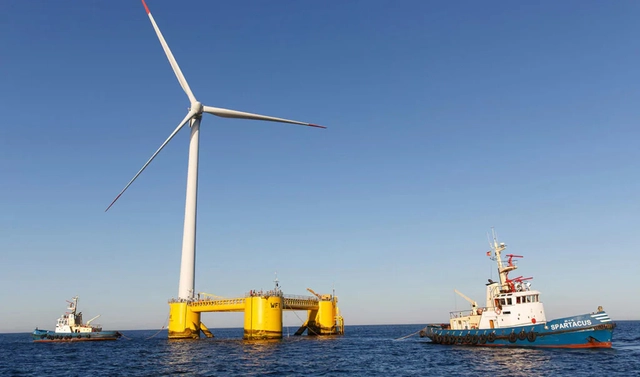
Between October 31 and November 6, 2023, Portugal produced more than enough renewable energy to meet the entire country's demand. While fossil fuel plants were still operational, the clean energy generated was more than sufficient to supply the grid. Consequently, consumer electricity rates dropped drastically.

One in three streets in central Barcelona will be transformed into green axes

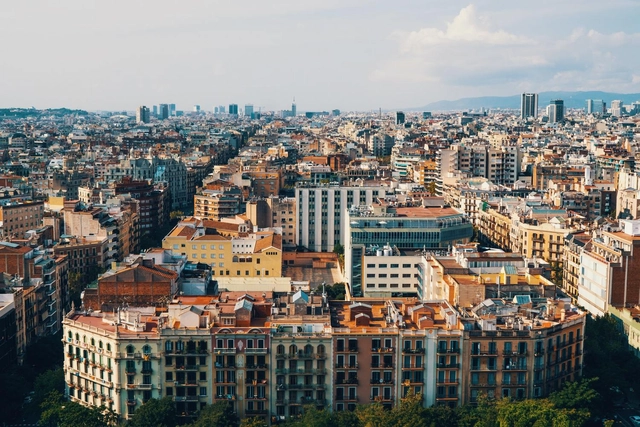
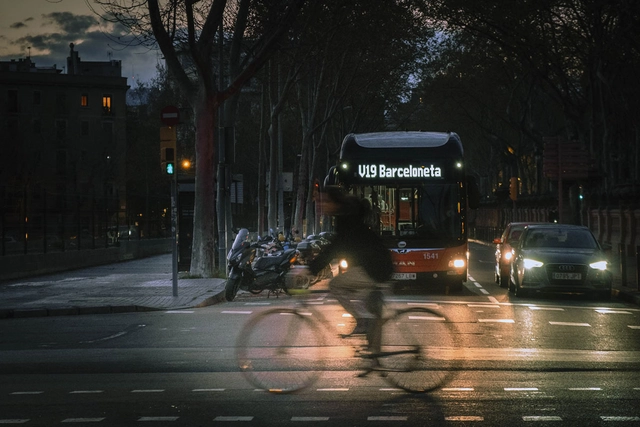
One in three streets in the city center of Barcelona will be transformed into a green axis to prioritize pedestrians and cyclists over cars. Along these streets, 21 intersections will be converted into public spaces so that everyone in the area has access to a park less than 200 meters away.

One in three streets in central Barcelona will be transformed into green axes - Image 1 of 4One in three streets in central Barcelona will be transformed into green axes - Image 2 of 4One in three streets in central Barcelona will be transformed into green axes - Image 3 of 4One in three streets in central Barcelona will be transformed into green axes - Image 4 of 4One in three streets in central Barcelona will be transformed into green axes - More Images+ 1

Solar panels are produced from food waste

Photovoltaic panels are increasingly gaining ground as a clean, renewable energy source. However, many of these systems only work under certain conditions—solar panels rely on direct sunlight, and photovoltaic plants are horizontal developments that require large areas.

The solution to these limitations may have been found by a 27-year-old Filipino student. Carvey Ehren Maigue, from Mapua University, developed a system that converts UV radiation into visible light to generate electricity. AuREUS System Technology, as it has been named, is a material that can be applied to pre-existing surfaces or structures.

Solar panels are produced from food waste - Imagen 1 de 4Solar panels are produced from food waste - Imagen 2 de 4Solar panels are produced from food waste - Imagen 3 de 4Solar panels are produced from food waste - Imagen 4 de 4Solar panels are produced from food waste - More Images+ 2

Study assesses the environmental impact of different modes of transportation

A study conducted by Fundação Espaço ECO and Instituto Akatu seeks to understand the impact of urban mobility based on Brazilian conditions. The research used the Life Cycle Assessment (LCA) methodology to analyze the different modes of transportation used in cities across their entire chain: equipment production, transport across the chain, use, maintenance, and disposal.
The city of São Paulo was chosen as the focus due to its diverse transit options and population consumption habits, along with access to existing and secondary databases to gather the information that enabled the analysis.

How do forests ensure water for cities?

Subscriber Access | 

Water is an essential resource for human life. Ensuring basic sanitation and clean drinking water is one of humanity's greatest challenges. In both urban and rural areas, access to water is critical for the health and well-being of communities and for the success of a wide range of human activities. 

This is why the water crisis is such an alarming threat. Rising global temperatures and natural disasters associated with climate change contribute to this scenario. Studies suggest that by 2025, approximately 1.8 billion people will face water scarcity.

France offers money to those who trade in cars for electric bicycles

France is investing in initiatives to combat climate change, including shifting to more sustainable modes of transport. Owners of older cars can now receive a government subsidy of up to 2,500 euros to trade in their vehicles for electric bicycles. 

“For the first time, it is recognized that the solution is not to make cars greener, but simply to reduce their number,” noted Olivier Schneider of the French Federation of Bicycle Users.

Alliance proposes nature-based solutions for Brazilian cities

Subscriber Access | 

Eight organizations working toward Brazil's sustainable development are joining forces to promote Nature-Based Solutions (NBS) as a strategy to mitigate the effects of climate change in cities, address urban challenges, and make cities more resilient.

The term is relatively recent and still little known to the general public in the country. However, the concept, established by the International Union for Conservation of Nature (IUCN), is simple: to promote interventions inspired by healthy ecosystems to address urgent societal challenges, especially in large metropolises. Water scarcity, flooding, biodiversity loss, health issues, and rising sea levels are some of the challenges that can be tackled by viewing nature as part of the solution, generating environmental, social, and economic benefits.

Wooden houses are built with LEGO-like blocks in Belgium

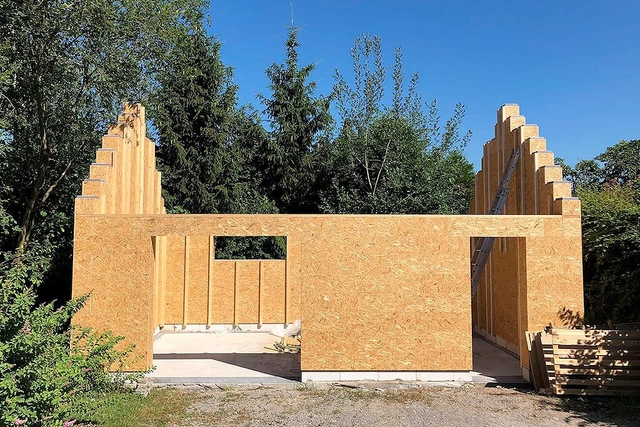
Anyone who has played with wooden blocks or the famous LEGO toy knows the satisfaction of imagining something and building it with their own hands. In Belgium, this concept has taken on a whole new scale. Construction specialist Gabriel Lakatos has always loved playing with blocks and turned this passion into a building system for wooden houses. His company, Gablok, sells home construction kits designed to make building simple and efficient.

Wooden houses are built with LEGO-like blocks in Belgium - 1 的图像 4Wooden houses are built with LEGO-like blocks in Belgium - 2 的图像 4Wooden houses are built with LEGO-like blocks in Belgium - 3 的图像 4Wooden houses are built with LEGO-like blocks in Belgium - 4 的图像 4Wooden houses are built with LEGO-like blocks in Belgium - More Images+ 1

Project teaches bioconstruction to women

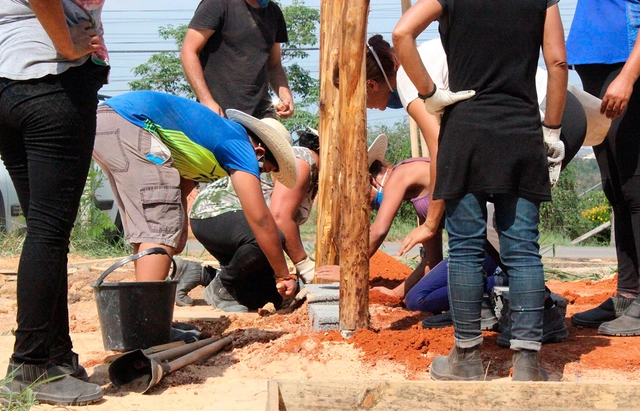
According to data from the Global Media Report, in 2014, 330 million families were financially threatened by housing costs, a figure projected to rise to 440 million by 2025. Not only have these projections been confirmed, but the crisis triggered by COVID-19 is likely to drive that number even higher. 

While Brazil's socially and economically vulnerable population already faced a severe housing crisis, the situation has since worsened. According to a national survey by the Institute for Applied Economic Research (IPEA), in March 2020, at the very beginning of the pandemic, there were already over 221,000 people experiencing homelessness.

Project teaches bioconstruction to women - Image 1 of 4Project teaches bioconstruction to women - Image 2 of 4Project teaches bioconstruction to women - Image 3 of 4Project teaches bioconstruction to women - Image 4 of 4Project teaches bioconstruction to women - More Images+ 2

Barcelona Offers Free Public Transit for Those Who Give Up Their Cars

Subscriber Access | 

The search for more efficient and sustainable modes of transportation in urban centers has been gaining ground in several cities worldwide. With the pandemic, the benefits of cycling have been proven, and many municipalities have invested in bike lanes and incentives to keep people pedaling, even after the lifting of COVID-19 restrictions.

The use of public transit, another alternative that is more sustainable than private vehicles, becomes safer as vaccination efforts progress. In Barcelona, to further encourage people to abandon their cars—especially older ones—the city administration is offering a free three-year transit pass to residents who get rid of their old vehicles.

Auckland to introduce climate tax to make the city more sustainable

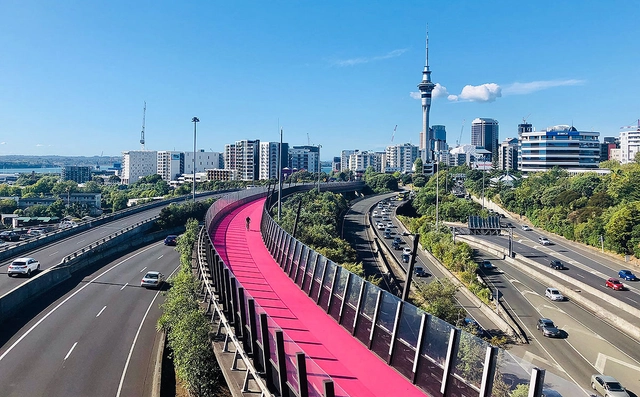
Homeowners in Auckland, New Zealand's largest city, will begin paying a “climate tax.” With this revenue, the city council will invest in environmental solutions to improve residents' quality of life and help the city reduce greenhouse gas emissions.

How to design your own greenhouse

Subscriber Access | 

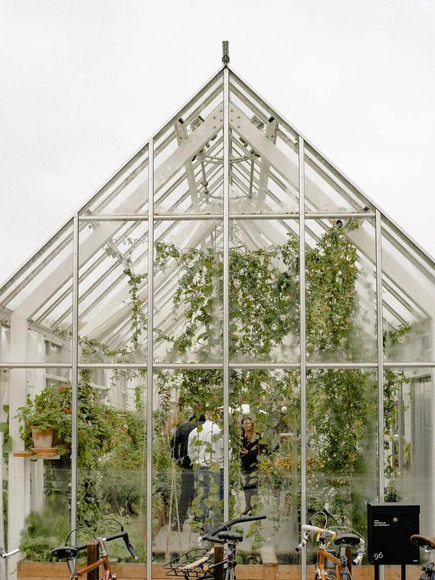
Anyone who enjoys growing food or cultivating plants knows that a greenhouse can be invaluable in many scenarios. Whether to protect plants from the cold, shelter wind-sensitive species, or nurture sprouts and seedlings before they are transplanted elsewhere.

Having your own greenhouse requires space. While there are plenty of ready-made options and professional builders available, you can also use your creativity, time, and dedication to construct your own greenhouse.

How to design your own greenhouse - Image 1 of 4How to design your own greenhouse - Image 2 of 4How to design your own greenhouse - Image 3 of 4How to design your own greenhouse - Image 4 of 4How to design your own greenhouse - More Images+ 1

Japan to Eliminate Gasoline Cars by 2035

The days of gasoline-powered cars are numbered in Japan. Indeed, within 15 years, the country will phase out vehicles that run on gasoline. Announced by the Japanese government in late 2020, the measure is part of its goal to reach net-zero carbon emissions by 2050.

The green growth strategy also aims to generate $2 trillion a year through the adoption of new energy sources, such as hydrogen, and the expansion of sustainable industries.

Colombian startup uses coffee waste to build affordable housing

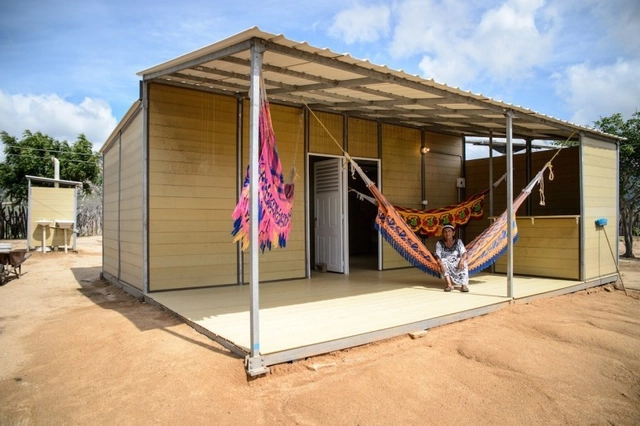
Among the social challenges facing Colombia is the lack of decent housing for a large portion of the population. A survey by the country's population statistics center revealed that 35% of Colombians live in poverty, lacking access to adequate living conditions.

For construction startup Woodpecker, the answer to this problem might lie in another national challenge: agricultural waste from coffee production, as Colombia is one of the world's largest coffee producers.

Without Tourists, Venice's Canals Run Crystal Clear Again

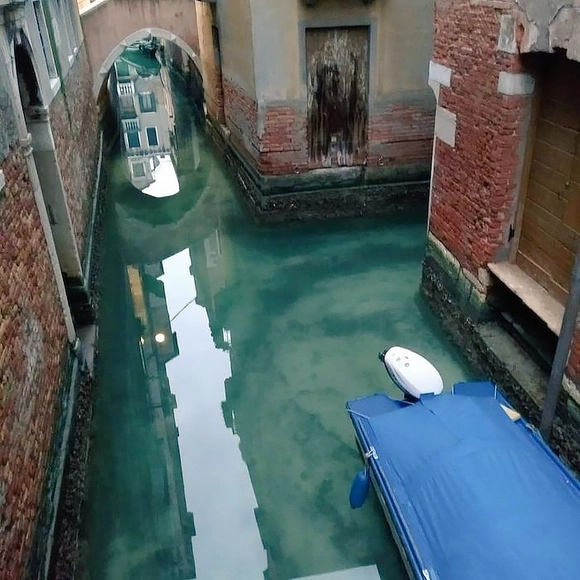
The spread of the coronavirus is affecting the entire world, and difficult times lie ahead. However, as people's movement decreases, many cities are experiencing a significant reduction in their environmental issues.

What happens to a solar panel when it reaches the end of its lifespan?

Subscriber Access | 

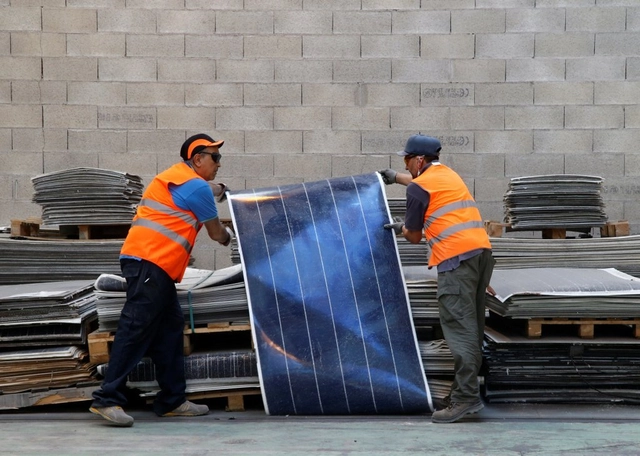
Whenever we think of solar panels, the concept of sustainability immediately comes to mind. They are undoubtedly an effective solution for generating renewable energy; however, what few people realize is that solar panels are incredibly difficult to recycle. While this drawback should not discourage their adoption in buildings and solar power plants, it underscores that sustainability must remain a constant focus for these products, even after they stop working.

NASA study shows which countries emit the most CO2 in the world

Subscriber Access | 

To calculate the amount of CO2 emitted by each country, the traditional method considers emissions from each sector of a nation's economy using a “bottom-up” approach, relying on data collected on the ground. However, a new approach to answering this question utilizes satellite data from NASA.