Archivo de Ideas Recibidas is an interdisciplinary research and dissemination project that aims to document and connect the ideas of those contributing to the contemporary creative ecosystem through art, design, and architecture. It is built upon conversations between the team and various creators, exploring topics related to memory, academia, cultural context, key influences, and working methodologies. On this occasion, they share with us an interview with Cristina Dreifuss on architectural Criticism, Theory, and History.
Fabian Dejtiar
Architect and Project - Team Lead at ArchDaily Instagram: @ fabe.de
BROWSE ALL FROM THIS AUTHOR HERE
↓
Archive of Received Ideas: Cristina Dreifuss / Criticism, Theory, and History of Architecture
https://www.archdaily.com/1127832/archive-of-received-ideas-cristina-dreifuss-criticism-theory-and-history-of-architectureFabian Dejtiar
Occupying Time within Three Houses by Cazú Zegers
The team at Cazú Zegers Arquitectura gave us an inside look at their three Chilean projects--Ye house, Llu House, and Fire House. The film, completed by ClaraFilms, seeks to capture the human dimensions of the homes and centers on how spaces are inhabited throughout time.
Clara Larraín, one of the team members, wrote the following text to accompany the architect's vision of encapsulating the feeling of the three videos into one poetic montage:
https://www.archdaily.com/971453/occupying-time-within-three-houses-by-cazu-zegersFabian Dejtiar
The Builder of Ruins: An Unfinished House by Paco Alonso
"Domingos Libro" is hosted by Carmelo from Enorme Studio, where every two weeks, he delves deeply into forgotten architectural publications, books, and architectural magazines from the '60s, '70s, and '80s that carry the most interesting stories behind them.
This latest episode focuses on the 1989 double issue 181/182 of the Catalan magazine QUADERNS, specifically examining an unfinished house by Paco Alonso, an architect from the Madrid School who never completed any of his works and was once dubbed "The Builder of Ruins" by a colleague.
https://www.archdaily.com/1128283/the-builder-of-ruins-an-unfinished-house-by-paco-alonsoFabian Dejtiar
BAAG: "We Challenge the Needs of the Market, We Reinterpret Its Limitations"
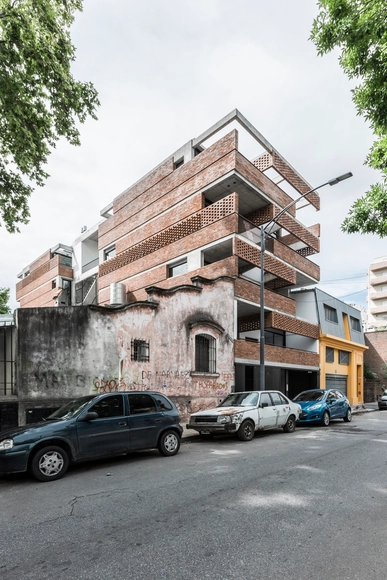
Since 2008, the BAAG Studio, or Buenos Aires Architectura Grupal, has demonstrated that taking the time to collectively think, experiment, and rethink, not only reinforces architecture as a discipline, it advances it. The group's projects and research have added to the shared-practice-driven critical thinking that has become increasingly essential within the profession.
We sat down with BAAG to hear more about their inspiration, processes, education, and their predictions going forward.
https://www.archdaily.com/970468/baag-we-challenged-ourselves-to-question-the-needs-of-the-market-and-to-reinterpret-limitsFabian Dejtiar
"Form follows all functions," our readers share their thoughts on adaptability in architecture
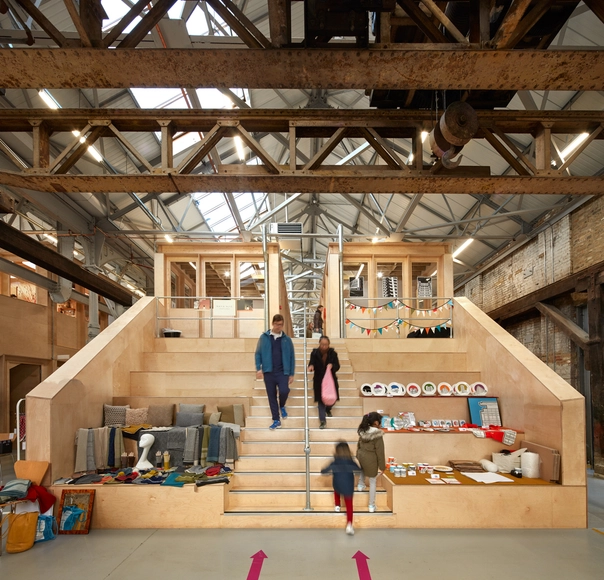
Out of necessity, various building types have changed their use. Churches converted into libraries, abandoned warehouses turned into cultural centers—and while much has been written on the subject, from N. John Habraken's 1970s Open Building concept to Adamo Faiden's contemporary From Mixed-Use to Diff-Use, today we have, more than ever, an engaging global debate surrounding adaptability in housing. Is it truly necessary to dedicate so many square feet to office space when the pandemic proved that most work can be done remotely? This was one of the central questions during the lockdowns of recent years.
https://www.archdaily.com/1128244/form-follows-all-functions-our-readers-share-their-thoughts-on-adaptability-in-architectureFabian Dejtiar
Archive of Received Ideas: Mariana Otero / PUNA
Archivo de Ideas Recibidas is an interdisciplinary research and dissemination project that seeks to document and connect the ideas of individuals who contribute to the contemporary creative ecosystem from the fields of art, design, and architecture. It is built on conversations between the team and various creators, exploring topics related to memory, academia, cultural context, key influences, and working methodologies. On this occasion, they share their interview with designer Mariana Otero, who, alongside Yerko Zlatar, leads the design and interior design studio PUNA, based in Lima, Peru.
https://www.archdaily.com/1128063/archive-of-received-ideas-mariana-otero-punaFabian Dejtiar
Vivo mi Calle (Despacio): The City at a Safe Speed
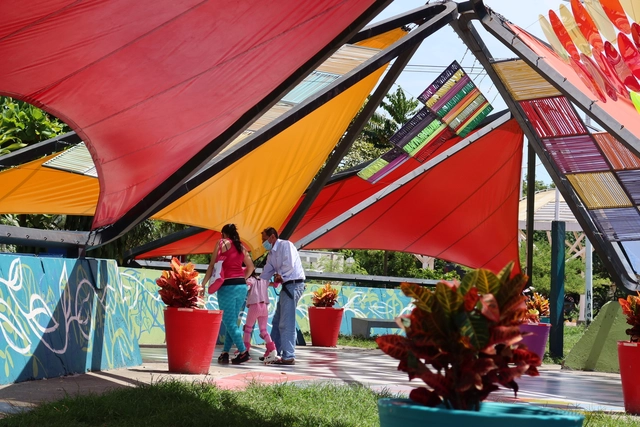
“Despacio” challenges intuitive thinking about cities, life, and the climate. Based in Colombia, this organization seeks to find ways to experience the city at an appropriate pace, moving toward a humane and sustainable urban space. It supports urban climate change mitigation and adaptation through actions in both the public and private spheres, while fostering individual, family, and professional well-being at every stage of life.
“Vivo mi Calle” is one of its participatory initiatives—recently awarded the FIIU 2021 Ocupa Prize—which promotes the right to healthy cities by creating public spaces and safe routes alongside youth. The initiative consists of a series of urban interventions in the city of Cali, carried out in collaboration with local children and adolescents, with the aim of transforming these areas into safe spaces for community gathering, learning, and neighborhood integration.
In the following interview with Natalia Lleras, director of the Vivo Mi Calle project, we discuss the different facets of their work, their recognition, their motivations, and the initiative's future outlook.
https://www.archdaily.com/1128210/vivo-mi-calle-despacio-the-city-at-a-safe-speedFabian Dejtiar
This Too Shall Pass: The Story Behind the Museum of the Ephemeral and the Sacred in Taccone
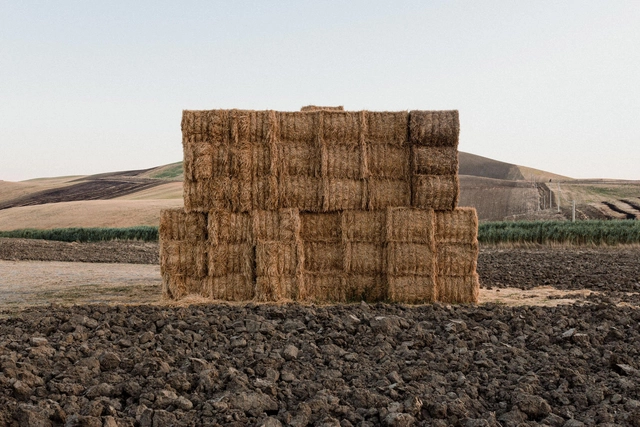
Carlos Hevia Riera is a Chilean architect and photographer driven by highlighting the value of daily life in rural and isolated territories. In this context, his latest project, 'Esto también pasará. Taccone città effimera' (This Too Shall Pass: Taccone, Ephemeral City), is the result of his artistic residency in Taccone, in the municipality of Irsina, from August to October 2019. This residency enabled him not only to build a temporary museum made of straw bales but also to uncover a surprising and little-known history.
In the following interview, he shares an in-depth look at his work, from his initial impressions to each of the steps behind this collective construction of memory.
https://www.archdaily.com/1127663/this-too-shall-pass-the-story-behind-the-museum-of-the-ephemeral-and-the-sacred-in-tacconeFabian Dejtiar
Building Respect: The Production Design Behind Aretha Franklin's Biopic
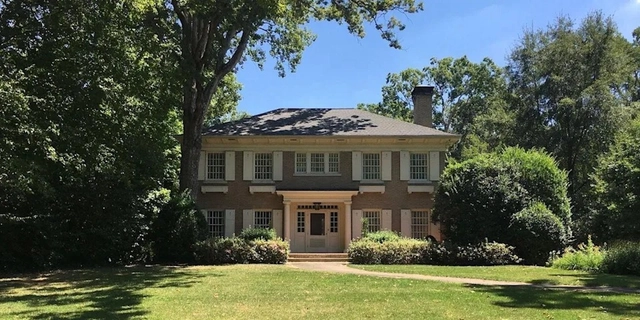
If you haven't seen Respect, I highly recommend it. The Liesl Tommy-directed biographical film based on the life of American singer Aretha Franklin visually takes us back to the 1960s through a successful set work. Here, Production Designer, Ina Mayhew had the job of creating a series of locations where color palettes undoubtedly evoke more than emotions: Her suburban home from her childhood in Detroit, the sassy jazz clubs of New York City, her luxurious Upper West Side apartment, and finally her ultramodern home in Los Angeles.
https://www.archdaily.com/969699/building-respect-the-production-design-behind-aretha-franklins-biopicFabian Dejtiar
Open Architectures: How to Design for Changing Uses?

Out of necessity, buildings change uses over time. Churches become libraries, and abandoned warehouses are transformed into cultural centers. Although much has been written on the subject since N. John Habraken's concept of open building in the 1970s, a fascinating global debate is currently underway. Do we really need so much square footage dedicated to offices when the pandemic proved that much of our work can be done remotely?
https://www.archdaily.com/1128268/open-architectures-how-to-design-for-changing-usesFabian Dejtiar
15 micro-documentaries showcase the most relevant modern architecture in Chile's Central Valley
'Experiencias del Espacio Moderno en el Valle Central de Chile' is a project by Glenn Deulofeu, a professor at the University of Talca School of Architecture.
Developed in collaboration with the university's Heritage Documentation Center, the project features 15 micro-documentaries on the most relevant and enduring works of modern architecture currently standing in this region of the country.
Watch the videos and discover the history through Deulofeu's words below.
https://www.archdaily.com/1128217/15-micro-documentaries-showcase-the-most-relevant-modern-architecture-in-chiles-central-valleyFabian Dejtiar
Building with Fungi in Argentina: The Mycelium-Based Fungal Shelter in Bariloche

What if we told you that fungi could be the future of building materials? The possibilities of mycelium in architecture are becoming increasingly tangible, thanks to its capacity to be molded into everything from furniture and packaging to insulation panels and bricks. It offers excellent acoustic and thermal properties, along with remarkable fire resistance.
In Argentina, this is already a reality. Refugio Fúngico is a recent experimental biotechnological research and development project led by SUPERPRAXIS. It takes the form of a temporary installation in the city of San Carlos de Bariloche, crafted from a biomaterial made from organic waste and mycelium.
https://www.archdaily.com/1128236/building-with-fungi-in-argentina-the-mycelium-based-fungal-shelter-in-barilocheFabian Dejtiar
Maulina Architecture: "If students and young professionals believe in their work, they should aim to publish their projects"
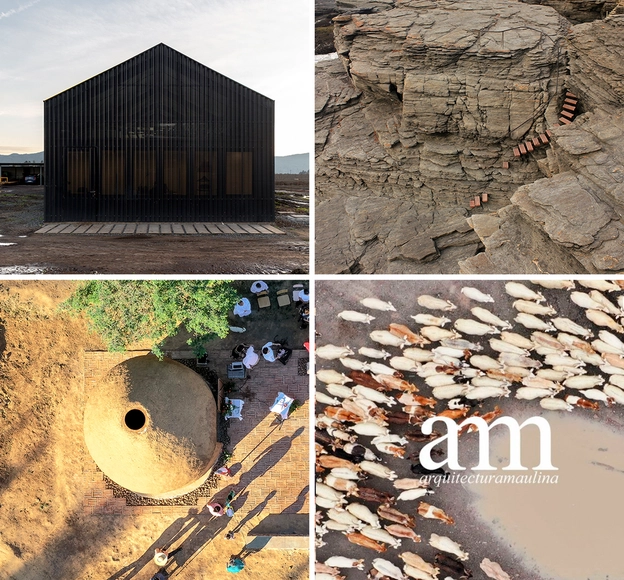
For years, the Talca School of Architecture has played a major role in highlighting the architectural value of the Maule Region in south-central Chile. It is here that the new publishing project Arquitectura Maulina has chosen to continue this path, not only by showcasing some of its own productions but also by publishing articles by professionals, students, and photographers. Their goal is to foster dialogue, prompt questions, and document how we observe this territory and what we ought to do for its benefit.
In the following interview, they share their inspiration when approaching this topic, alongside reflections on academia and the discipline in the region.
https://www.archdaily.com/1127809/maulina-architecture-if-students-and-young-professionals-believe-in-their-work-they-should-aim-to-publish-their-projectsFabian Dejtiar
Carme Pinós on Heritage and Modernity: "Respect for the past, but looking toward a better future"
.jpg?1634904973&format=webp&width=640&height=580)
After dedicating its 2017 main exhibition to the firm RCR Arquitectes and its 2019 edition to the design of the Ulm School and the Braun company, the third edition of the Mugak International Architecture Biennial of the Basque Country will focus on the work of Carme Pinós.
With 'Heritage and Modernity’ as the central theme, curator José Ángel Medina Murua previously highlighted "Carme's ability to amplify all the values with which she acts, working with her surroundings in a way that benefits and improves all elements."
Ahead of the official opening, we present an interview with Carme Pinós discussing her participation in this year's biennial.
https://www.archdaily.com/1128309/carme-pinos-on-heritage-and-modernity-respect-for-the-past-but-looking-toward-a-better-futureFabian Dejtiar
Archive of Received Ideas: Manuel de Rivero / 51-1 Architects + Supersudaca
Archivo de Ideas Recibidas is an interdisciplinary research and dissemination project that seeks to record and connect the ideas of figures contributing to the contemporary creative ecosystem from the fields of art, design, and architecture. It is built upon conversations between the team and various creators, exploring themes related to memory, academia, cultural context, key influences, and working methodologies. On this occasion, they share their interview with architect and urbanist Manuel de Rivero, co-founder of 51-1 Arquitectos, an architecture studio based in Lima, Peru, and Supersudaca, an international urban research collective.
https://www.archdaily.com/1127977/archive-of-received-ideas-manuel-de-rivero-51-1-architects-plus-supersudacaFabian Dejtiar
Rights to the City and Urban Conflicts in Latin America: What Can Be Done?
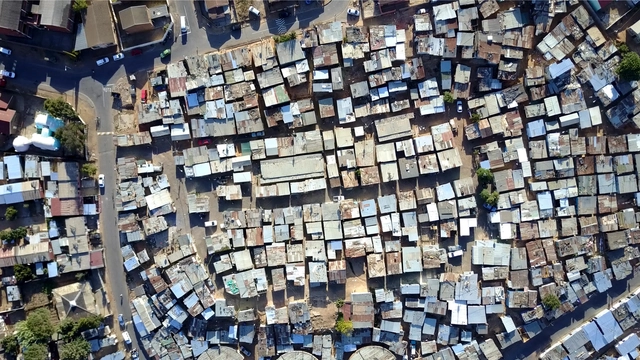
María Cristina Cravino, the head of numerous research projects and publications on informal settlements and the politics of public habitation, draws from her background in anthropology to become one of the most prominent voices in the discussion about rights to the city and modern urban conflicts.
To get her perspective, we sat down with Cravino to discuss her observations and understanding of the issue--especially in the context of quarantine and lockdowns--as well as her reflections on the role of academia in exploring the problem and finding solutions.
https://www.archdaily.com/969541/rights-to-the-city-and-urban-conflicts-in-latin-america-what-can-be-doneFabian Dejtiar
José Ángel Medina on "Heritage and Modernity": Exploring the Theme of the Euskadi International Architecture Biennial, Mugak 2021
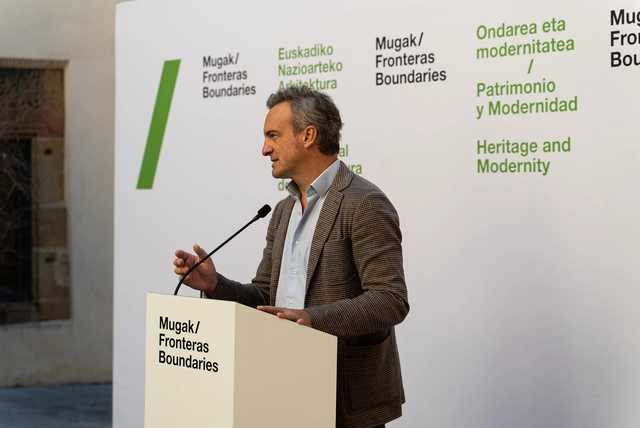
José Ángel Medina Murua is the curator of the third edition of the Mugak Basque Country International Architecture Biennial — one of the most significant architectural events in northern Spain. Taking place throughout November in Donostia, Bilbao, and Vitoria, the biennial will feature over fifty exhibitions, lectures, screenings, and workshops.
Ahead of the official opening, we present an interview with Medina to discover what lies in store for this latest edition.
https://www.archdaily.com/1128066/jose-angel-medina-on-heritage-and-modernity-exploring-the-theme-of-the-euskadi-international-architecture-biennial-mugak-2021Fabian Dejtiar
Smiljan Radic and Javier González Pesce Disappear an Art Gallery in Chile
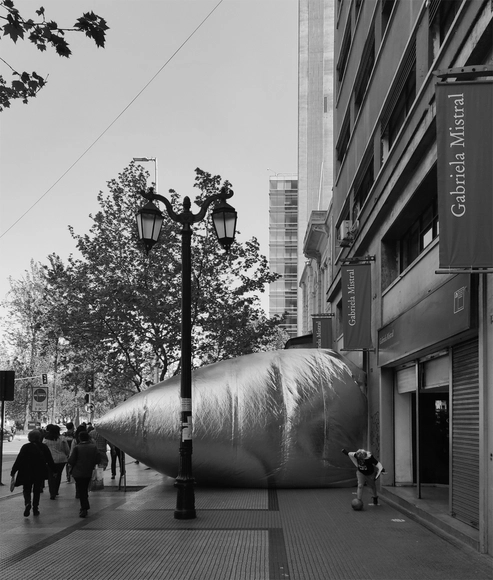



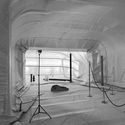

An inflatable and soft body—a silver balloon—scatters towards the sidewalk in the heart of Santiago, Chile. People walk by touching the strange artifact, curiously looking at the object moving over the public space. Behind the pillow, the Gabriela Mistral Gallery disappears.
https://www.archdaily.com/970277/smiljan-radic-and-javier-gonzalez-pesce-disappears-a-gallery-in-this-interventionFabian Dejtiar