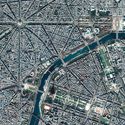
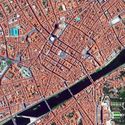
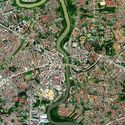
The Thames, the Danube, the Seine, the Nile, the Hudson—all of these names immediately evoke specific cities. This is because discussing the history of urban planning inherently means exploring the relationship between the city and the river, as waterways are fundamental natural elements around which many cities were founded. This is primarily due to the utilitarian nature of water bodies, which, in addition to defining—and consequently protecting—cities, provided water supply and served to transport raw materials and goods. The river, therefore, functioned as an urban backbone, fostering activity along its banks and driving economic and social development.




















.jpg?1635426678 "Serpentine Pavilion / BIG. © Iwan Baan")