Historically associated with factories and industrial buildings in general, exposed building services have increasingly been adopted in other typologies in recent years, including residential architecture. Conduits, plumbing, and other elements used in building systems—long relegated to the background, concealed behind walls and ceilings—can actually serve as key features of an architectural concept.
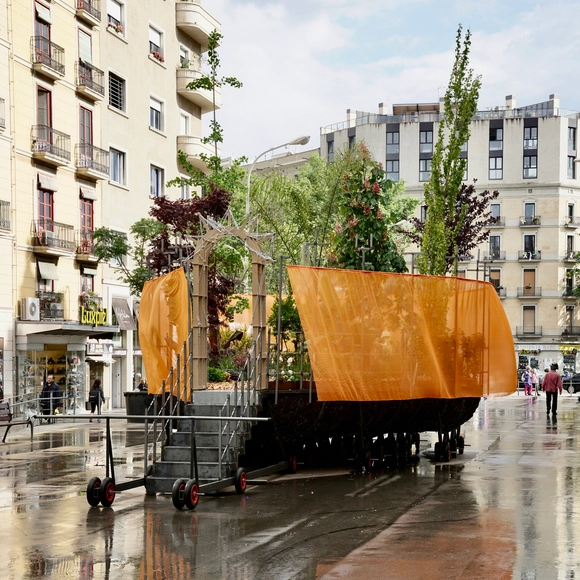
Arca de Convivencia / LEA Atelier + TAKK . Image Cortesía de Festival Model
"Arca de Convivencia" is a temporary installation designed by LEA Atelier and TAKK Architecture for the Model Festival—an event that, for ten days in May, turned the city of Barcelona into a testing ground for experimentation and debate. Located on Ronda de Sant Antoni, this mobile artifact houses a multitude of trees, plants, shrubs, and insects, reminding us of the urgent need to create public spaces that reverse the effects of global warming and foster biodiversity.
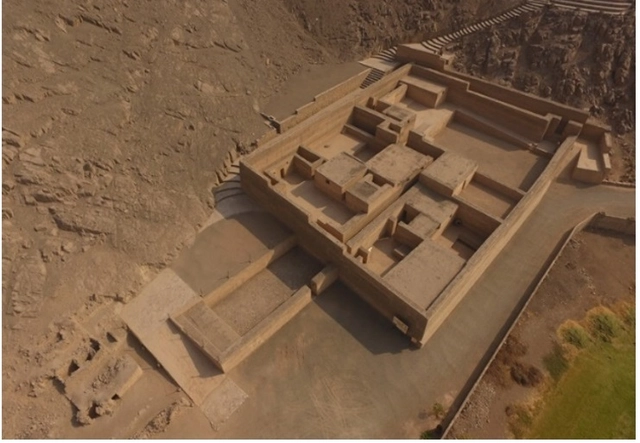
Palacio de Puruchuco. Image Cortesía de Norma León Lescano
Peru is a country with an extensive, rich, and deeply significant archaeological heritage. Unfortunately, the passage of time has brought severe deterioration. In their article, "Captura de datos 3D para virtualizar el patrimonio cultural" (3D Data Capture to Virtualize Cultural Heritage), authors Norma León Lescano, Yann Barnet, and Alvaro Racchumi outline the method they used to capture a three-dimensional replica of the Palace of Puruchuco. By doing so, they aim to provide the necessary information to guide and promote the virtualization of this remarkable cultural heritage, expanding its reach, appreciation, and preservation.
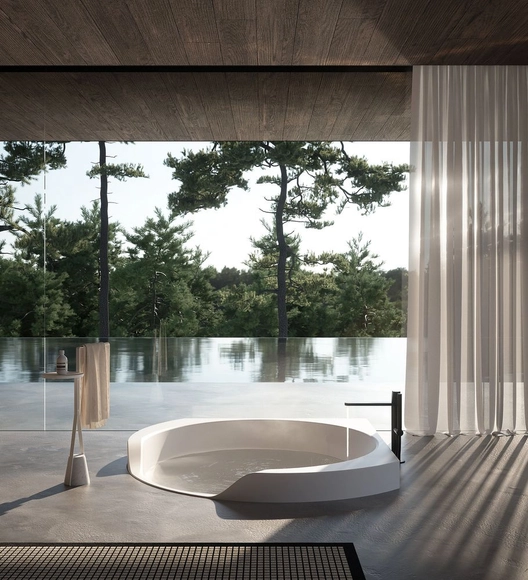
Throughout the years, bathrooms have been viewed as purely functional spaces strictly programmed for hygiene and privacy. Becoming smaller and more practical, the utilitarian, space-saving shower stall has often been considered the norm, pushing the bathtub into obsolescence or as an additional luxury for those with extra space (and money). Recently, however, as lifestyle changes driven by the pandemic have placed wellness as a top priority, the notion of the bathroom as a sanctuary has really taken hold. Contemporary bathrooms have thus been reimagined, shifting towards open spaces of relaxation, comfort and recuperation. And tubs – with their inherent meditative nature – have returned to the spotlight.
On a warm, hazy Sunday afternoon, Nairobi's concrete tenements tower over the city's shanties (or “slums”). Men and women hang laundry from roofs and balconies — making the buildings look like a patchwork quilt, a mosaic of fabric.
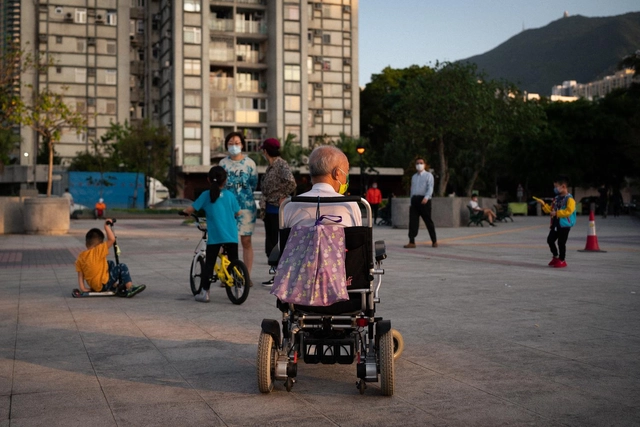
Cities with disabilities are those that present spaces and environments that impede or make it difficult for citizens to access, participate and interact, regardless of any loss or abnormality related to their psychological, physiological or anatomical structure or function. I invite readers to, with me, change the focus of the approach on disabilities, transferring to cities and built environments the inability to meet in a dignified and effective way the diversity of abilities and capacities inherent to human beings.
Located amidst the vegetation, almost invisible to those who see it from the street, a jewel of modern Brazilian architecture is hidden in the São Paulo neighborhood of Jardim América. Casa Zalszupin, designed in 1960 by the Polish architect based in Brazil, Jorge Zalszupin, combines traces of local modernism with influences that the architect brought with him from Europe, notably Scandinavian architecture. In a recent photo series, Paul Clemence sought to capture through this house, "the architect's and designer's essence".
It’s an essential architectural element, one we tend to immediately take note of when we look at buildings new to us – the roof. The roofs that shelter the buildings we see in our cities today are diverse in their typology. Flat roofs are a common sight in the city centers of urban metropolises, hip roofs are a popular choice for dwellings around the world, and the gable roof is arguably the most common of all, a roof type popular in stylized depictions of what a standard house looks like.
We are still at the dawn of the Metaverse, the next wave of the Internet. The current “mainstream” Metaverse platforms serve as experimental containers to host the wildest dreams of virtual worlds where we are supposed to unleash the imagination. However, from a spatial design perspective, they have so far been lame and ordinary. Without the constraints in the physical world, how do we draft the urban blueprints in the metaverse? I believe metaverse planners can find inspiration from Italo Calvino’s Invisible Cities, in which he revealed a poetic and mathematical approach to “urban planning” in the imaginary worlds.
The following applies to all creative disciplines: truly unique, high-quality works of design are almost always the result of certain favourable constellations. This is just as true for directors and musicians as it is for architects and designers. Because great creative ideas can often only be realised in a team, in cooperation with collaborators.
Two years ago, the young Swiss singer, violinist and composer Chiara Dubey released an album entitled 'Constellations'. A starry sky adorns the cover – so here, too, it's about a special interaction that is under a good star. But how, you might now ask, do we get from album covers to a company that makes furniture?
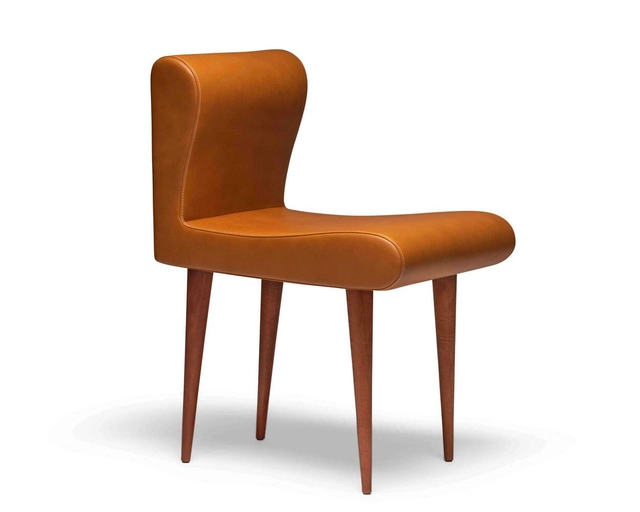
Founded in 2013 and based in Mexico City, David Pompa is a studio comprising designers, engineers, and makers established in Mexico and Austria. David Pompa grew up in both countries and studied product design in London. Over time, the studio has shown a strong interest in traditional materials and techniques, maintaining a commitment to Mexican culture since its inception—a dedication reflected in the creation of aesthetic and accessible design objects. On this occasion, they are presenting a new collection for Milan Design Week 2022 on Via Simone Saint Bon as part of Fuorisalone from June 5 to 12.
More than a trend, industrialization is a necessity in the construction industry. In recent years, we have witnessed its importance in increasing productivity and speed of execution—as well as reducing waste—in architectural projects. Beyond streamlining construction processes, this serial, mechanical, and standardized production increases quality and shortens delivery times. If initial project decisions incorporate the modulation of the various stages that can be industrialized within vertical and horizontal parameters, the outcome is much more efficient than if these are evaluated during construction (when it is no longer possible to reduce waste through modulation). Furthermore, by minimizing waste and reducing the consumption of energy and water resources, it also contributes to a more sustainable industry.
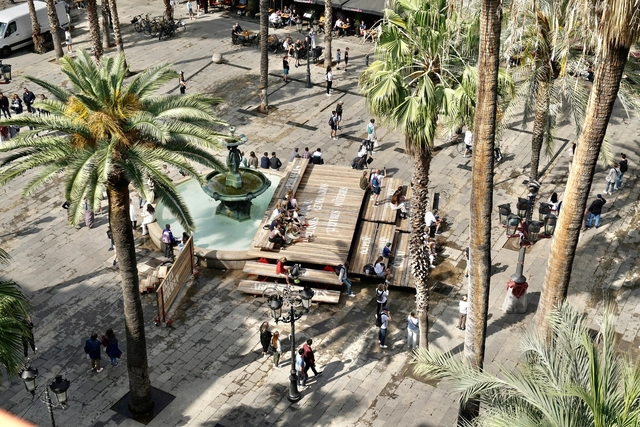
From May 5 to 15, Barcelona's Plaza Real was transformed into one of the hubs for debates on architecture and the city during the MODEL Festival. The ephemeral installation "Occupy the Center with the Word"—led by the ELISAVA Barcelona School of Design and Engineering under the direction of Roger Paez, in collaboration with Manuela Valtchanova, Albert Fuster, and Toni Montes—sought to "create optimal conditions for both encounters and disagreements to take place, always through the spoken word."
The new report from the Intergovernmental Panel on Climate Change highlights nature's immense potential to reduce climate change risks and build resilience. The political landscape has become increasingly supportive of this approach. In 2021, for instance, 137 countries collectively committed to halting forest loss and land degradation by 2030 as part of the Glasgow Leaders' Declaration on Forests and Land Use. Signatories reaffirmed the importance of all forests in adapting to the impacts of climate change and maintaining healthy ecosystem services. Funding pledges quickly followed, including $19.2 billion to protect and restore forests globally.
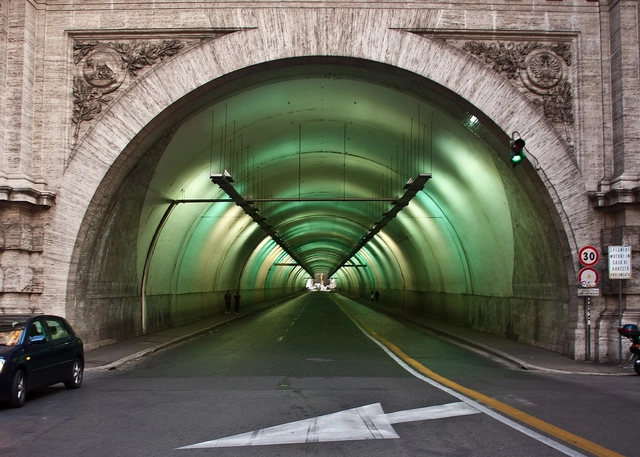
Umberto I Tunnel in Rome. Photo: Andrés Nieto Porras from Palma de Mallorca, España, CC BY-SA 2.0 , via Wikimedia Commons
Smart buildings are more and more on the agenda. For their elaboration, some materials have been developed to meet specific objectives during their use without the need to be operated by any person or equipment. Self-maintenance, cleaning the air, working with the comfort of space, energy efficiency, are just some of the benefits that can be achieved by adopting them.
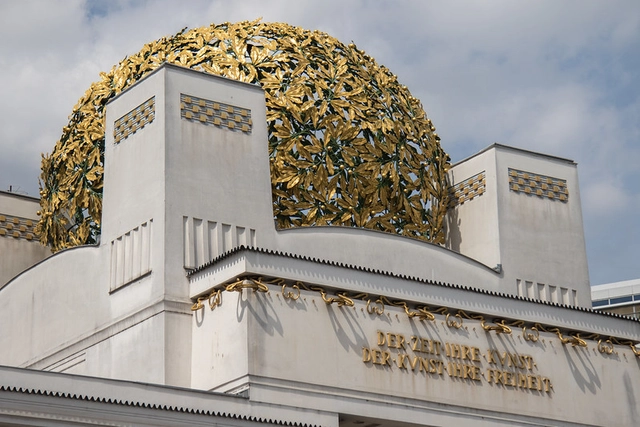
All architecture movements throughout history spur from shifts in society that demand a new style that better reflects the way that technology has advanced the practice and how people express their political, religious, and moral beliefs and practices. While some shifts occur over a period of several years, others are experienced as a sudden revolt. The Vienna Secession was undoubtedly the latter. At the end of the 19th century, a group of artists and architects aimed to explore what art should be as it pertained to filtering global influences in a way that could introduce new modernism.
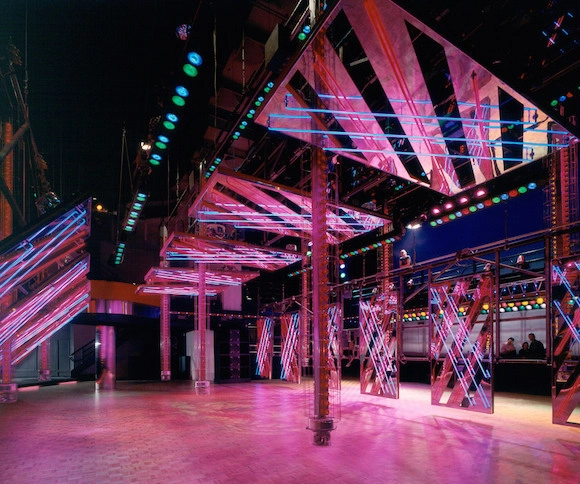
The 1970s shaped many social landscapes that endure to this day. Avant-garde design, fashion, and music are cultural hallmarks that remain in the collective imagination, none more so than the disco scene. However, when speaking of a benchmark that combined these elements and elevated them to their ultimate expression, one must inevitably talk about Studio 54.
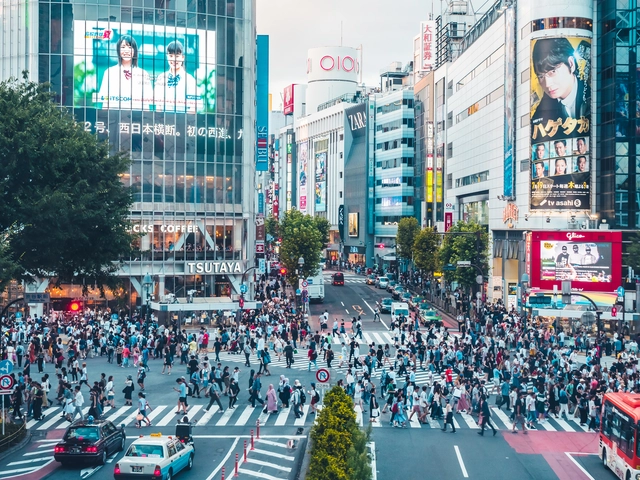
Half of the world’s population now lives in cities, according to UN-Habitat’s latest reports. While this number is set to increase to two-thirds by 2050, urban challenges are growing exponentially, making it more crucial than ever, to transform our cities. Annually, the world population review assesses the growth of cities and the number of residents living in metropolitan areas, to understand global evolution trends. In 2022, the list of the top 20 most populated countries remained similar to the 2021 edition, with a slight change in numbers and positions. Tokyo kept its status as the world’s largest city, with 37 million inhabitants, while Delhi and Shanghai, followed in second and third positions.
Comparing the results to the 2021 edition, the only decrease that can be seen in the top 20, involves both Japanese cities, Tokyo and Osaka. The rest of the list had, on average, a growth of 1.8% in the total of people residing in metropolitan areas. In fact, African cities Kinshasa in the Democratic Republic of Congo and Lagos in Nigeria gathered the highest rates, with respectively a 4.39% and a 3.54% increase in residents in 1 year. The largest city in the American continent is still Sao Paulo in Brazil, followed closely by Mexico City and Buenos Aires in Argentina, further down the table. In Europe, Istanbul is the most populous, with more than 14.5 million residents.



.jpg?1653990029 "Khayelitsha Township - Cape Town. Image © Olga Ernst under the Creative Commons Attribution-Share Alike 4.0 International license.")









.gif?1654012767)