1. ArchDaily
  2. Articles

Articles

Construction Materials that Increase Resilience to Natural Disasters

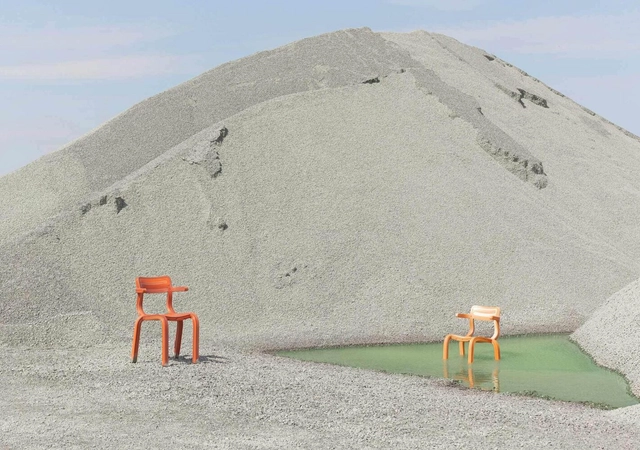
Eucalyptus forests in Australia are known to burn periodically. It is the trees' way of ensuring propagation, as its fruits – known as gumnuts – have an insulating layer breaks down with the heat of the fire. Once they open, the burnt soil is covered with seeds, initiating a process of forest renewal. Glenn Murcutt, an Australian architect, has created a body of work rooted in the country's landscape. His innovative houses embrace the possibility of frequent fires, including elements that allow for fire control with the least possible loss. In short, the houses are built with very non-flammable materials, always have huge water reservoirs, and a “flood system” that allows the building and its immediate surroundings to be spared in the case of a forest fire.
Subscriber Access

Working Remotely, Ukrainian Designers Get a Lifeline From U.S. Firms

Since the beginning of the war on Ukraine, over 7.1 million people have been internally displaced within the country, with over 139 sites affected by the ongoing hostilities, including 62 religious sites, 12 museums, 26 historic buildings, 17 buildings dedicated to cultural activities, 15 museums, and seven libraries. Two new programs; Support by Design and Hireukrainiandesigners.org have joined forces to help provide remote jobs for designers in the war-torn country.

Request for Proposal: Design Competition for the Marine, Business, Research and Innovation Center (MBRIC) in Ceiba, Puerto Rico

 | Sponsored Content

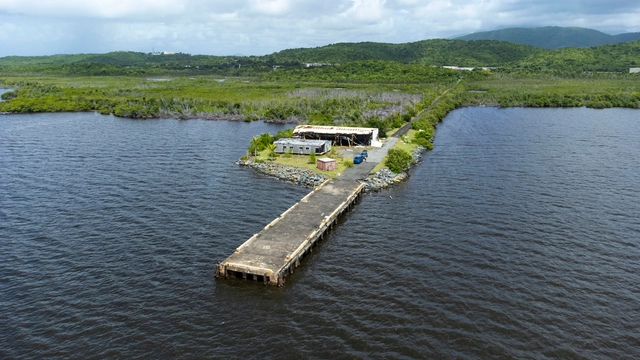
Puerto Rico’s Local Redevelopment Authority for Roosevelt Roads (LRA) is issuing a Request for Proposals (RFP #2022-004) through a Design Competition. The objective for this RFP is to obtain proposals from qualified architectural and engineering firms able to provide a full range of services – including studies, design, sustainability design, permits procurement and other services – for the development and construction of the Marine Business, Research and Innovation Center (MBRIC). Located in the eastern region of the island - specifically in the former Coast Guard Pier in Roosevelt Roads, Ceiba, municipality - the project will be developed in conjunction with Bluetide Puerto Rico, Inc., which collaborated with the LRA in the development of the program, as well as in establishing the needs and requirements necessary for the development of MBRIC. Bluetide will be responsible for overseeing the operation and maintenance of the facilities.

Monumental Question: How Are the Places of Memory in the Future of Cities?

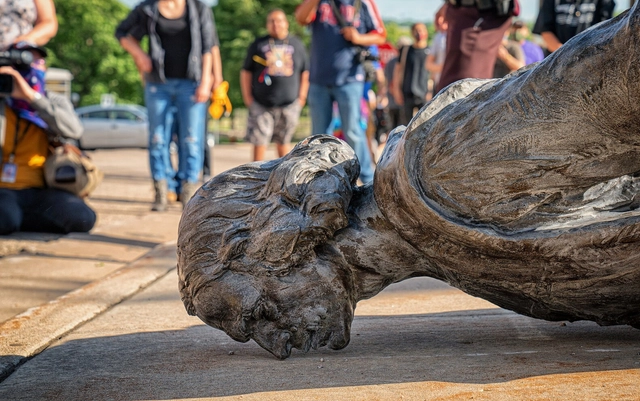
What is the story that your city's public space tells? Who are the people honored in monuments scattered throughout it? Issues like these have led to a series of insurgencies in recent years in several cities. The notions of memory and representation have expanded the reflection on which narrative we build in our spaces, a fact that has triggered an urban question for the future: after all, what do we want to remember (or forget) through the symbols that we rise (or destroy) in cities?

Monumental Question: How Are the Places of Memory in the Future of Cities? - Imagen 5 de 4Monumental Question: How Are the Places of Memory in the Future of Cities? - Imagen 1 de 4Monumental Question: How Are the Places of Memory in the Future of Cities? - Imagen 2 de 4Monumental Question: How Are the Places of Memory in the Future of Cities? - Imagen 6 de 4Monumental Question: How Are the Places of Memory in the Future of Cities? - More Images+ 3

Envisaging the Future of Cities: UN-Habitat Launches the 2022 World Cities Report

UN-Habitat has just released its annual World Cities Report during the eleventh session of the World Urban Forum, which took place in Katowice, Poland from June 27 until June 30, 2022. Titled “Envisaging the Future of Cities”, the 2022 release highlights insights on the future of the urban realm, based on “existing trends, challenges, and opportunities, as well as disruptive conditions, including the valuable lessons from the COVID-19 pandemic”. In fact, it seeks to present cities with ways to be prepared for future challenges and address current issues.

As the global population living in urban areas is set to rise from 56 percent in 2021 to 68 percent in 2050, mainly in Africa and the Middle East, transforming our cities in order to achieve a better future should be a global interest. Urgently needing “innovative solutions for urban areas to respond to this triple C crisis of COVID, climate and conflict” as stated by UN Under-Secretary-General and Executive Director of UN-Habitat Maimunah Mohd Sharif, the 2022 World Cities Report calls for greater commitment by national, regional and local governments, and encourages the further adoption of innovative technologies and urban living concepts.

Envisaging the Future of Cities: UN-Habitat Launches the 2022 World Cities Report - 1 的图像 4Envisaging the Future of Cities: UN-Habitat Launches the 2022 World Cities Report - 2 的图像 4Envisaging the Future of Cities: UN-Habitat Launches the 2022 World Cities Report - 3 的图像 4Envisaging the Future of Cities: UN-Habitat Launches the 2022 World Cities Report - 4 的图像 4Envisaging the Future of Cities: UN-Habitat Launches the 2022 World Cities Report - More Images+ 7

Subscriber Access

Should recycled materials be the future of architecture and construction?

The construction industry is one of the largest producers of pollutants and waste globally in its daily operations. To put this into perspective, in the mid-1990s in Great Britain, construction processes generated nearly 10 million tons of post-industrial waste. Approximately a decade ago, over 3.5 billion new bricks were used annually, while around 2.5 billion were demolished; of that total, only about 140 million were reused, with the rest sent to landfills.

Subscriber Access

How to Choose the Right Type of Rug for Your Home?

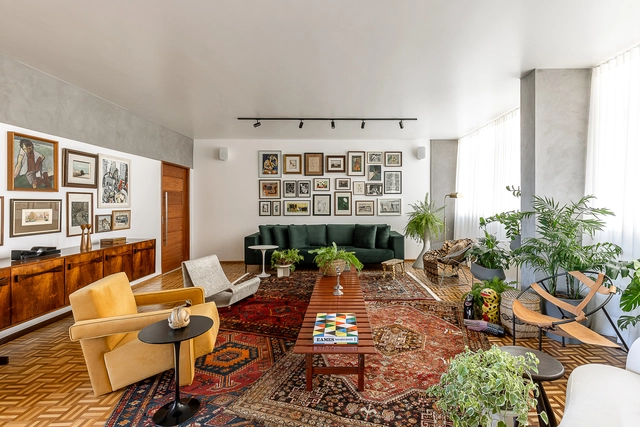
Rugs are not items that usually go unnoticed in residential environments. In addition to warming the environment and making them more cozy, when used correctly, rugs connect the furniture and give unity to the decor. Here are some tips on how to properly size and choose this item in your home.

How to Choose the Right Type of Rug for Your Home? - 1 的图像 4How to Choose the Right Type of Rug for Your Home? - 2 的图像 4How to Choose the Right Type of Rug for Your Home? - 3 的图像 4How to Choose the Right Type of Rug for Your Home? - 4 的图像 4How to Choose the Right Type of Rug for Your Home? - More Images+ 13

Subscriber Access

How Copenhagen is Designed for Delight

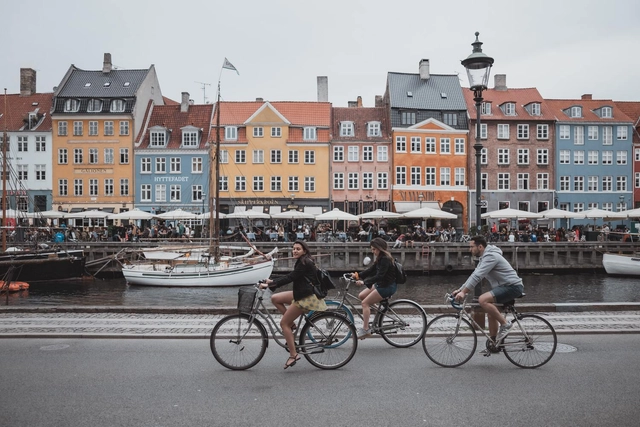
According to the World Happiness Report, Denmark has continually topped the survey of happiest countries for years. Copenhagen, the capital of Denmark, is known for its brightly colored waterfront buildings and radical contemporary architecture, both reflecting the joyful ethos of the city. The maritime metropolis is an urban designer’s favorite case study with its carbon-neutral infrastructure, pedestrian and bike-friendliness, and thriving public realm. Danish designers have cracked the code to build happier cities, leaving plenty of models to learn from.

How Copenhagen is Designed for Delight  - Image 1 of 4How Copenhagen is Designed for Delight  - Image 2 of 4How Copenhagen is Designed for Delight  - Image 3 of 4How Copenhagen is Designed for Delight  - Image 4 of 4How Copenhagen is Designed for Delight  - More Images+ 7

Subscriber Access

Nature Indoors: Stone- and Wood-Look Porcelain Tiles

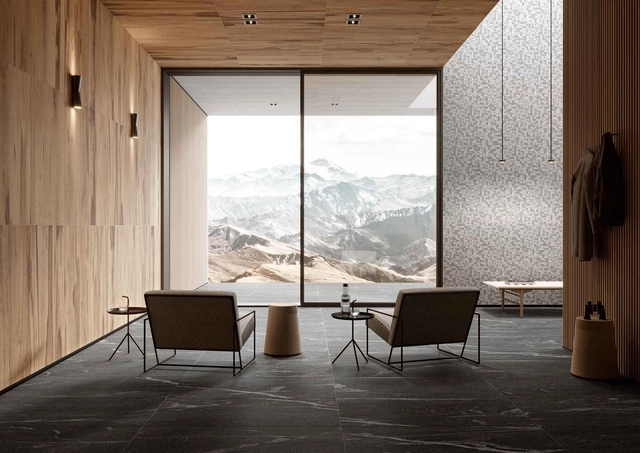
As the climate crisis intensifies and the lingering effects of the pandemic remain evident in daily life, topics like sustainability and health are more relevant than ever. This explains the rise of biophilic design, a trend characterized by connecting architecture—and, by extension, the user—with the inherent benefits of nature: comfort, calm, and well-being.

Consequently, demand has shifted toward objects and materials capable of bringing nature indoors, whether through decorative elements, vegetation, or wall and floor tiles. However, to ensure functionality within an interior space, these products must ideally combine a natural aesthetic with practical qualities such as durability and low maintenance.

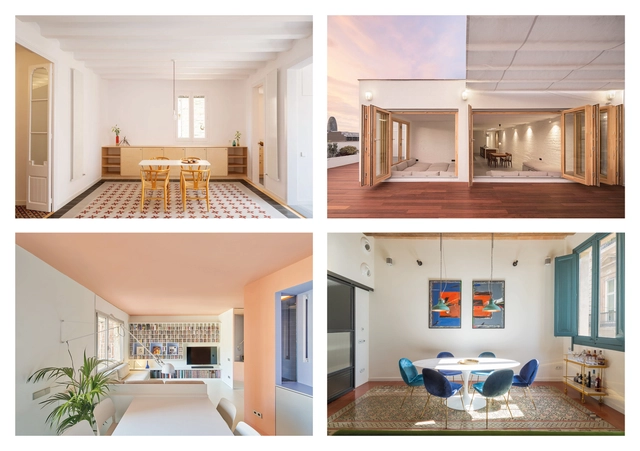
Design Trends: The New Remodelling of Homes in Barcelona

Nowadays, the integral reform of flats in Barcelona is one of the most common activities for both freelance architects and local architectural studios. This is not surprising in a city with more than 4,000 years of history in which there is a lot of buildings and little room for new construction.

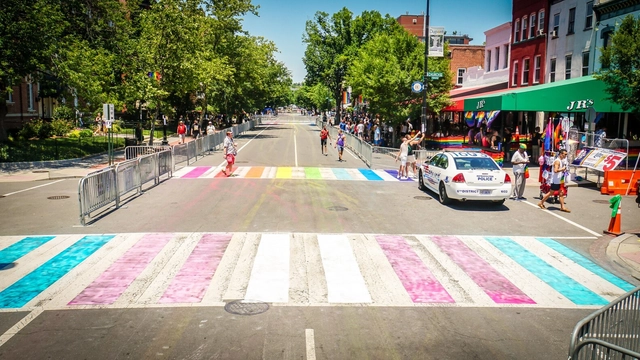
How Gender Inclusion Is Influencing Urban Design

In the 1970s, in Berkeley, California, a group of disability rights activists called the Rolling Quads began dismantling curbs and improvising sidewalk ramps, demanding access for wheelchair users. But what people did not expect was that wheelchair users would not be the only ones to benefit from the intervention. Soon, pedestrians with baby strollers, heavy suitcases or simply with reduced mobility started using the ramps. Likewise, a gender-inclusive city works better for everyone. A city where all gender minorities of different ages and abilities can move around easily and safely, participate fully in the workforce and public life, live healthy, sociable and active lives, is a city that improves everyone's lives.

How Gender Inclusion Is Influencing Urban Design - Imagen 1 de 4How Gender Inclusion Is Influencing Urban Design - Imagen 2 de 4How Gender Inclusion Is Influencing Urban Design - Imagen 3 de 4How Gender Inclusion Is Influencing Urban Design - Imagen 4 de 4How Gender Inclusion Is Influencing Urban Design - More Images+ 2

Subscriber Access

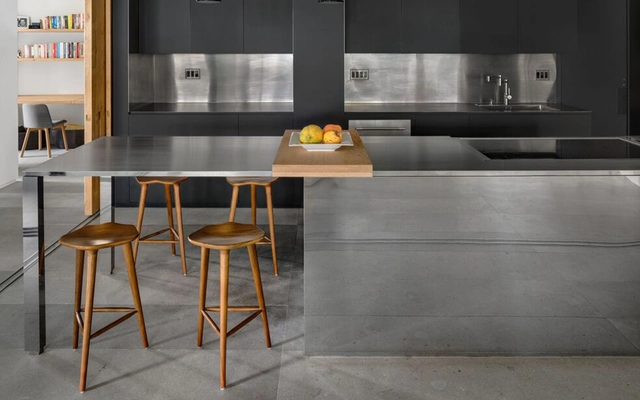
Mexican Interiors: 19 Kitchens with Central Islands and Auxiliary Bars in Apartments

Over the years, interior design has evolved in response to changing needs, and above all, to the experiences it seeks to evoke for the user. Over the last two years, we have witnessed a radical shift and a heightened interest in this field, as the pandemic forced us to pay closer attention to how we configure the spaces we inhabit. This has brought about much more holistic designs aimed at user well-being, combining colors, sensory experiences, technology, and natural elements that promote health.

Subscriber Access

From Chile to Mexico: 30 Houses on the Coast of the Pacific Ocean

Is there only one way to inhabit the coast? The Pacific coast, the largest ocean on earth, is a vast territory with a great diversity of temperature, winds, and topography, among others. Consequently, it has a great variety of ecosystems, ranging from the freezing point near the poles, vast deserts and forests, to the hot tropical rainforest. Such majestic diversity is no stranger to architecture, responding to the different contexts in which it is placed. As a result, there is a great variety of architectural works, all of which share in framing the views of the sea.

The following list shows 30 residential projects along the Latin American Pacific coastline, revealing the diverse architectural approaches that exist along the coast.

From Chile to Mexico: 30 Houses on the Coast of the Pacific Ocean - Image 1 of 4From Chile to Mexico: 30 Houses on the Coast of the Pacific Ocean - Image 2 of 4From Chile to Mexico: 30 Houses on the Coast of the Pacific Ocean - Image 3 of 4From Chile to Mexico: 30 Houses on the Coast of the Pacific Ocean - Image 4 of 4From Chile to Mexico: 30 Houses on the Coast of the Pacific Ocean - More Images+ 27

Subscriber Access

"We cannot continue to live in cities without ecological and social responsibility": Our readers share their thoughts on urban trends

Is there a future for our cities if we do not adopt a sustainable way of life? For some time, urban sustainability has been approached more from the perspective of climate change than from a holistic vision that integrates society and how we live as a community.

What new ways of living are we experiencing amidst today's social, economic, and ecological shifts? We must bring to the table the various reference cases emerging around the world to understand the latest trends in how we inhabit our cities.

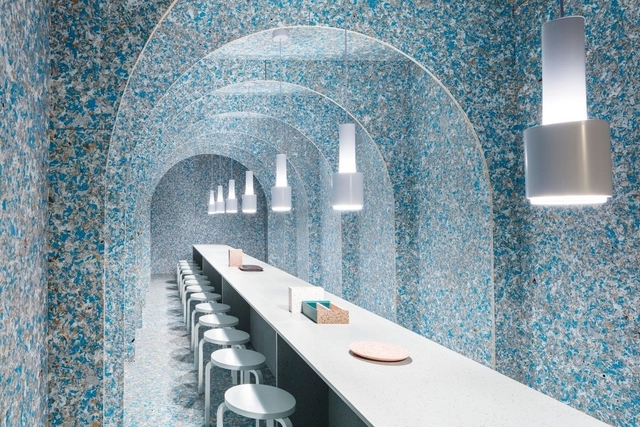
Reused and Recycled Materials in 10 Interior Design Projects

Recycling and reusing in civil engineering is extremely important, especially when considering the amounts of waste production and energy consumption involved in the processes related to the construction site. Creating construction elements by re-designing the role of old objects or materials represents an objective approach to upcycling, as a path towards a more sustainable and responsible future.
Reused and Recycled Materials in 10 Interior Design Projects - Image 1 of 4Reused and Recycled Materials in 10 Interior Design Projects - Image 2 of 4Reused and Recycled Materials in 10 Interior Design Projects - Image 3 of 4Reused and Recycled Materials in 10 Interior Design Projects - Image 4 of 4Reused and Recycled Materials in 10 Interior Design Projects - More Images+ 6

Subscriber Access

The death of street shops and its impact on cities

An ideal address implies convenience, meeting basic needs for goods and services within a short walk. Breakfast at the base of the building, a quick run to the pharmacy, pulling a cart overflowing with fruit, heading down on Saturday for a haircut, walking the dog in the corner plaza. The health of a city depends on the presence of people walking in public spaces, fostering a sense of community, safety, civility, and the capacity to meet basic consumption needs. And the street-level storefront along this walk is a vital catalyst.

Subscriber Access

FIIU 7 Urban Intervention Festival Opens in Lima

Yesterday marked the opening of the seventh International Festival of Urban Interventions in Lima, Peru. The opening day featured a series of events at the Lugar de la Memoria, aiming to shape the agenda, stimulate public debate, and highlight diverse efforts from multiple fronts striving to build a better city for everyone.
Subscriber Access

“Plan for Buenos Aires”: Le Corbusier and His Desire to Transform It into a Modern City

Charles-Édouard Jeanneret-Gris, better known as Le Corbusier, is one of the leading figures and great masters of the Modern Movement. Directed by Gerardo Panero, the feature-length documentary “Plan for Buenos Aires” explores the architect's attempts to shape the layout of the city of Buenos Aires with his ideas.