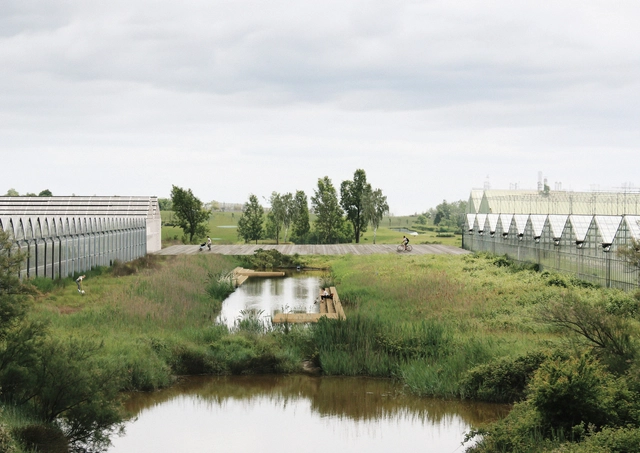
Can academic projects explore new directions and contribute to public discourse on global and local issues? The 2024 Politecnico di Torino Students Award aimed to address these questions, showcasing how architectural research, training, and experimentation can be integrated into a school curriculum.
Politecnico di Torino is ranked among the top 10 architecture schools in Europe (QS World University Rankings by Subject 2024 - Architecture and Built Environment). With over 3,000 students, the Department of Architecture and Design offers a Bachelor's degree in Architecture and three Master's programs—Architecture for Sustainability, Architecture Construction City, and Architecture for Heritage—all featuring dedicated English tracks. The Department offers also two Bachelor's and one Master's programmes in Design.