


Poland
PGE GiEk Concern Headquarters / FAAB


https://www.archdaily.com/443299/pge-giek-concern-headquarters-faab-architektura-adam-bialobrzeski-adam-figurskiDaniel Sánchez
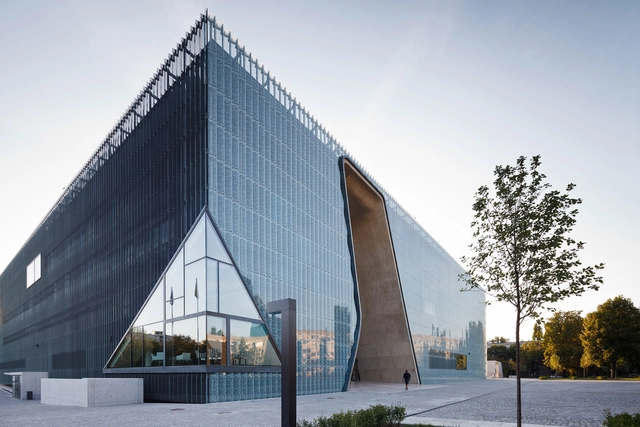
Museum Of The History Of Polish Jews / Lahdelma & Mahlamäki + Kuryłowicz & Associates


-
Architects: Kuryłowicz & Associates, Lahdelma & Mahlamäki
- Area: 18300 m²
- Year: 2013
-
Manufacturers: D+H, ES-System, Lira Lighting
https://www.archdaily.com/441658/museum-of-the-history-of-polish-jews-lahdelma-and-mahlamaki-kurylowicz-and-associatesDaniel Sánchez
Pomeranian / AEC Krymow & Partners

.jpg?1382491300 "Courtesy of AEC Krymow & Partners")


https://www.archdaily.com/441720/pomeranian-aec-krymow-and-partnersDaniel Sánchez
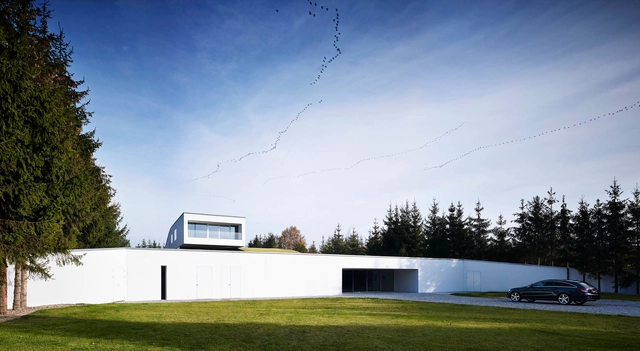
Autofamily House / KWK PROMES



https://www.archdaily.com/435825/autofamily-house-robert-koniecznyDiego Hernandez
House in the woods / Hayakawa/Kowalczyk
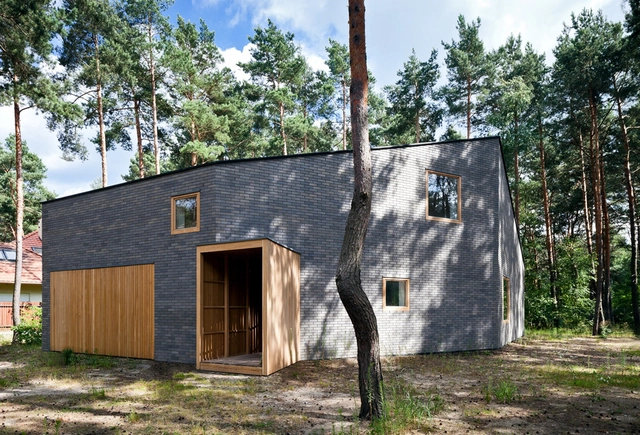


https://www.archdaily.com/435017/house-in-the-woods-hayakawa-kowalczykJavier Gaete
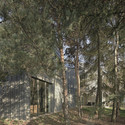
Warsaw Villa / Kulczyński Architect + PL09
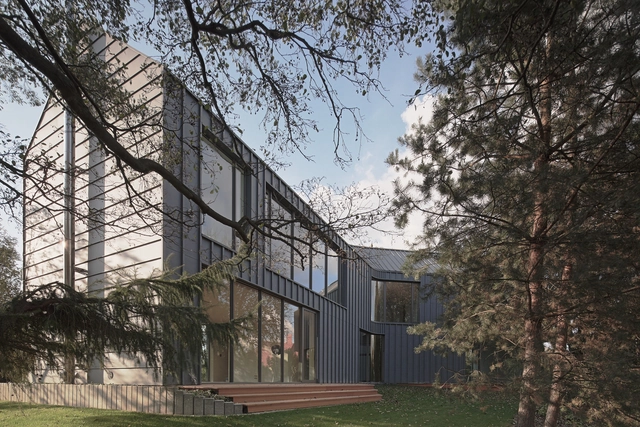


https://www.archdaily.com/422800/warsaw-villa-kulczynski-architekt-nil-bogdan-kulczynskiJavier Gaete
Świdnicka Underground Crossing Winning Proposal / Major Architekci
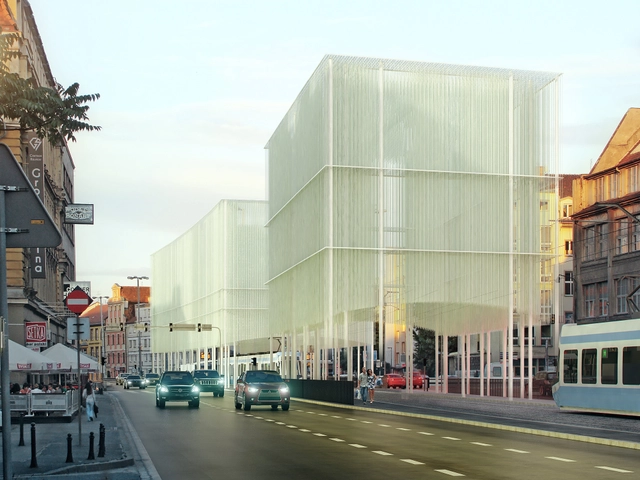
In October 2012, Major Architekci won a competition to reconstruct a crossing in Wroclaw, Poland. It is scheduled to be finished in 2016, when Wroclaw will be the European Capital of Culture. More images and a description from the architects after the break.
https://www.archdaily.com/414770/swidnicka-underground-crossing-winning-proposal-major-architekciAlison Furuto
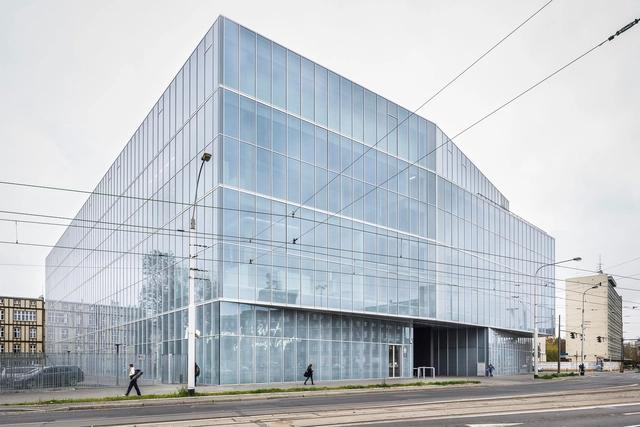
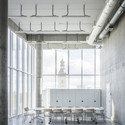
Academy Of Fine Arts Wroclaw / Pracownia Architektury Glowacki

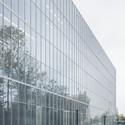
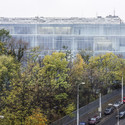

-
Architects: Pracownia Architektury Glowacki
- Area: 13060 m²
- Year: 2012
https://www.archdaily.com/404921/academy-of-fine-arts-wroclaw-pracownia-architektury-glowackiDaniel Sánchez
Office Building at Grzybowska Street / Grupa 5 Architekci
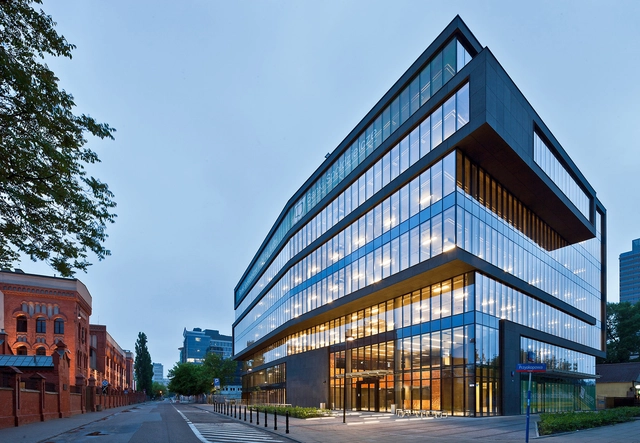
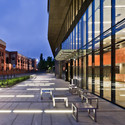
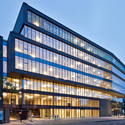
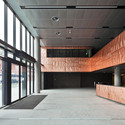


-
Architects: Grupa 5 Architekci
- Area: 10500 m²
- Year: 2013
https://www.archdaily.com/397770/office-building-at-grzybowska-street-grupa-5-architekciJavier Gaete
.jpg?1413929023)
.jpg?1413929026 "© Stan Zajączkowski")
.jpg?1413929030 "© Stan Zajączkowski")
.jpg?1413929035 "© Stan Zajączkowski")
.jpg?1413929039 "© Stan Zajączkowski")
.jpg?1413929023)
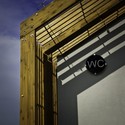
Public Toilets / Piotr Musialowski + Lukasz Przybylowicz


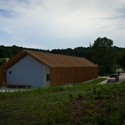

-
Architects: Lukasz Przybylowicz, Piotr Musialowski
- Area: 220 m²
https://www.archdaily.com/387751/public-toilets-piotr-musialowski-lukasz-przybylowiczJavier Gaete
'BS25' Silos - Diving and Indoor Skydiving Center Proposal / Moko Architects

The proposal by Moko Architects for the Diving and Indoor Skydiving Center restores a part of a house factory in Żerań which operated in the past,. They turn a building in a non-developed area with abandoned halls and warehouses into a recreation center open all year round in the old silos where bulk cement used to be stored in the past. The existing facility is a perfect base for this investment and will be the only place in Poland where people wishing to learn the skills of diving will have the opportunity to safely train at the depth of 25m under control. More images and architects' description after the break.
https://www.archdaily.com/372665/bs25-silos-diving-and-indoor-skydiving-center-proposal-moko-architectsAlison Furuto
Custore Pavilion / Anna Dobek + Mateusz Wojcicki
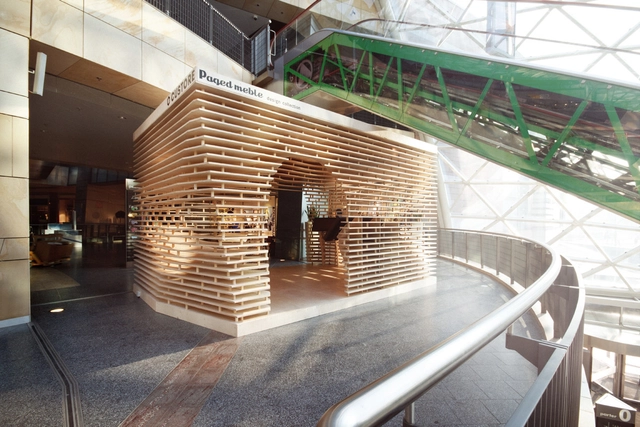
Custore, an experimental project, is a pavilion that explores the areas of parametric architecture used for the commercial market. Designed by Anna Dobek + Mateusz Wojcicki, they had to deal not only with the aesthetic issues of computer-generated sculptural forms, but also with practical problems associated with the execution of the project inside a commercial building, and - most importantly – with the real clash of artistic forms and commercial market guidelines. More images and architects’ description after the break.
https://www.archdaily.com/370542/custore-pavilion-anna-dobek-mateusz-wojcickiAlison Furuto
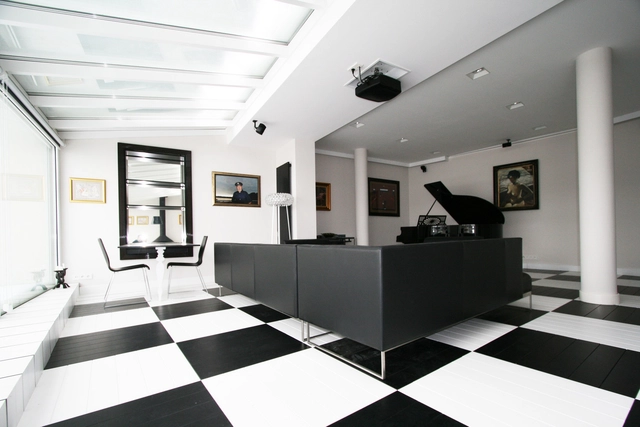
Black and White Office / TOYA Design
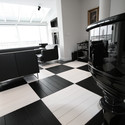
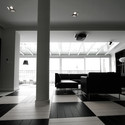
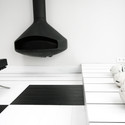

-
Architects: Toya Design
- Area: 62 m²
- Year: 2012
https://www.archdaily.com/365880/black-and-white-office-toya-designJonathan Alarcón
Fiesta Del Vino Wine Bar / mode:lina architekci

-
Architects: mode:lina architekci
- Area: 120 m²
- Year: 2012
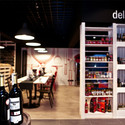
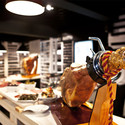
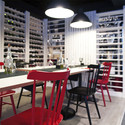
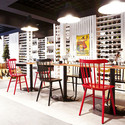

https://www.archdaily.com/366018/fiesta-del-vino-wine-bar-mode-lina-architekciJavier Gaete
Kronverk Cinema / Robert Majkut Design


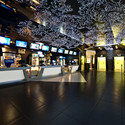
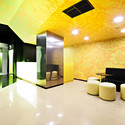
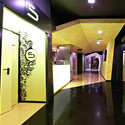

https://www.archdaily.com/365071/kronverk-cinema-robert-majkut-designJavier Gaete
PKO Bank / Robert Majkut Design
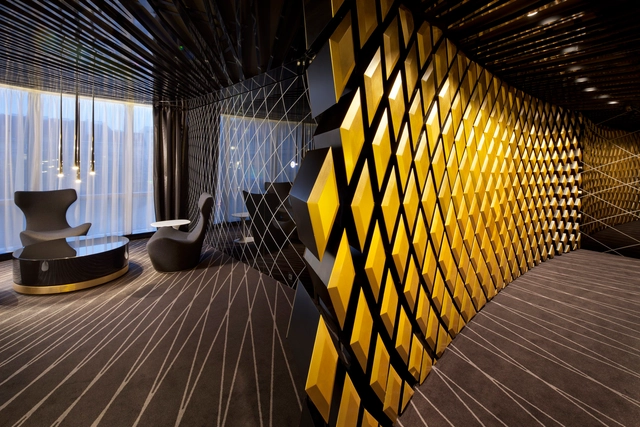


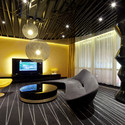
-
Architects: Robert Majkut Design
- Area: 483 m²
- Year: 2011
https://www.archdaily.com/364267/pko-bank-robert-majkut-designFernanda Castro
Zlota 44 / Daniel Libeskind
_ORCO-photo-by-Krzysztof-Wierzbowski_08.jpg?1366124262&format=webp&width=640&height=580)
_ORCO-photo-by-Krzysztof-Wierzbowski_09.jpg?1366124261 "© ORCO photo by Krzysztof Wierzbowski")
_ORCO-photo-by-Krzysztof-Wierzbowski_03.jpg?1366124281 "© ORCO photo by Krzysztof Wierzbowski")
_Studio_Daniel_Libeskind.jpg?1366124707 "© Daniel Libeskind")
_Aldinger___Wolf.jpg?1366124743 "© Daniel Libeskind")
_ORCO-photo-by-Krzysztof-Wierzbowski_08.jpg?1366124262)
Architects
Location
Warsaw, PolandArchitect of Record
Artchitecture SP ZOOArea
804602.0 ft2Project Year
2013Photographs
ORCO photo by Krzysztof Wierzbowski, Daniel LibeskindLocation
Warsaw, PolandProject Year
2013Photographs
ORCO photo by Krzysztof Wierzbowski, Courtesy of Daniel LibeskindArea
804602.0 ft2
https://www.archdaily.com/360300/zlota-44-daniel-libeskindNico Saieh