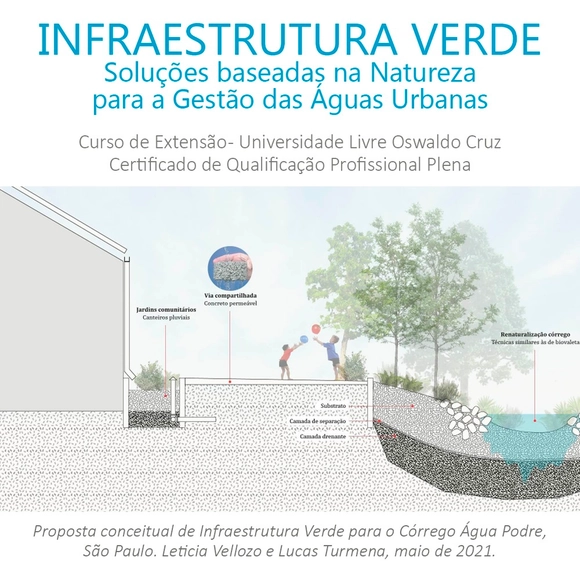
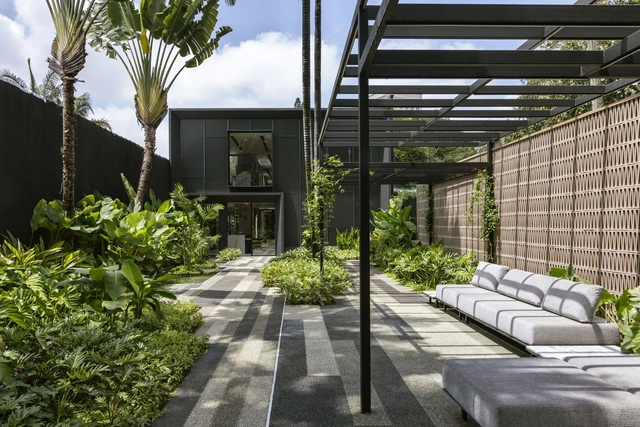
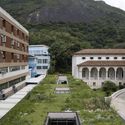
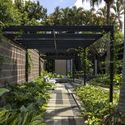
Green Infrastructure is a landscape planning and design method based on creating a network of blue-green landscapes (vegetation and water systems) that perform infrastructural functions while providing ecosystem services to cities. In green infrastructure, design is conceived based on the biogeophysical potential and limitations of the landscape, and water management is carried out through Nature-Based Solutions (NbS) such as rain gardens, bioswales, vegetated infiltration basins, and wetlands, which adapt existing infrastructure to the hydrological cycle and other ecological processes.
The 2021 Anacademy Architecture Journey is a fully online event designed for architecture and design professionals and students. Its mission is to contribute to the sharing of knowledge through the professional experience and practice of architects and urban planners.
Videos
Poster developed by the event organizers. Image courtesy of Architect Paula Zasnicoff
We invite everyone to the second meeting of the event "Latin American Conversations: Design Processes," organized by the extension project "Design Processes of Contemporary Architects," coordinated by Prof. Ana Gabriela Godinho Lima, in partnership with the collective "Arqtetatlas." The event will take place on Thursday, September 30, at 6:00 PM, featuring architect Paula Zasnicoff.
After an amazing response to the first Virtual World Tour, during the peak of the pandemic in late 2020 early 2021, we decided to continue our global digital approach to connect the architectural community on a personal level. From October 13th until December 8th, 2021 we will be hosting five events for the first half of our new Virtual World Tour. This year we will visit Hong Kong, Brazil, Japan, The United States, Turkey and Canada, where we have invited two architects respectively to tell us about their biographies, anecdotes and events that have shaped their architectural positions and personalities.
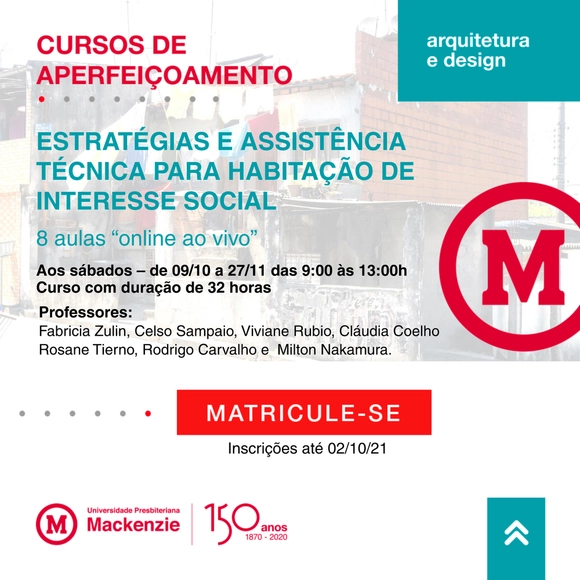
Strategies and Technical Assistance for Social Interest Housing. Credit: Fabricia Zulin
Objective: To expand knowledge regarding housing policies and strategies for Technical Assistance for Social Housing (ATHIS). Target Audience: Professionals and graduates who wish to act as agents of social transformation in projects that promote the right to the city and to housing.