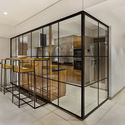
The MIT India Initiative is a not-for-profit effort of students and alumni from the Massachusetts Institute of Technology to delve into pressing problems in novel, challenging contexts, and tackle these with technology and design. This is a first of its kind workshop where mentors from multiple departments of MIT and Harvard will work with talented participants chosen from all across India to design solutions to some of today's most pressing challenges.
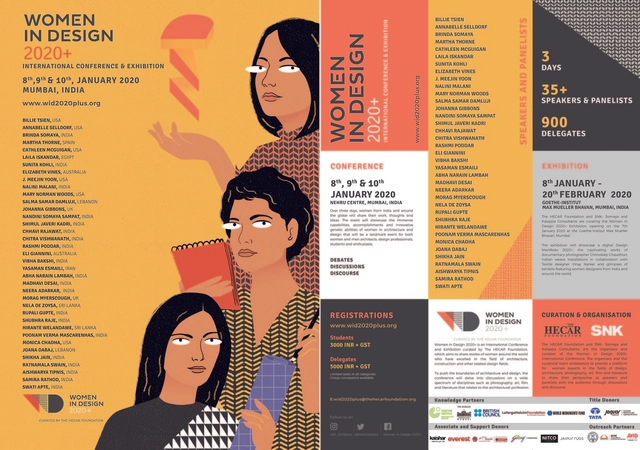
Women In Design 2020+ International Conference and Exhibition
The HECAR Foundation have curated the Women In Design 2020+ (WID 2020+) International Conference in Mumbai from 8th to 10th January 2020. This global platform will provide women with the opportunity to celebrate the evolution and success of their practices; innovative techniques in Architecture, Planning, Conservation and related fields; challenges faced by women in constructions working with arts and crafts and their role in pedagogy, sustainability, research and the visual arts. It is a global perspective encased in the Indian ground reality showcasing the immense capabilities, accomplishments and innovative genetic abilities of women in Architecture and Design. Celebrating path-breaking projects built and influenced by women shall be the essence of the conference.
An insight into the neo-vernacular ideologies, as applicable in architecture. A documentation of a traditional vernacular settlement in Kangra, Himachal Pradesh ; with understandings and applications of the traditional wisdom as practiced by Didi Contractor.
361 Degree Conference is most respected architecture and design Conference in India and the world. The theme for the 2016 edition is Architecture & the City , with tracks on Architecture, Sustainability and Urbanism.
The ninth edition of the 361 degree conference intends to create a platform to allude that the ‘City’ is much more than an accumulation of buildings, construction, and architecture – they also comprise public spaces such as parks, squares, streets and alleys that are equally significant components of the urban fabric. The built and un-built environments are in a constant relationship with each other – sometimes conflictual, ideally harmonious and symbiotic – are integral to the form and function of our cities which we must constantly explore to institute and develop.




.jpg?1568230662 "© Deepshikha Jain")

.jpg?1568230838 "© Anant Singh")






































.jpg?1465264626&format=webp&width=640&height=580)
.jpg?1459907177&format=webp&width=640&height=580)


.jpg?1459907177)