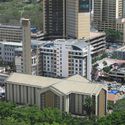
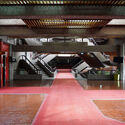
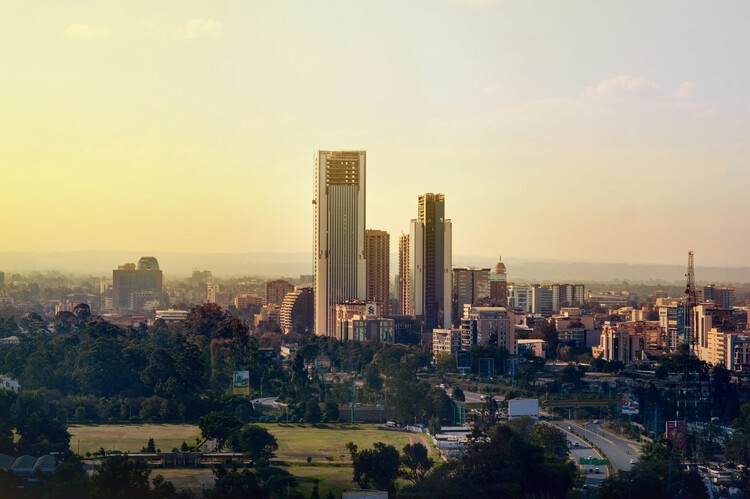
Nairobi's architectural identity was transformed by Kenya's independence in 1963. As the new nation sought to define itself, the city became a testing ground for a modern architecture that could embody progress while responding to African culture, climate, and local conditions. This opened a period of architectural experimentation, with different approaches emerging to the relationship between modernity, identity, and place.
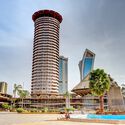
The Kenyatta International Convention Centre is perhaps the clearest expression of this moment. Its architecture brought together modernist principles with references to African forms, establishing a distinctive response to the ambitions of a newly independent nation. Around it, Kenyan and international architects developed other interpretations of modernism, from the sun-shading facades of Reinsurance Plaza to the sculptural silhouette of Nation Centre, alongside religious, educational, and civic projects that expanded the architectural vocabulary of the city.