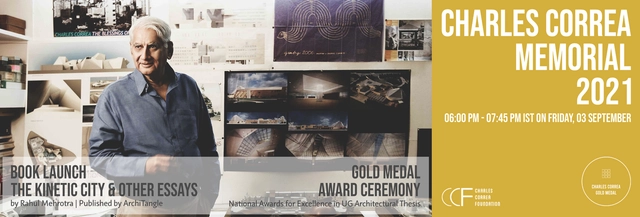
An online event in memory of our founder, late Indian architect and urbanist Charles Correa. The event will consist of the award ceremony for the Charles Correa Gold Medal and the international release of Rahul Mehrotra’s new book ‘The Kinetic City and Other Essays’.
Architectural discourse is often based on what is revealed in and by architecture, while this event draws attention to that which conversely can be hidden, concealed, omitted through architecture.
Architectures of Hiding considers apparatuses, modes, temporalities, motives, and materialities in the crafting of architecture—whether for the deployment of coercive power, exclusion, erasure, or as techniques of imagination, resistance, safety, or agency.
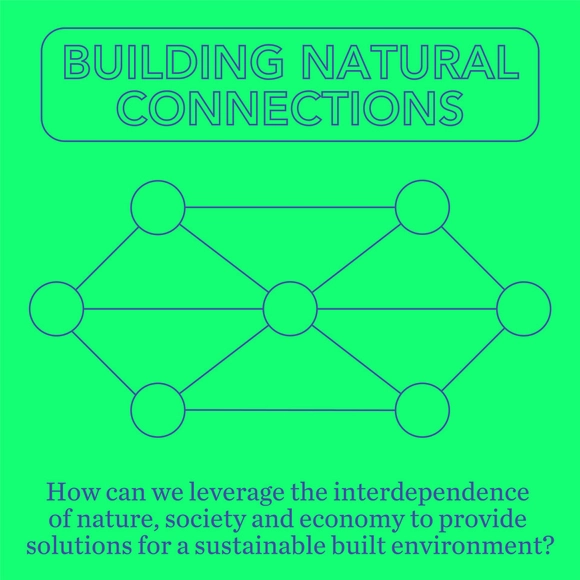
image description: Building Natural Connections - How can we leverage the interdependence of nature, society and economy to provide solutions for a sustainable built environment?
Cambridge Institute for Sustainability Leadership and Future Spaces Foundation BUILDING NATURAL CONNECTIONS webinar series
How do we resolve the tensions between imported Western imported styles and the notion of what is African? That tension between the courtyard and the balcony, the glass skin and the brise soleil; or the oft-derided eating habits not accommodated in the living room, or the abundantly ubiquitous zinc roofing sheets so often discarded or the coming to terms with crime-induced burglary and the esteeming of the kitchen entrance.
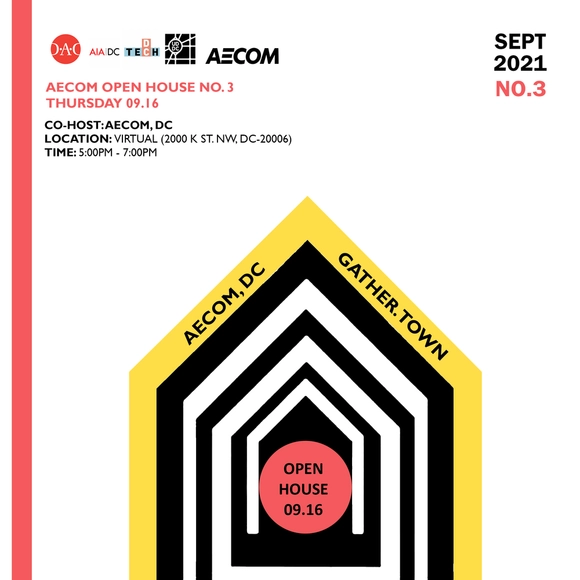
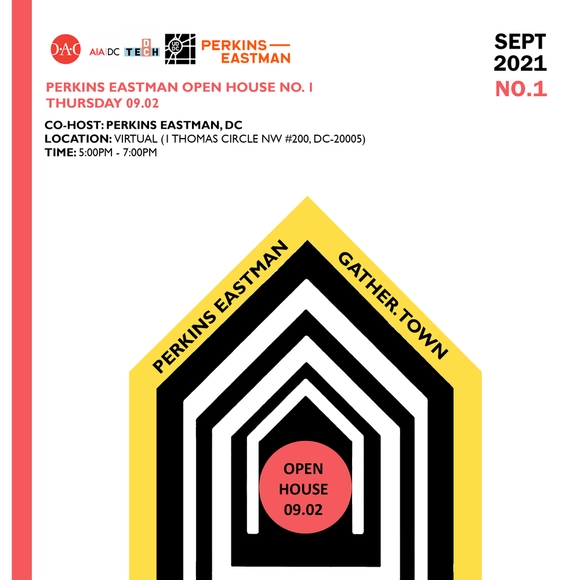
Join the AIA|DC Urban Design Committee & Technology Committee for our 2021 Open House Series at leading architectural and urban design firms in DC as they virtually showcase projects currently in planning, design, or construction phases.
Videos
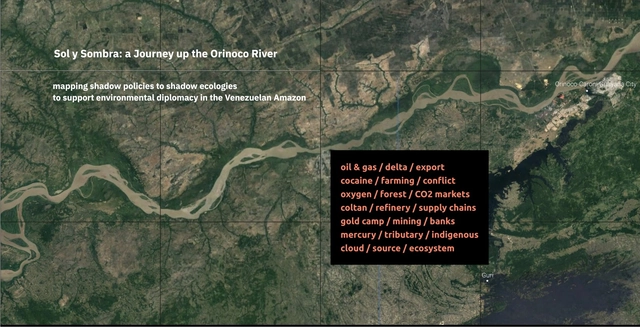
A prototypical interactive tool, for the analysis and 3D visualisation of territories undergoing social unrest and ecological depletion
The Sol y Sombra project lab has prototyped an interactive tool, for the analysis and 3D visualisation of territories such as the Orinoco River in the Venezuelan Amazon, which reveals its geographical, political, and economic complexity, by geolocating and overlaying interests, conflicts and possibilities. The tool highlights potential development opportunities, locations for emergent markets in clean natural resources and new labour economies and suggests these can generate added value for local and global communities.
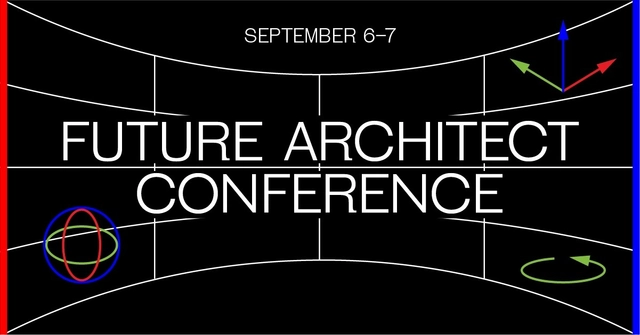
International conference and the annual flagship event of the Architects.rf program Future Architect will be held for the third time on September 6 – 7, 2021. The 2021 edition of the conference will be hosted online and will serve as a platform for institutional exchange between educational organizations, think tanks, and media.
Join the AIA|DC Urban Design Committee & Technology Committee for our 2021 Open House Series at leading architectural and urban design firms in DC as they virtually showcase projects currently in planning, design, or construction phases.
From 16 to 24 October, Dutch Design Week (DDW) takes place in Eindhoven. The biggest design event in Northern Europe presents work and ideas of more than 2000 designers to more than 350,000 visitors from home and abroad. In more than 100 locations across the city, DDW organizes and facilitates exhibitions, lectures, prize ceremonies, networking events, debates, and festivities.
This seminar aims to create a space to listen to and make visible various local and international initiatives that allow us to reflect on our disciplines' impact on society. We also seek to hear projects that invite us to rethink the processes that reproduce class, race, or gender inequality to face the social challenges of our times from our creative vocation.
Videos
Official poster of the Days of architecture 2021
The Days of architecture is the biggest architectural event in Bosnia-Herzegovina, and after last year's online edition, it is back live in country's capital - Sarajevo. The festival will take place between September 17th and 19th, starting on Friday in front of the Youth theatre at the Culture square by official opening and exhibition installation "Adaptable living spaces, episode 1: COVID-19" and series of architectural photography. The second day of the festival is reserved for lectures of architects from all over Europe, including Hubert Klumpner (ETH Zurich), Roland Krebs (Superwien, Austria), Michael Walczak (ETH Zurich), but also Mat Barnes (CAN, UK), Melike Altinisik architects (Turkey), NFO arhitekti (Croatia). After all presentations panel discussions will take place in order for our guests and audience to make a conclusion and reflect on today's impact of and on architecture. The third and last day will start with the presentation of Future Architecture Platform (FAP) of which the Days of architecture became part of. Later on the main stage guests will be able to enjoy lectures of Jan Boelen (Lithuania), creators of Serbian pavilion at the Venice biennale, Relja Ivanić (Serbia), but also to watch a movie called Symmetries, documentary about the Days of architecture. After the Days of architecture Fresh+Bold award is given to the best regional architectural influence, audience can watch a block of local architects' lectures: Nermina Zagora and Dina Šemić, Bernard Bostijančić and Studio Trokut. During the festival, students of architecture at the University of Sarajevo will participate in Studio Mobile workshop whose results will also be presented at the Festival.
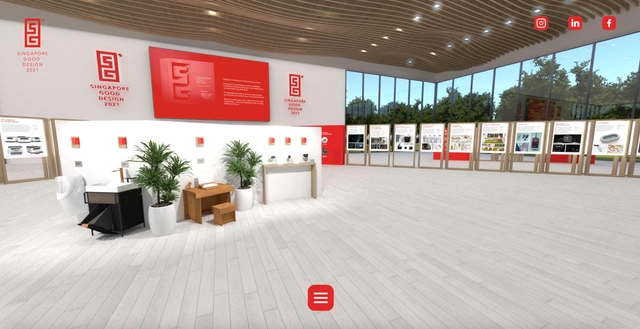
Singapore’s multidisciplinary design chamber, the Design Business Chamber Singapore (DBCS), is set to showcase the designs of its annual Singapore Good Design Awards (also known as SG Mark) winners in its first-ever virtual exhibition, which will run from 1 September to 31 October 2021.
Join the AIA|DC Urban Design Committee & Technology Committee for our 2021 Open House Series at leading architectural and urban design firms in DC as they virtually showcase projects currently in planning, design, or construction phases.
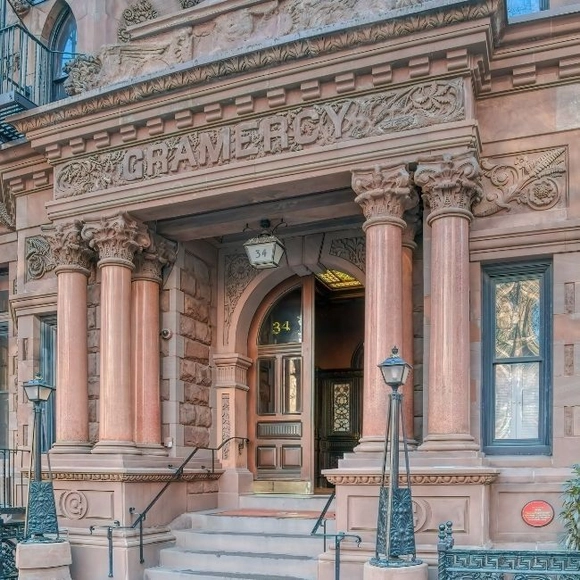
“First impressions count” has been the watchword since the first luxury apartment house opened in 1884. Entrance doors and their embellishment set the mood of an apartment building and form the dividing line between public and private space, serving multiple functions: to welcome yet protect; attract yet repel; impress yet be reticent.