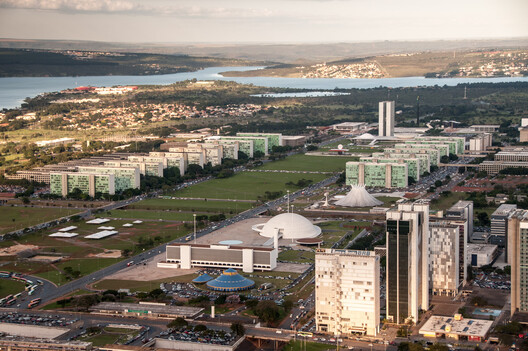
In the nineteenth century, driven by the Industrial Revolution, the rise of the machine age, rapid population growth, and increasingly pressing demands for urban space, Europe saw the emergence of the first modern reflections on the city. More importantly, this period marked the beginning of urban planning as a distinct academic and professional discipline—a theory and practice inherent to a consolidating historical era, whose ultimate urban legacy would define the twentieth century. Within this disciplinary framework—shaped by social demand or, frequently, political agendas linked to militaristic aspirations of order and control—the twentieth century became the stage for the full unfolding of an industrial society that looked to the city as its ultimate horizon.



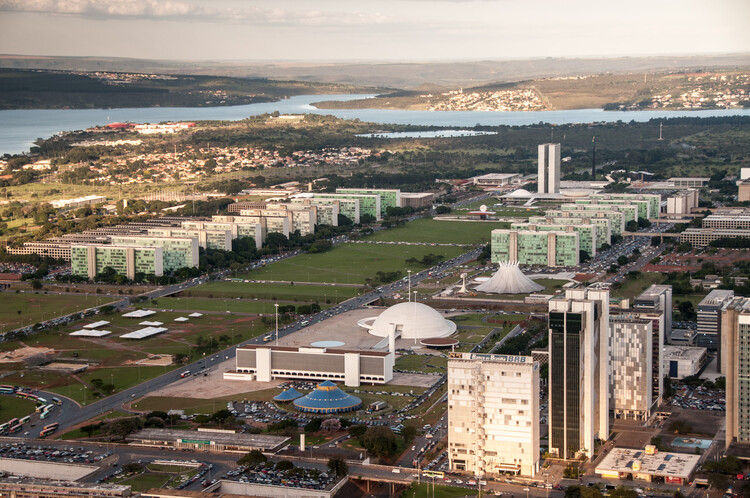
The experience of urban thought and, moreover, urban planning proposed in Europe at that time involved a series of initiatives and proposals that sparked intense debate across the Northern Hemisphere regarding the practice of city-making. This debate alternated between a heavily political focus and a more formal, operational, and bureaucratic understanding of planning. It was against this backdrop that, in the 1950s, then-President of Brazil Juscelino Kubitschek pledged to transfer the nation's capital to the Central-West region and build this new city from scratch, bringing this entire visionary debate to the forefront in Brazil.


