

-
Architects: Dub Architects
- Area: 5250 m²
- Year: 2019
-
Manufacturers: American Standard, Toto, Teknion, thyssenkrupp
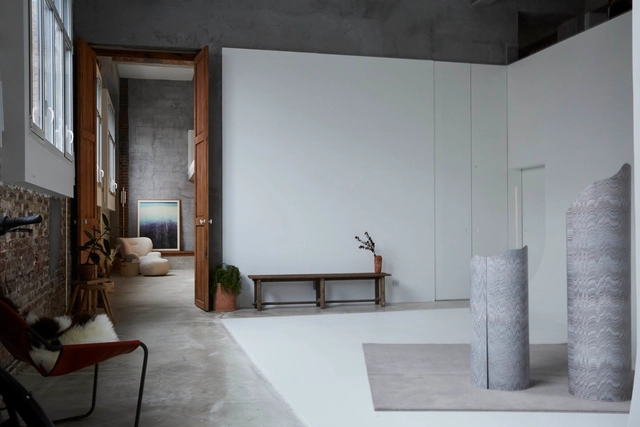


Liminal spaces are everywhere, both literally, and as a popular topic of intrigue on Reddit and other image-sharing platforms. Posting photographs of empty dilapidated spaces followed by collective reminiscing of childhood experiences is proving to be a popular activity these days. At one time or another, the spaces depicted in these eerie photos seemed like a good idea, a useful solution to the problem of providing shelter for crowds in the act of movement or commerce. Architecture had specific terms for these spaces too and defined them through theories that explained their role in our culture. In this video, architectural professor Stewart Hicks presents how architects think about liminal spaces, what goes into them, why they exist, and why some architects and artists still work to produce their effect.
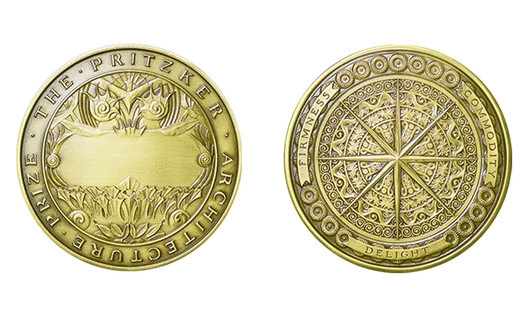
The Hyatt Foundation has revealed the announcement date of the Pritzker Prize 2021 Winner(s). The most relevant recognition in architecture will be announced on Tuesday, March 16th, 10:00 am EDT.
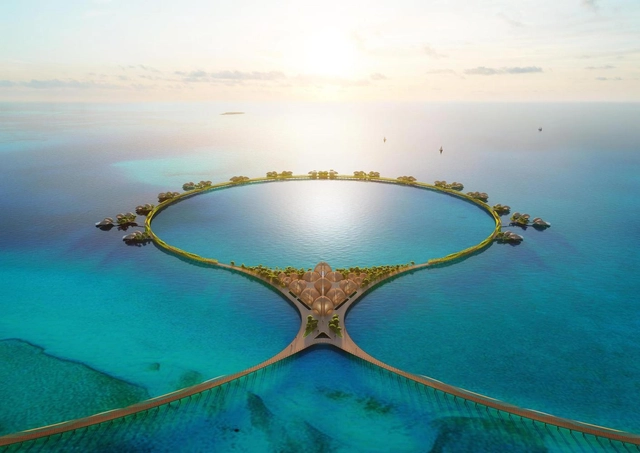
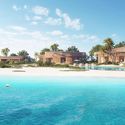
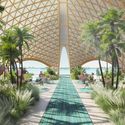
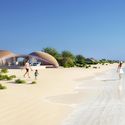
Foster + Partners is designing Hotel 12, on the Ummahat AlShaykh Island in Saudi Arabia. Developed by the Red Sea Development Company (TRSDC), the project is one of two hotels on the island, the first being planned by Kengo Kuma.

With nearly fifty thousand plant species—over half of which are endemic, meaning they only occur naturally here—Brazilian flora is among the most diverse and richest in the world. This data is featured in the country's largest and most comprehensive virtual botanical library, Flora do Brasil 2020, developed by the Rio de Janeiro Botanical Garden.
What kind of cities do we want to live in? What do we believe is important for a good life? And what makes a good home for all of us? SPACE10 with gestalten have teamed up to gather insights from world-renowned experts to explore a better urban future for humanity. Compiled in a book entitled The Ideal City, the findings draw five core principles: The city of tomorrow should be resourceful, accessible, shared, safe, and desirable.
Taking a holistic and multidisciplinary approach to rethinking how we could design, plan, build and share our cities going forward, the publication unfolds projects from 53 different cities in 30 different countries. Discover in this article, excerpts from the book, with the foreword by Bjarke Ingels and the last word by Xiye Bastida.
This article was originally published on Common Edge.
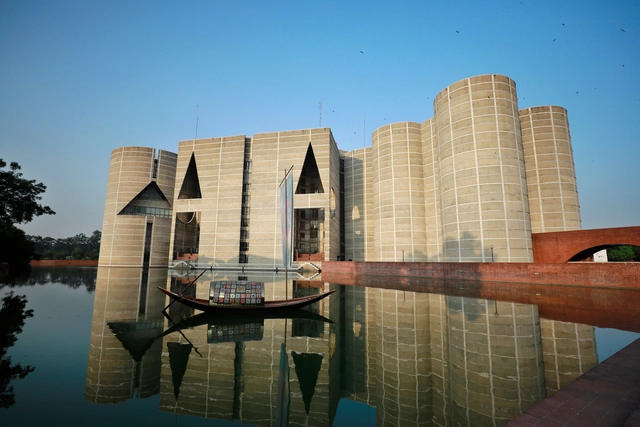
Nathaniel Kahn’s 2003 documentary, My Architect, was at its beating heart a son’s search for his father. The film, which was nominated for an Academy Award and will be re-released later this year, explored the complicated domestic life of Louis Kahn: three children, by three different partners, all of whom were kept largely in the dark about the existence of each other. But the film was as much about the work of Louis Kahn as it was about his personal life. And, as a result, it ignited a renewed interest in his buildings, both in the mainstream culture and across architectural academia.


.jpg?1614869884&format=webp&width=640&height=580)
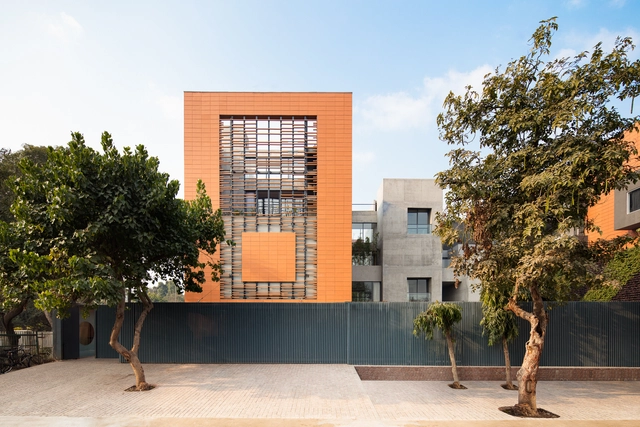














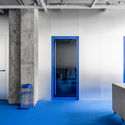
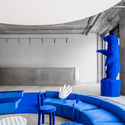
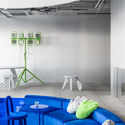


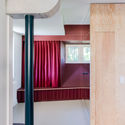
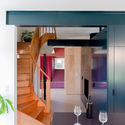
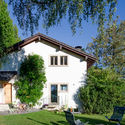

.jpg?1614870490 "© Hiroyuki Oki")
.jpg?1614870000 "© Hiroyuki Oki")
.jpg?1614870812 "© Hiroyuki Oki")
.jpg?1614869912 "© Hiroyuki Oki")
.jpg?1614869884)
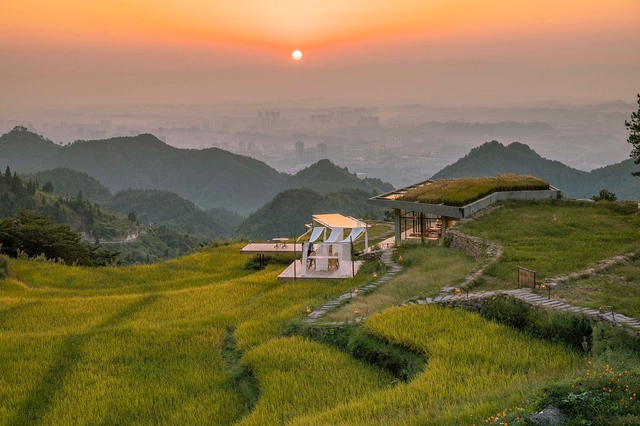
.jpg?1612787187 "aerial view. Image © Weiqi Jin")
.jpg?1612786692 "StrayBirds B&B seen from swimming pool . Image © Weiqi Jin")
.jpg?1612787161 "Outdoor terrain and shallow pool on 1st floor of StrayBirds B&B. Image © Weiqi Jin")
.jpg?1612786881 "B&B area. Image © Weiqi Jin")