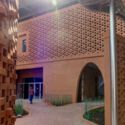
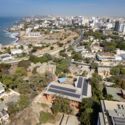
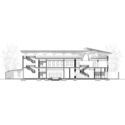
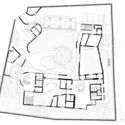
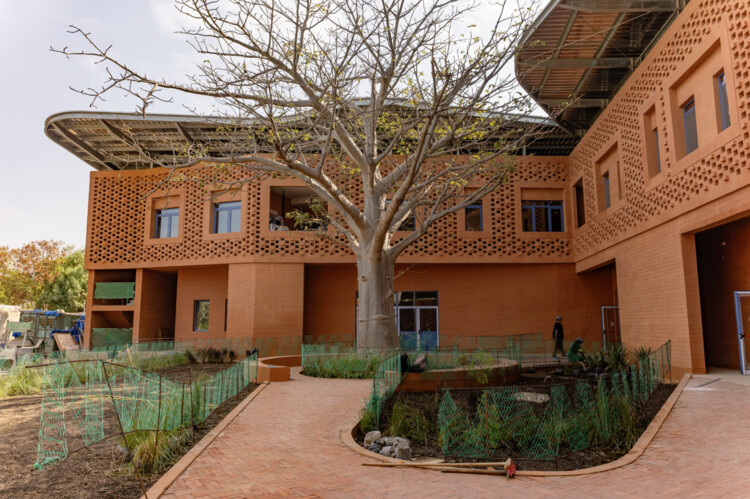
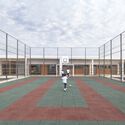
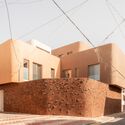
In February 2022, construction began on the Goethe-Institut in Dakar, designed by Kéré Architecture. Present in Senegal since 1978, the Goethe-Institut is reaching a milestone in strengthening cultural ties between Germany, Senegal, and West Africa with this new building. As the first purpose-built Goethe-Institut on the African continent, it embodies a long-term commitment to supporting the creative industries and fostering intellectual exchange. From April 16 to 18, 2026, the Goethe-Institut will host a series of events to mark the inauguration of its new headquarters.
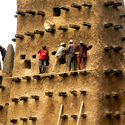
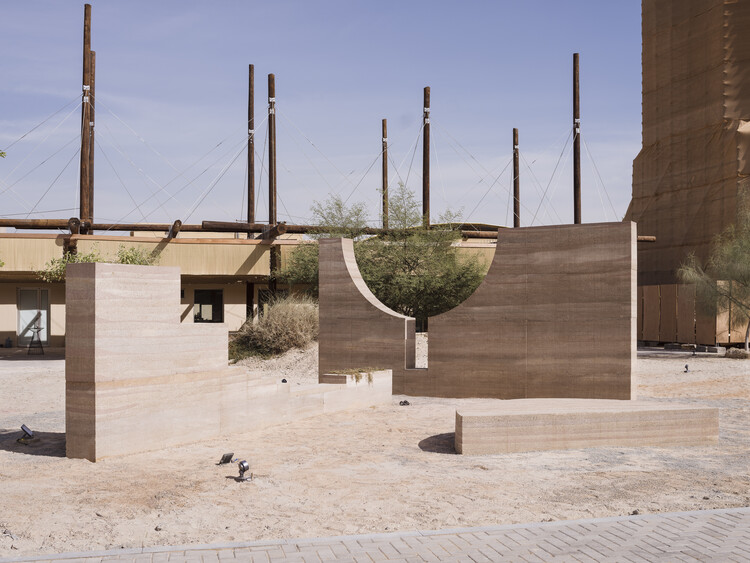
Twenty meters tall and four thousand years old, the Western Deffufa towers over the adjacent date orchards and ancient city remains in the desert. It is a former religious and administrative building near the modern-day Sudanese town of Kerma. Its significance is not only in its age and size, but also in that it is one of the oldest mud brick buildings in the world. And as the nearby mud brick houses also attest, earth is a material of continuous use from ancient times to the present. Yet, conversations around contemporary building systems have largely ignored this essential material. Some architects on the continent of Africa, however, are changing that.
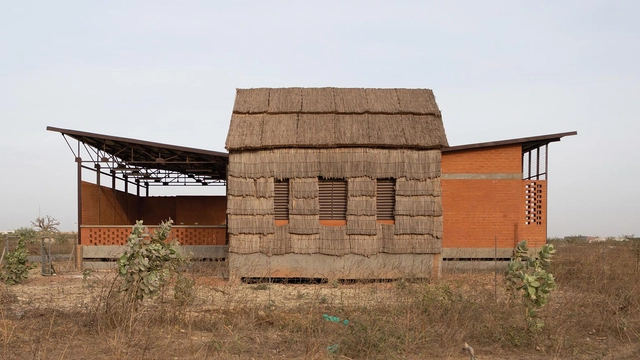
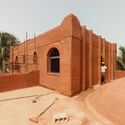
Founded by Senegalese architect Nzinga Mboup and French architect Nicolas Rondet, Worofila is a studio dedicated to bioclimatic and ecological architecture. Based in Dakar, Senegal, the firm explores the potential of vernacular materials like earth bricks and typha, applying modern techniques to create effective construction solutions. Their work addresses key issues of the environment, sustainability, and urbanization, merging traditional materials with innovative practices.
In this interview, Nzinga and Nicolas share their vision for a distinctly African modernity that integrates contemporary methods with traditional knowledge and resources. They advocate for a development approach that not only meets immediate needs but also empowers communities and fosters meaningful, long-term progress. Their insights provide a compelling perspective on how architecture can drive a more sustainable and contextually relevant future for African cities.
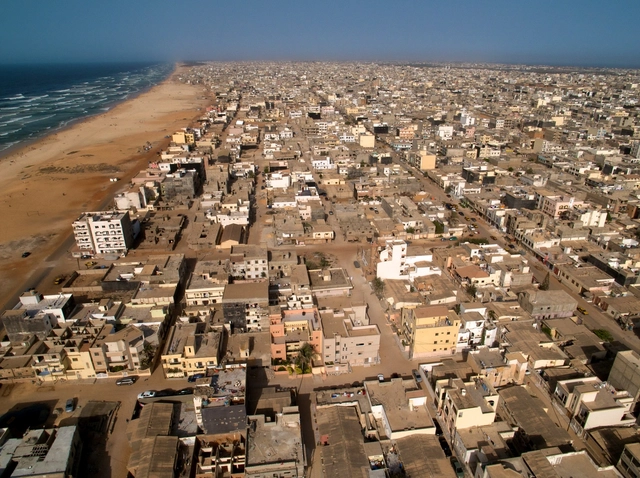
A city that defies expectations, this is what many visitors often express about the Senegalese capital, Dakar. As Africa's most western port city, which gained independence from the French in 1960, Dakar is a regional hub for diversity and culture. While it's often described as an unexpectedly sleek and "modern" city, with its characteristic and sometimes colorful monolithic buildings, Dakar is in fact in constant development and each of its districts tends to reflect a different style and focus, depending on its inhabitants and the dominating functions.
Dakar is a city of constant development. From colonial times, and on, the capital of Senegal has seen a lot of shifts in its societal definition which has, in turn, affected its architectural and urban fabric. Ever since the French mandate which somewhat forced a shift of local living traditions into a more 'European' lifestyle, the wheels of change have been set in motion. Afterward, a notable post-colonial attempt at re-defining Dakar was inevitable. It came about in many ways, still seen today, and it built a city of mixed architectural languages that defies most visitors' expectations.
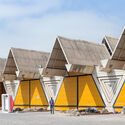
Though the renowned African mid-century modernism was certainly present in the years after Senegal's independence in 1960, this was mostly due to its popularity with practicing architects in the region, not its relevance for the capital's rebuilding efforts. The modernist approach, which was mainly seen in the public, institutional, and cultural buildings, and which persists today in a more undefined contemporary style, was always aimed at showcasing Dakar to the world. It did not, however, reflect the reality of the city's development nor the way its dwellers live.
In an effort to refocus on Dakar, some of our more recent ArchDaily coverage has highlighted the many development and design efforts that look to provide a better means of living to inhabitants.