1. ArchDaily
  2. White Elephant

White Elephant: The Latest Architecture and News

From White Elephants to Sustainable Venues: The Evolving Story of Olympic Architecture

Subscriber Access | 

For cities, hosting an Olympic event represents both an honor, an important opportunity for growth, and a significant challenge. With over 200 nations taking part in the Games, the Olympics are the largest sporting competition in the world. Adapting the public and sporting infrastructure to accommodate this sudden influx of people and the scale of these events runs the risk of misunderstanding the cities’ needs after the closing ceremony, often producing “white elephants” that struggle to adapt to the rhythm and necessities of everyday urban life. Urban transformations are often cited as an advantage of hosting the Olympic Games, as cities are incentivized to invest in their traffic infrastructure, housing, and public spaces. One such example is the city of Paris, which introduced its first metro line on the occasion of hosting the second edition of the Olympic Games in 1900.

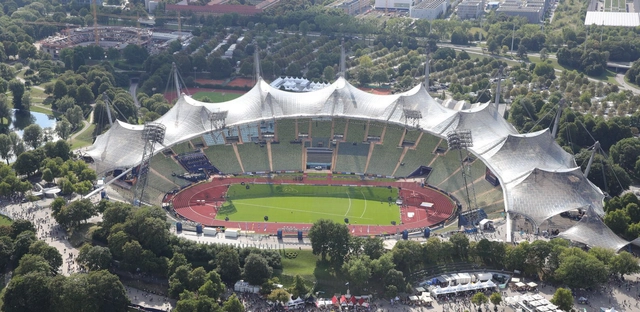
When it comes to the venues, however, the issue of adaptive reuse becomes a pressing one, as the architecture is challenged to find solutions to transform, accommodating thousands of people during the Olympics, then scaling down to become a financially sustainable part of a city’s sporting offering. Across the world, several Olympic venues have managed to extend their usability after the closing of the games, opening themselves to the local communities and welcoming a more diverse programming of sports and leisure events. While the high construction costs are often difficult to justify, these venues have become markers of local identity and attractive tourist attractions, extending their use decades after welcoming the Olympic crowds.

From White Elephants to Sustainable Venues: The Evolving Story of Olympic Architecture - Image 1 of 4From White Elephants to Sustainable Venues: The Evolving Story of Olympic Architecture - Image 2 of 4From White Elephants to Sustainable Venues: The Evolving Story of Olympic Architecture - Image 3 of 4From White Elephants to Sustainable Venues: The Evolving Story of Olympic Architecture - Image 4 of 4From White Elephants to Sustainable Venues: The Evolving Story of Olympic Architecture - More Images+ 16

Why Cities Should Transform Their White Elephants

Not all works of architecture are a success. In fact, there is a term reserved especially for architectural creations that have proven simultaneously extravagant and wasteful: "White Elephants."

Monocle 24 Explores Architectural White Elephants

Cities across the world are full of white elephants – something which ArchDaily has recently explored. In the latest episode of Section D, Monocle 24's weekly review of design, architecture and craft, the team examine similar cases from the unfinished Palestinian Parliament to redundant projects in Belgrade. This edition also looks at the RIBA's new International Prize, which was awarded this year to Grafton Architects for their University of Engineering and Technology building in Lima.

Monocle 24 Explores Architectural White Elephants - Image 3 of 4
Courtesy of Monocle 24

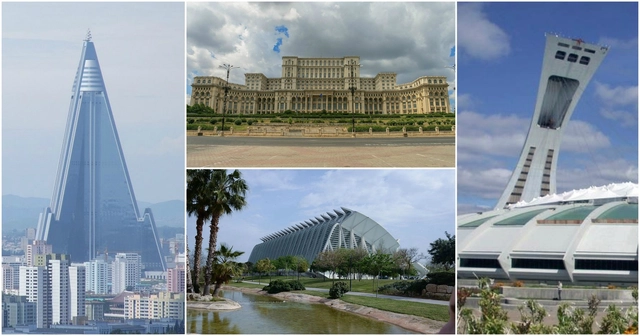
White Elephants: Over-Budget, Unsuccessful, and Embarrassing Architecture Projects From Around the World

Subscriber Access | 

Not every piece of architecture can be an economic and social success. But there is one dreaded term reserved for only the mot wasteful of projects: "white elephants." The term comes from a story of the kings of Siam, now Thailand, who would reportedly gift sacred albino elephants to courtiers they didn't like. Refusing the gift from the king would have been unacceptable, but being sacred, these animals were forbidden from work, leading the courtier to financial ruin—a fact the kings knew all too well.

Of course, in architecture the term "white elephant" is used frequently to disparage certain projects, and whether a project is deserving of such infamy is usually a matter of perspective. Often eyesores or reminders of poorly spent funds, these projects refuse to be forgotten despite few wanting to remember them. Dotted around the world and across history, they all have the same thing in common: although they may (or may not) have once looked good on paper, they probably should have just stayed on paper.