1. ArchDaily
  2. Vernacular Architecture

Vernacular Architecture: The Latest Architecture and News

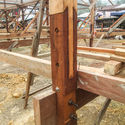
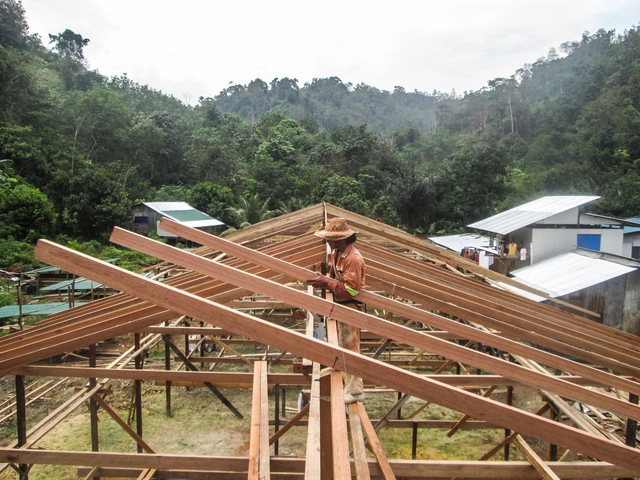
The Soul of a Community: How a Young Architect Helped Resurrect a Village Longhouse in Borneo

Subscriber Access | 

A version of this essay, originally titled "Rumah in the woods: Resurrection of the Nanga Sumpa Longhouse," reached the top 8 in this year's Berkeley Prize. It was shared with ArchDaily by the authors.

These bodies are perishable, but the dwellers in these are indestructible and impenetrable.

This verse from Bhagavad Gita (a Hindu religious scripture) speaks about the human body and soul. For me, even a piece of architecture has a soul which rests in its place. We can feel its presence even when the building is no longer there.

The Soul of a Community: How a Young Architect Helped Resurrect a Village Longhouse in Borneo - Image 1 of 4The Soul of a Community: How a Young Architect Helped Resurrect a Village Longhouse in Borneo - Image 2 of 4The Soul of a Community: How a Young Architect Helped Resurrect a Village Longhouse in Borneo - Image 3 of 4The Soul of a Community: How a Young Architect Helped Resurrect a Village Longhouse in Borneo - Image 4 of 4The Soul of a Community: How a Young Architect Helped Resurrect a Village Longhouse in Borneo - More Images+ 19

Why I Created a Database to Document African Vernacular Architecture

Subscriber Access | 

Architecture is a unique component of a country's culture just as much as its language, music, art, literature or food. Architecture is also the most visual of those cultural components; the pyramids in Egypt, skyscrapers in New York, a temple in Japan, and onion domes in Russia all convey a unique image. This is called “genius loci,” the “spirit of a place”. Every country has its own genius loci, its own uniqueness. Vernacular architecture is composed of local materials and derived from local customs, techniques that have been passed on from generation to generation. But vernacular architecture in most (if not all) African countries is disappearing, being abandoned for western materials and techniques.

Why I Created a Database to Document African Vernacular Architecture - Image 1 of 4Why I Created a Database to Document African Vernacular Architecture - Image 2 of 4Why I Created a Database to Document African Vernacular Architecture - Image 3 of 4Why I Created a Database to Document African Vernacular Architecture - Image 4 of 4Why I Created a Database to Document African Vernacular Architecture - More Images+ 9

Light Matters: Learning From Vernacular Windows

Before computer daylight simulations were used to optimize the atmosphere and energy in buildings, generations of builders developed simple principles to create the best windows for their site. Two lighting experts have studied these traditional openings in buildings to find inspiration for more sustainable designs today. Francesco Anselmo, a lighting designer at Arup, and John Mardaljevic, Professor of Building Daylight Modelling at the School of Civil & Building Engineering of Loughborough University, have analysed the sun and skylight variations from northern regions like Stockholm down to the equator in cities like Haiti or Abu Dhabi.

Read on to learn more about the variety of traditional windows.

Light Matters: Learning From Vernacular Windows - Image 1 of 4Light Matters: Learning From Vernacular Windows - Image 2 of 4Light Matters: Learning From Vernacular Windows - Image 3 of 4Light Matters: Learning From Vernacular Windows - Image 4 of 4Light Matters: Learning From Vernacular Windows - More Images+ 2

Vernacular Architecture and the 21st Century

Subscriber Access | 
Vernacular Architecture and the 21st Century - Image 3 of 4
Photo by Flickr user: seier + seier. Used under Creative Commons

Vernacular architecture, the simplest form of addressing human needs, is seemingly forgotten in modern architecture. However, due to recent rises in energy costs, the trend has sensibly swung the other way. Architects are embracing regionalism and cultural building traditions, given that these structures have proven to be energy efficient and altogether sustainable. In this time of rapid technological advancement and urbanization, there is still much to be learned from the traditional knowledge of vernacular construction. These low-tech methods of creating housing which is perfectly adapted to its locale are brilliant, for the reason that these are the principles which are more often ignored by prevailing architects.

More on vernacular architecture after the break.