Ethical practice spans all parts of architecture. From intersectionality and labor to the climate crisis, a designer must work with a range of conditions and contexts that inform the built environment and the process of its creation. Across cultures, policies and climates, architecture is as much functional and aesthetic as it is political, social, economic, and ecological. By addressing the ethics of practice, designers can reimagine the discipline's impact and who it serves.
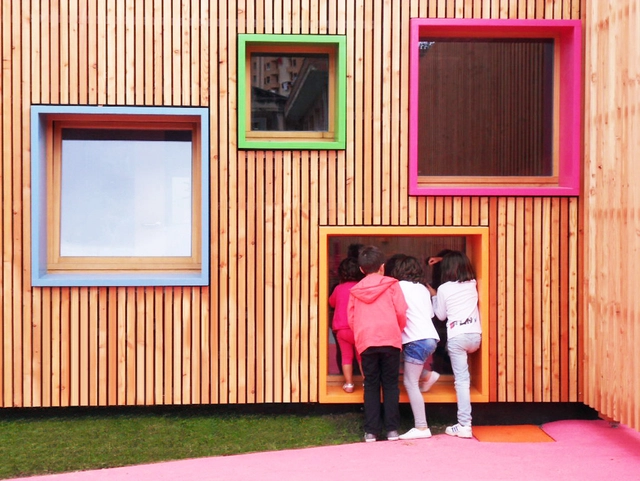
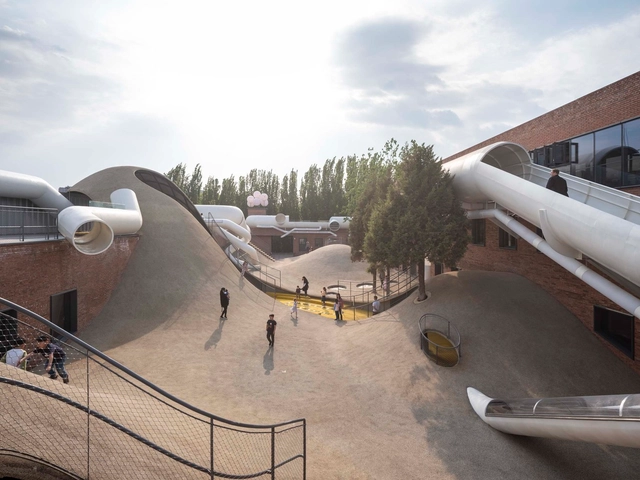
Novo edifício de educação infantil e creche em Zaldibar / Hiribarren-Gonzalez + Estudio Urgari. Courtesy of Egoin
The definition of equity in dictionaries is the quality of giving equal treatment to everyone while still acknowledging the differences between individuals. In this sense, equity means fairness in the way we act toward each person but keeping in mind his or her specific characteristics and needs. From a medical perspective, equity implies that everyone needs care and attention but not necessarily the same. It is also worth mentioning that the terms equity and equality are often used interchangeably but they mean different things, mainly because equality is based on the principle of universal rights, in which all individuals are subject to the same rules, without exception.
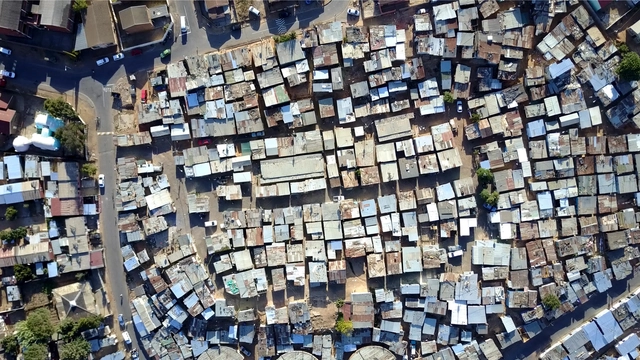
María Cristina Cravino, the head of numerous research projects and publications on informal settlements and the politics of public habitation, draws from her background in anthropology to become one of the most prominent voices in the discussion about rights to the city and modern urban conflicts.
To get her perspective, we sat down with Cravino to discuss her observations and understanding of the issue--especially in the context of quarantine and lockdowns--as well as her reflections on the role of academia in exploring the problem and finding solutions.
This year both organizations have defined themes related to improving the quality of life and reducing the effects of the climate crisis by taking action in the built environment. While the International Union of Architects' 2021 World Architecture Day theme is "Clean Environment for a Healthy World", UN-Habitat's World Habitat Day has announced "Accelerating Urban Action for a Carbon-Free World" as their topic.
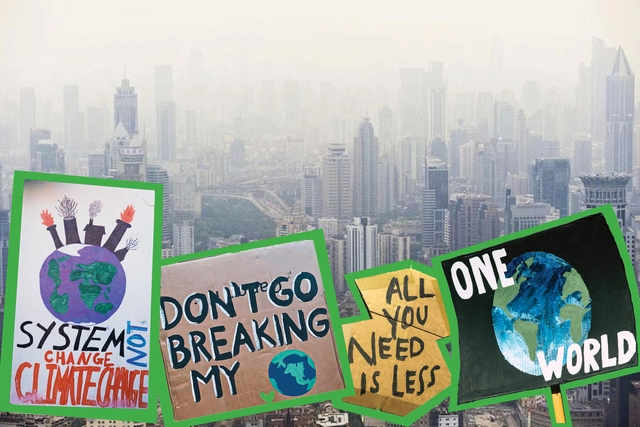
The impact that the climate crisis has had on the globe over the last decade is a critical influence on how architects and urban planners design future cities. It’s clear that both at an individual and corporate level, it’s important to take action and protect the earth before the negative impacts change our familiar environments forever- and time is running out fast. When it comes to creating ways to save our cities from “the next big one”, whether it be a hurricane, flood, snowstorm, or fire, the way that we design the preventative infrastructure neglects a significant number of people. Climate change doesn’t just impact the wealthiest places in the world, it actually has greater effects on the most impoverished.
Cities we live in today have been built on principles designed decades ago, with prospects of ensuring that they are habitable by everyone. Throughout history, cities have been catalysts of economic growth, serving as focal points for businesses and migration. However, in the last decade, particularly during the last couple of years, the world has witnessed drastic reconfigurations in the way societies work, live, and commute.
Today’s urban fabric highlights two demographic patterns: rapid urbanization and large youth populations. Cities, although growing in scale, have in fact become younger, with nearly four billion of the world’s population under the age of 30 living in urban areas, and by 2030, UN-Habitat expects 60% of urban populations to be under the age of 18. So when it comes to urban planning and the future of cities, it is evident that the youth should be part of the conversation.
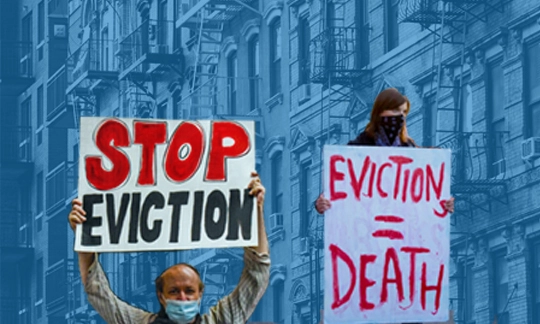
One of the big economic factors of the COVID-19 pandemic has been the issue of tenant evictions and rent moratoriums. As millions of people quickly lost their jobs, it meant that they began to struggle to pay their rents. Now, as the economy slowly begins to recover and some return to work, there’s been pushback on the moratoriums, with landlords and tenants being split on how to move forward with the future payments. Tenants still can’t pay their rent and landlords themselves are burdened by the lack of income. But what this tug of war really sheds light on is how out of reach the costs of living have become in some of the densest cities, and how housing in some ways has been seen as an amenity, not a necessity or a basic right- even in a global pandemic.
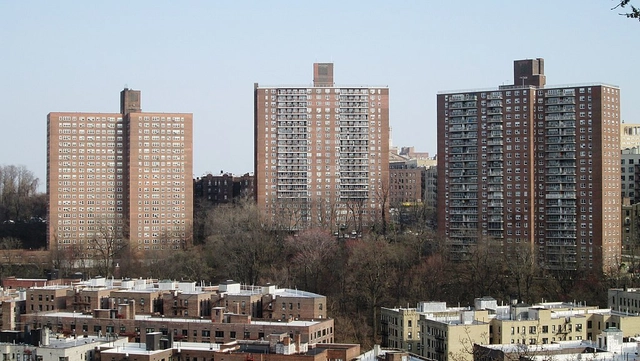
In the world of design and urban planning, aesthetics and functionality seem to take the spotlight, especially in how large-scale housing projects are developed. While this can be a good thing that continuously pushes the modern boundary of what we consider to be a dwelling, in some aspects, it has shined a negative light on how we perceive and stigmatize “bad design” in public and affordable housing, the socioeconomic factors that have created the need for it, and the types of residents who benefit most from these types of housing policies.
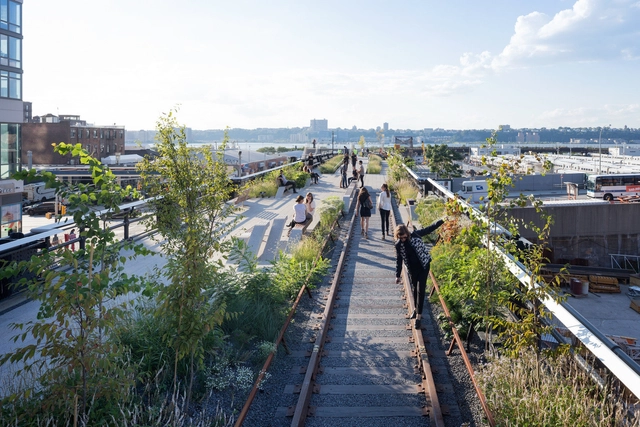
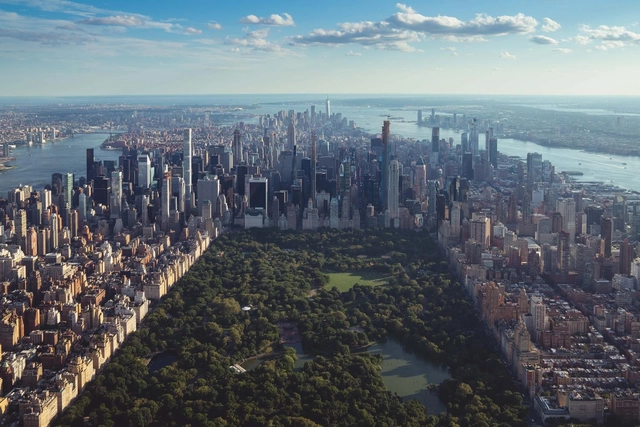
Around the world, the COVID-19 pandemic exposed the fact that some of the poorest people were hit the hardest by not only the impacts the virus had on public health but also the social and economic shockwaves that came as a result. And now, as we emerge on the other side yet also enter the second wave of restrictions around the globe, urban planners and government officials are beginning to realize that the pandemic has pulled back the curtains on another inequitable feature of cities- the proximity to public parks and spaces.
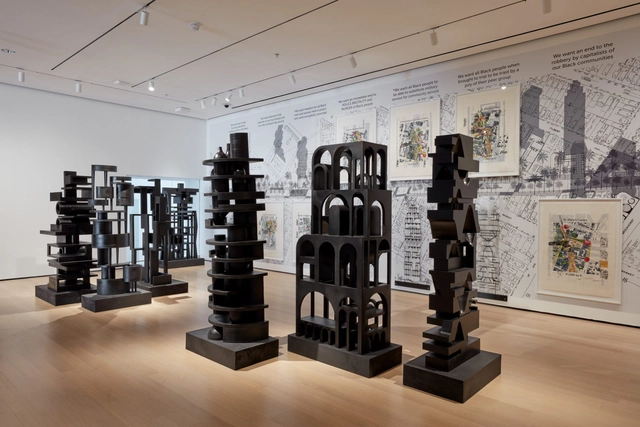
Reconstructions: Architecture and Blackness in America. Image Courtesy of The Museum of Modern Art, Robert Gerhardt
The Museum of Modern Art has launched Reconstructions: Architecture and Blackness in America, the fourth installment of the Issues in Contemporary Architecture series. Investigating the intersections of architecture, Blackness and anti–Black racism in the American context, the exhibition and accompanying publication examine contemporary architecture in the context of how systemic racism has fostered violent histories of discrimination and injustice in the United States.
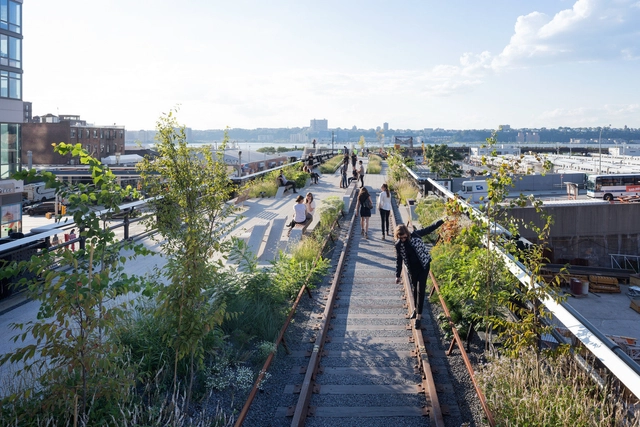
Understanding what drives economic, social, and educational disparities between communities is one of urbanism’s most critical and highly-discussed topics. It’s an increasingly complex issue, with many factors at play- one of them being the design and location of desirable urban green spaces. While sometimes they are a tool that helps to bolster underserved communities in terms of health and economic benefits, safety, and climate resistance, other times they can actually drive out the residents that they are created to serve. Now, the challenge lies in how to design these recreational sites to create better futures for all.
Human-centered design places people at the center of our cities. Using this philosophy to rethink traditional approaches to planning, the architectural and urban designer Zarith Pineda founded Territorial Empathy. Pineda's research lab specializes in mitigating urban conflict through architectural interventions. Over the last few years, her team has been working to create a deeper understanding of equity and empathy.
Accessibility and mobility. When perceived through the architectural lens, these terms often evoke a range capped by two extremes. On the one end, the flexibility of circulation systems; the universality of egress networks; and the technicalities of minimums and maximums. On the other end, a project’s capacity to support broad ranges of socioeconomic narratives; its malleability in the face of rapid fluctuations of program and function; and its reactivity in maintaining a productive role amidst the ebbs and flows of societal dynamics.
Griffin founded the consultancy Urban Planning for the American City, which she complements with her pedagogical work at Harvard University’s Graduate School of Design.
Since its emergence with the cultural turn in the 1970s and ’80s, spatial justice has become a rallying cry among activists, planners, and plugged-in architects. But as with many concepts with academic origins, its precepts often remain elusive and uninterrogated. Though some of this has changed with the advent of city- and place-making discourse, few are doing as much to lend articulation, nuance, and malleability to spatial justice as Toni Griffin. A Chicago native, Griffin practiced architecture at SOM for nearly a decade before leaving the city to work as a planner in Newark and Washington, D.C., among other municipalities. In 2009, she founded the consultancy Urban Planning for the American City, which she complements with her pedagogical work at Harvard University’s Graduate School of Design. There, she runs the Just City Lab, which, through research and a host of programs, aims to develop, disseminate, and evaluate tools for enhancing justice—and remediating chronic, systematized injustice—in America’s cities. But what form could justice take in the U.S. context, and how can architects and designers help? Metropolis spoke with Griffin about how focusing on inclusivity and embracing interdependence and complexity are parts of the answer.