
-
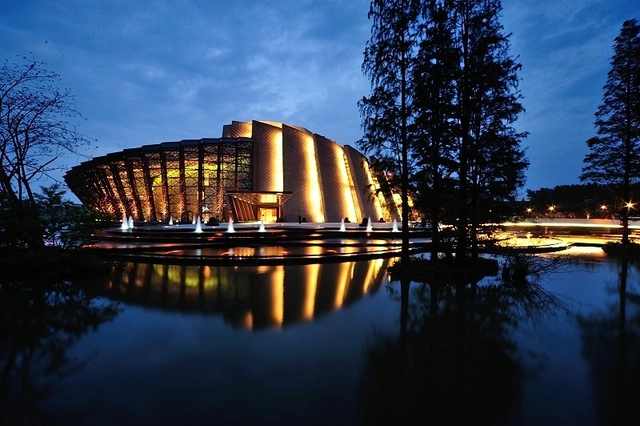
Architects: KRIS YAO | ARTECH
- Area: 21750 m²
- Year: 2010


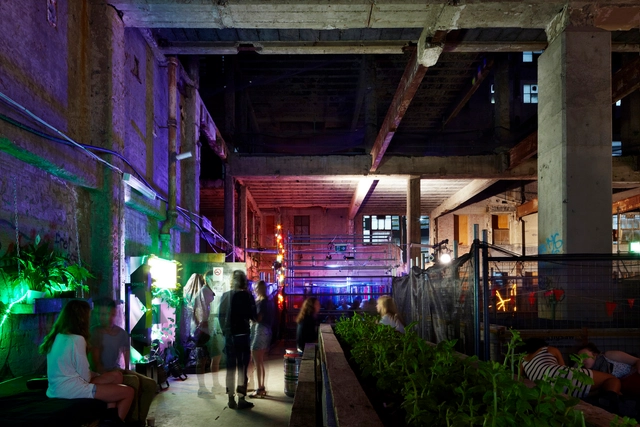
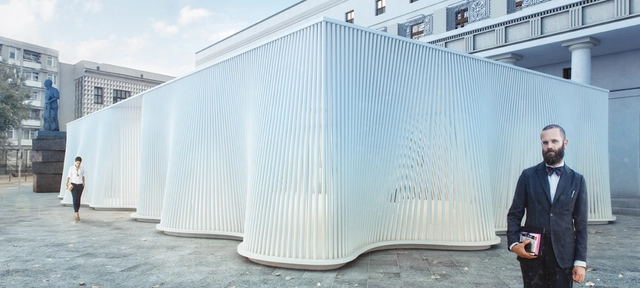
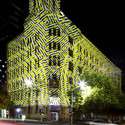
Inspired by the movement of the curtain, an element inherently connected with the theatre, this second prize winning proposal for the Operlab competition focuses on this movement to induce the emotions of the viewers. Designed by Rafal Oleksik and Krzysiek Stepien, it was crucial in the proposed concept of the pavilion to induce such emotions to encourage people to enter the facility, and at the same time, allow them to become a part of the show whether it be exhibitions, screenings, a concert or a discussion. More images and architects’ description after the break.
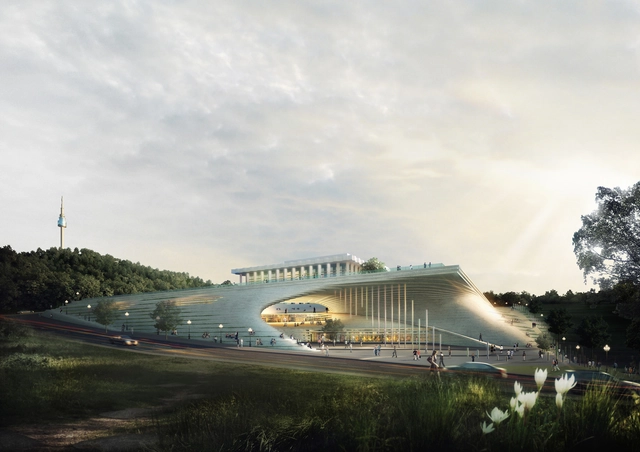
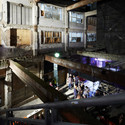
Designed by Archiplan, their second prize winning proposal for the Performing Arts Studio of the National Theatre of Korea is an extension design concept for the performers practice facilities in the basement of the existing plaza. The main issue is the vitalization of the environment which is now 'blocked' by the retaining wall on the edge of the main road and by the steep slope that makes a disconnection of the site. By embracing art, culture, and the city itself, this proposal connects the two-dimensional old theatre-plaza and the nearby park to link the performer and the citizens while allowing the art and culture flow well. More images and architects’ description after the break.
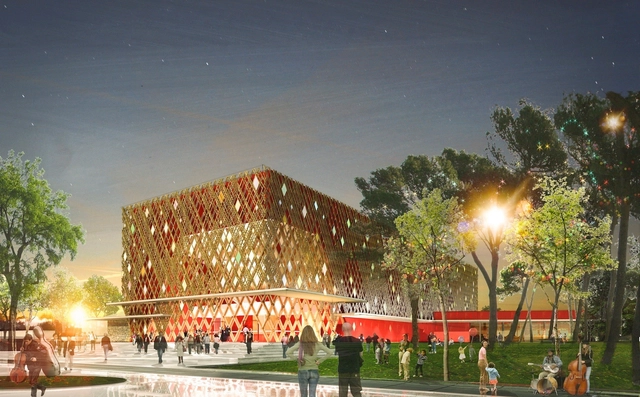
The renowned Montpellier architecture firm A+ Architecture has been entrusted with the project of building a new site at the domaine d’O, the Jean-Claude Carrière theatre. A unique and environmentally friendly project, the project is based on a global environmental approach aiming for general energy efficiency and for environmental quality standards. Other than the slab that supports it, the entire structure could be dismantled and rebuilt on a different site. The unique design is enhanced by a light wooden lozenge structure recovering the entire building. More images and architects' description after the break.

The Odate Jukai Dome in the Akita Prefecture of Japan was completed by Toyo Ito in June 1997. The project is another example of the architect's impressive canon, making use of cutting edge technology and bringing architecture closer to people. Seemingly floating a few meters above the ground, the dome leaves space for the people to flow in comfortably, while the use of wood is itself a way of bringing nature into architecture while adopting the latest technological advancements.
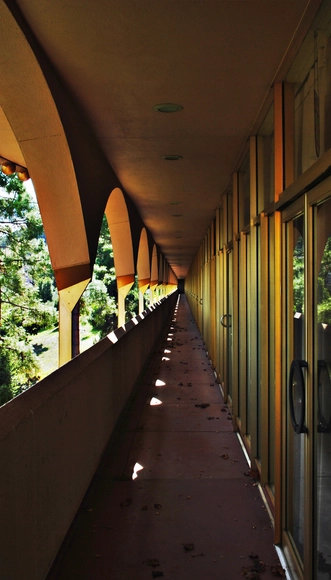
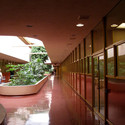
The Marin County Civic Center was Frank Lloyd Wright's last commission and largest public project, including several civic functions that would serve Marin County and San Francisco, which after the opening of the Golden Gate Bridge became closer than ever. Wright was selected for the project in 1957, winning a vote out of hope he would be able to best represent a democratic government open to the people through the Civic Center.

Zaha Hadid Architects (ZHA) have unveiled an ambitious cultural mega center, which began to take shape in October after the project broke ground in the heart of Changsha, China. In true Hadid-fashion, the Changsha Meixi Lake International Culture & Arts Center defines itself by extreme sinuous curves that radiate from each of the three independent structures and links them by a pedestrianized landscape that offers a “strong urban experience”, forming what they hope to be a global destination for performance art.
More on the cultural and arts center after the break...


Architects: Hans Scharoun Location: Berlin, Germany Architect: Hans Scharoun References: greatbuildings.com, wikiarquitectura.com Year: 1963 Photographs: Courtesy of Wikimedia Commons, Photographs of Architecture
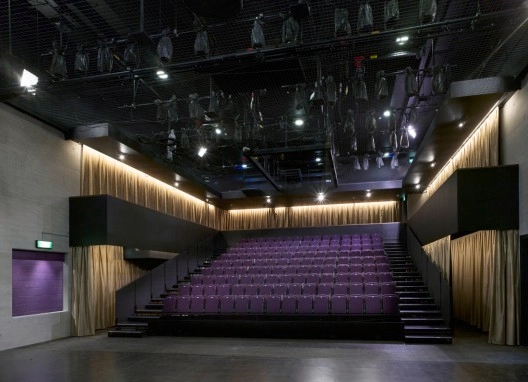
There are few things more entertaining than enjoying a good show in a good theatre. From all over Europe and USA, we bring you our Round Up of previously featured theatres in ArchDaily.

Massimiliano and Doriana Fuksas has designed the facility for the dramatic 2009 season of the National Institute of Ancient Drama.