1. ArchDaily
  2. The Olympics

The Olympics: The Latest Architecture and News

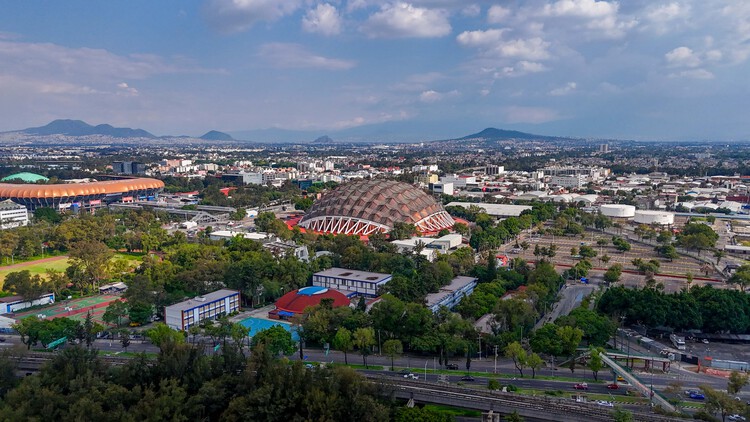
Beyond the Shell: Félix Candela’s Palacio de los Deportes for the 1968 Mexico Olympics

When Mexico City hosted the Olympics in 1968, it was the first time the Games had been awarded to a Latin American country as well as the first time for a Spanish-speaking nation to host them. This made the games a good opportunity to project Mexico and its culture internationally, thus prompting the government to constitute an organizing committee with prominent local talent. They appointed Pedro Ramírez Vázquez as its president, a Mexican architect who held significant influence over the state's mid-century building program. His approach was explicit: architecture as a synthesis of international modernist technique with Pre-Columbian references and local material culture. Under his direction, the committee would oversee the construction and adaptation of venues distributed across the southern districts of Mexico City, nearly all designed and built by local architects, engineers, and technicians.
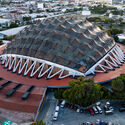
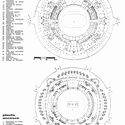
Beyond the Shell: Félix Candela’s Palacio de los Deportes for the 1968 Mexico Olympics - Image 1 of 4Beyond the Shell: Félix Candela’s Palacio de los Deportes for the 1968 Mexico Olympics - Image 2 of 4Beyond the Shell: Félix Candela’s Palacio de los Deportes for the 1968 Mexico Olympics - Image 3 of 4Beyond the Shell: Félix Candela’s Palacio de los Deportes for the 1968 Mexico Olympics - Image 4 of 4Beyond the Shell: Félix Candela’s Palacio de los Deportes for the 1968 Mexico Olympics - More Images+ 7

The Montreal Biodome: From Olympic Velodrome to a Space for Life

The history of the Olympic Games, while marked by athletic achievement, is consistently contrasted by infrastructure challenges. Across host cities, from Athens to Rio and Beijing, similar issues arise: significant cost overruns and the complex issue of legacy. The big question is: What is the best viable long-term use for purpose-built sport venues? Montreal's 1976 Games shared this fate after building an Olympic Park that faced heavy criticism for cost overruns and debt from specialized construction. Post-Games, venues like the Montreal Velodrome risked becoming a financial burden. However, the city demonstrated a proactive response by proposing the transformation of the building into a thriving civic asset that now stands as an internationally recognized example of successful Olympic venue repurposing.

The Montreal Biodome: From Olympic Velodrome to a Space for Life - Image 1 of 4The Montreal Biodome: From Olympic Velodrome to a Space for Life - Image 2 of 4The Montreal Biodome: From Olympic Velodrome to a Space for Life - Image 3 of 4The Montreal Biodome: From Olympic Velodrome to a Space for Life - Image 4 of 4The Montreal Biodome: From Olympic Velodrome to a Space for Life - More Images+ 4

Dominique Perrault Reveals Athletes' Village for 2024 Paris Olympics

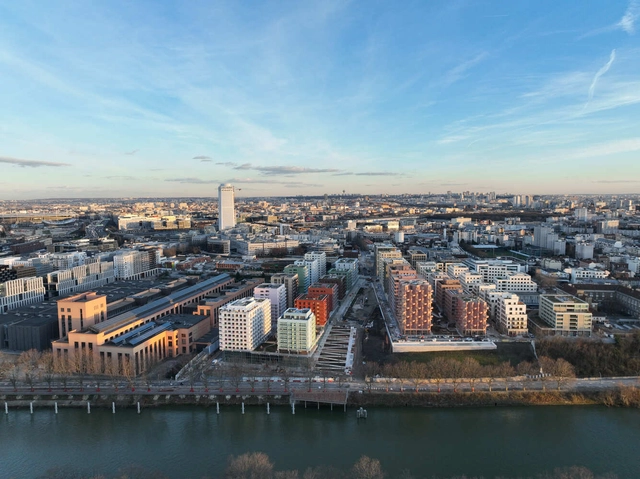
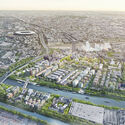
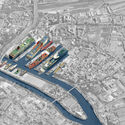
On Friday, July 26th, Paris began the long-awaited Olympic and Paralympic Games. Located in the city’s Seine-Saint-Denis district, Dominque Perrault Architecture designed the master plan for the Athletes Village. Featuring 2,400 housing units and 119,000 square meters of various activities, offices, and services, this master plan has become a significant portion of the legacy of the Paris Games.

Dominique Perrault Reveals Athletes' Village for 2024 Paris Olympics - Image 1 of 4Dominique Perrault Reveals Athletes' Village for 2024 Paris Olympics - Image 2 of 4Dominique Perrault Reveals Athletes' Village for 2024 Paris Olympics - Image 3 of 4Dominique Perrault Reveals Athletes' Village for 2024 Paris Olympics - Image 4 of 4Dominique Perrault Reveals Athletes' Village for 2024 Paris Olympics - More Images+ 22

Olympic Legacy: Adaptive Reuse & Designing for Cities

Subscriber Access | 

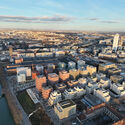
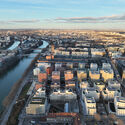
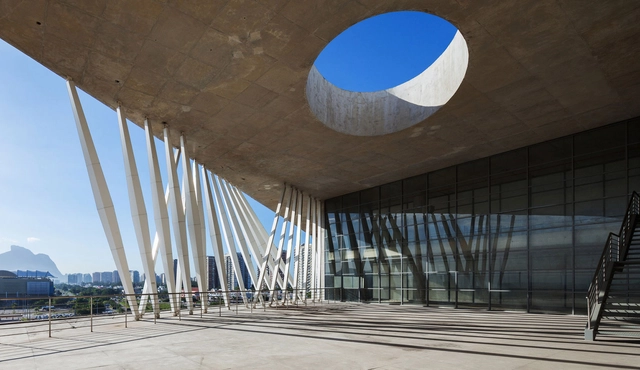
Few cultural events bring the world together like the Olympics. Today, athletes from around the world continue to participate in a variety of competitions after the covid-19 pandemic. The Olympic Games are considered the world's foremost sports competition with more than 200 nations participating. In turn, they bring to question the role of architecture and design in each host city's urban evolution.

Olympic Legacy: Adaptive Reuse & Designing for Cities - Image 1 of 4Olympic Legacy: Adaptive Reuse & Designing for Cities - Image 2 of 4Olympic Legacy: Adaptive Reuse & Designing for Cities - Image 3 of 4Olympic Legacy: Adaptive Reuse & Designing for Cities - Image 4 of 4Olympic Legacy: Adaptive Reuse & Designing for Cities - More Images+ 2