Since the dawn of the modern era, there has been a strong relationship between architecture and the car, especially in the works of Le Corbusier.
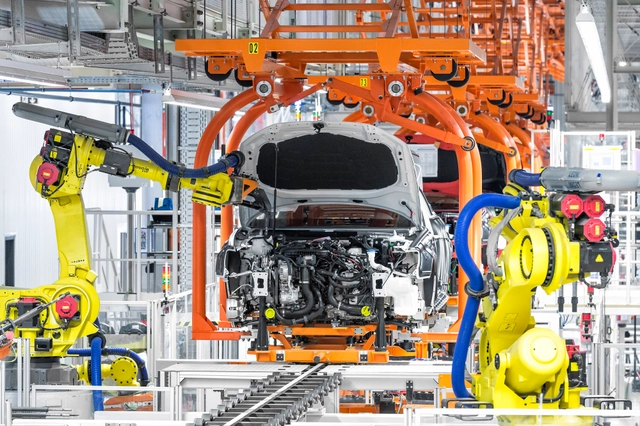
Le Corbusier was fascinated by his car (the Voisin C7 Lumineuse); the aesthetics of this functional, mass produced machine deeply influenced his designs. Its focus on function translated into his concept that houses should be "machines for living" and inspired a series of experiments of mass produced, pre-fab houses (such as the Maison Citrohan). Most of these concepts were later materialized in the iconic Villa Savoye, whose floorplan was even designed to accommodate the car's turning radius.
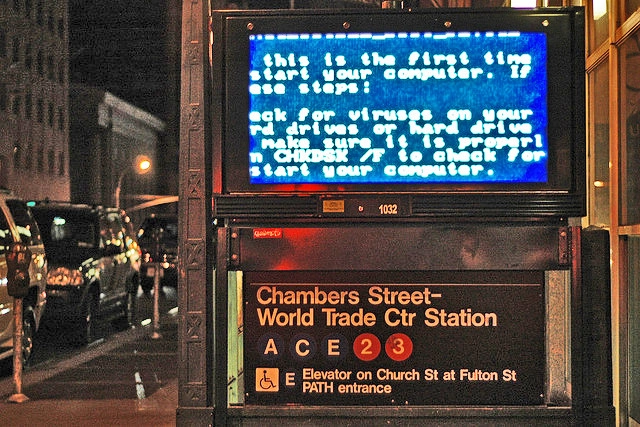
An interesting essay by Anthony Townsend in Design Observer investigates a largely unconsidered aspect of smart cities: what happens if (or perhaps when) they malfunction? Townsend argues that as technology seeps into every aspect of our life within a complex system such as a smart city, glitches and bugs are likely to be magnified many times. He also explains that many of the communications systems that smart cities will rely on are insufficiently resilient, meaning entire cities could be vulnerable to failure or attack - an issue that will not sit well with the AIA. You can read the whole essay here.
Powerful video projectors at an affordable price have opened the path for a young, impressive art form: 3D video mapping, a means of projection that uses the architecture itself as the screen. Artists and researchers initiated the movement, developing a new visual language to interpret architecture. Later, marketing adopted this technique for branding, with large-scale projections on skyscrapers; political activists have also initiated dialogues, turning ephemeral light interventions into eye-catching ways to point out and address urban design issues.
More on the ways artists and groups develop this visual language for urban storytelling, after the break…
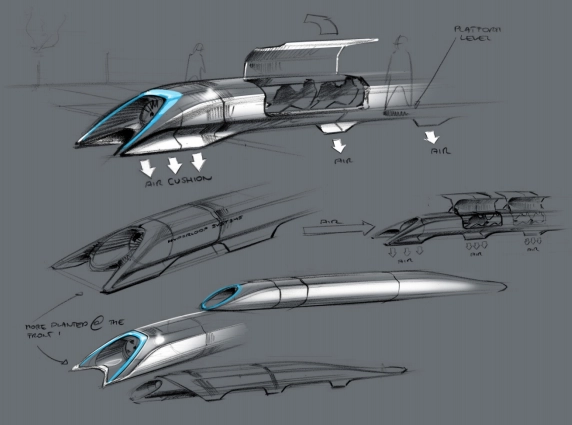
Imagine driving your car into a sizable aluminum pod and being shot 800 miles per hour through an elevated, shotgun-like barrel to arrive at a city 400 miles away within 30 minutes. According to Elon Musk, CEO of SpaceX and co-founder of Tesla Motors, Californians will be doing this within the next decade.
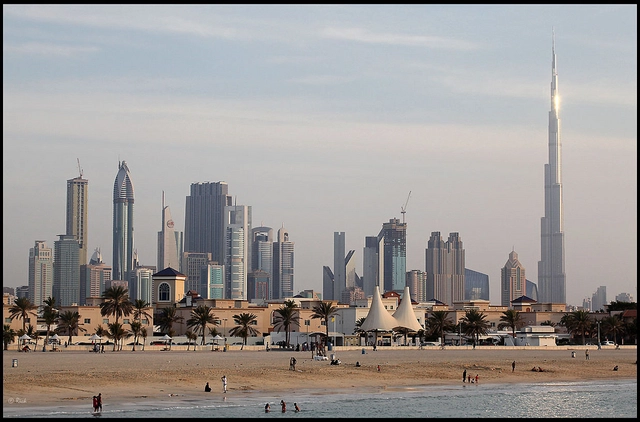
Finnish elevator manufacturer KONE has unveiled a new hoisting technology that will enable elevators to travel twice the distance currently in use. The new development implies that the Burj Khalifa will not remain the tallest building for very long. The Burj, towering at 828 meters, has the longest elevator travel distance at 504 meters. KONE promises to double that.
Last year interdisciplinary architecture firm Höweler + Yoon Architecture were announced the winners of the Audi Urban Future Award for the project Boswash:Shareway 2030. The City Dossier in Boston, held this May, was organized as a series of workshops between Höweler + Yoon Architecture and Audi experts in developing steps to realize aspects of the Boswash: Shareway vision. Part research project, part feasibility study, part road map to the future of mobility - the focus of the workshops is to propose a pilot project that can be tested in the proposed region of Boston - Washington.
We featured the project last year as it highlights how the landscape of urban development has changed. The focus of "Shareway" is the string of high-density metropolitan areas, their suburbs and ex-urbs along I-95 between Boston, MA and Washington, DC. The I-95 corridor caters to some fifty million inhabitants, many of whom commute into metropolitan areas for work. Mobility and transportation are critical to the economic vitality of these urban areas; "Shareway" proposes an intentionally re-engineered "highly orchestrated and deliberately produced platform from which we might imagine alternate paths, different trajectories, or new cultural dreams" whereby imagining an "alternate life for the road" is imagining a new American Dream.
Read on for more on the progress of this project after the break.
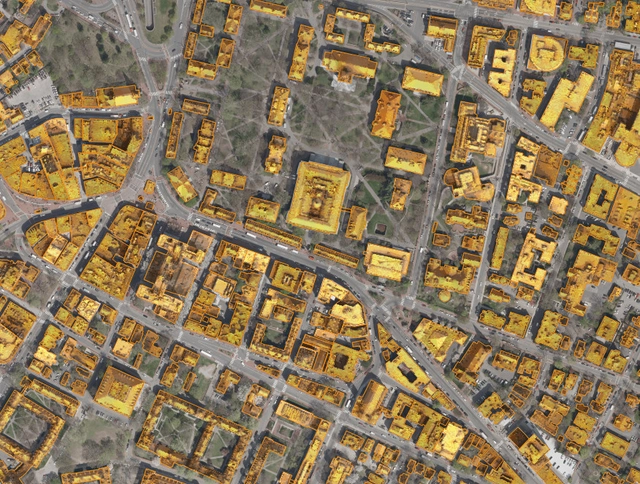
The Mapdwell Project is a collaborative effort of researchers, academics, and professionals from MIT from a range of fields - design, building technology, engineering, environmental sciences, finance, and computer sciences - to develop a community resource of research-driven and tested information of sustainable practices.
The fundamental goal of Mapdwell is to deliver a tool that enables communities to make informed decisions about how to incorporate sustainable practices into their lifestyles through community awareness, and access to information about energy efficiency and smart development.
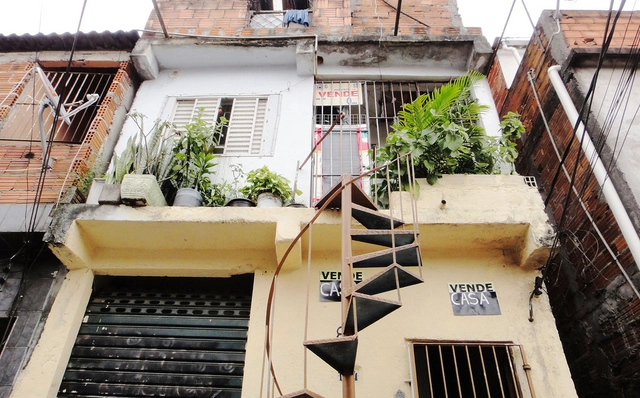
Meagan Durlak and James Frankis, both students studying Transdisciplinary Design at Parsons New School for Design, have developed a mobile mapping tool to unveil the true dynamics of informal slum communities, as revealed by Metropolis Magazine.
The system, called Mark, is being tested in the Heliopolis favela of Sao Paulo, Brazil, after which the duo hope it will be "scalable and adaptable" enough to be applied to other informal settlements all over the world. The SMS-based tool is designed not only to provide information about the settlements to external organizations, but also to be a sharing platform for the residents who become cartographers of their own neighborhood.
Read about the motivation behind the Mark project after the break
There are many ways that the architecture profession has lead the way in environmentally friendly design - but when it comes to the process of creating buildings themselves, the industry works its way through huge amounts of paper. Frank Gehry, through his offshoot technology company Gehry Technologies, is aiming to change that.
The company has recently announced that its GTeam software, which has so far been available for less than a year, will now make use of Box, a cloud based storage system that is well suited to large files associated with complex 3D models that are often required in designing buildings.
Read more about Gehry Technology's new software collaboration after the break
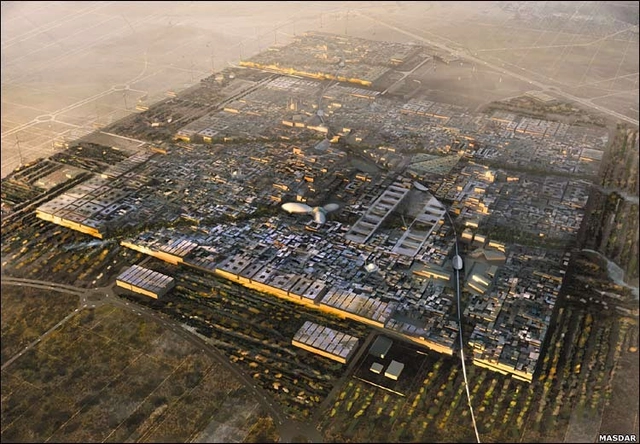
Arguably the biggest buzzword in urbanism right now is the 'Smart City'. The idea, although certainly inclusive of eco-friendly practices, has even replaced “sustainability” as the major intent of cities planning for positive future development. Smart City thinking has been used successfully in countries as diverse as Brazil, the US, the UAE, South Korea, and Scotland (Glasgow just won a £24million grant to pioneer new schemes throughout the city).
But what exactly are Smart Cities? What benefit do they bring us? And, more importantly, how can we best implement them to secure our future?
The answer, in my opinion, lies in the hands of architects.
More on the potential of Smart Cities after the break...
Graphic designer and curator Kenya Hara has put together a three week-long exhibition in Tokyo focusing on the future of the Japanese house. Hara argues that the housing industry can no longer be isolated but must be combined with other industries, technologies and ideas, including energy, transportation, communication, household appliances, the "vision of happiness" pursued by adults, the representation of Japanese traditions and aesthetics as well as a future vision of health. All of these elements he hopes to present and discuss at the House Vision Exhibition where more than ten types of futuristic houses are on display and daily seminars with expert urban planners, developers, contractors, architects, telecom and even gas organizations have been taking place.
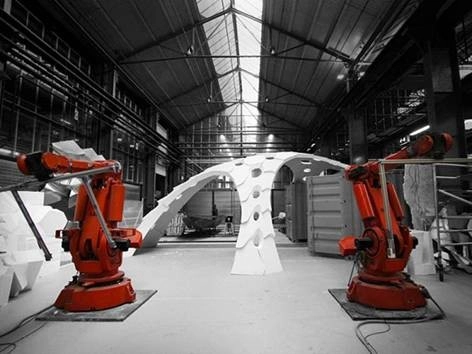
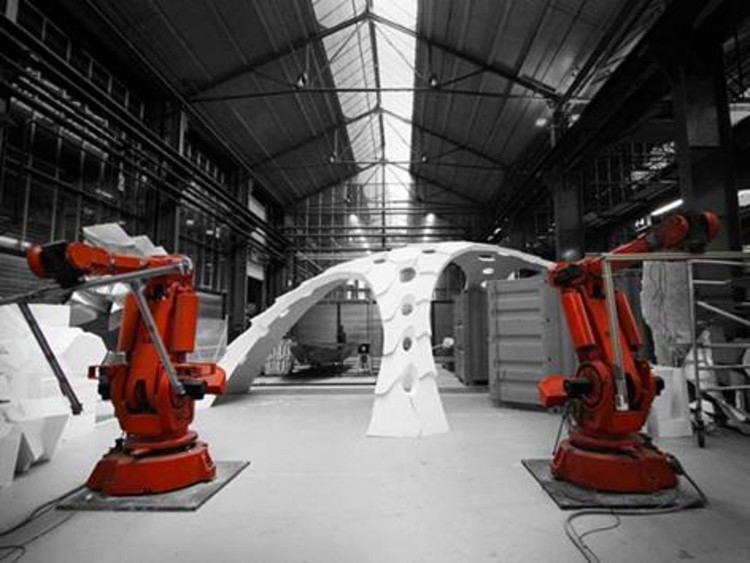
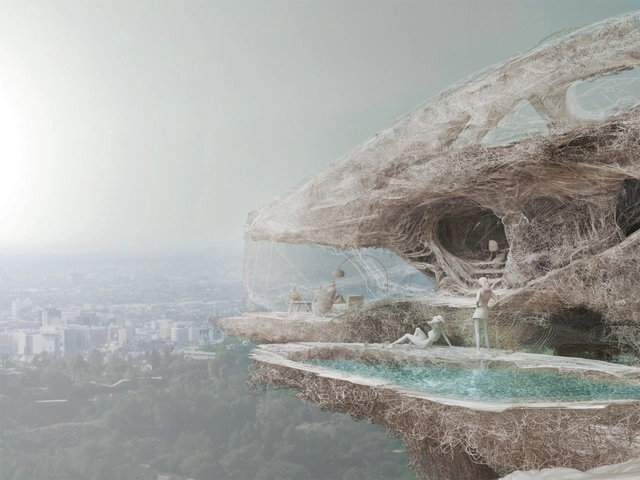
Robots fascinate us. Their ability to move and act autonomously is visually and intellectually seductive. We write about them, put them in movies, and watch them elevate menial tasks like turning a doorknob into an act of technological genius. For years, they have been employed by industrial manufacturers, but until recently, never quite considered seriously by architects. Sure, some architects might have let their imaginations wander, like Archigram did for their "Walking City", but not many thought to actually make architecture with robots. Now, in our age of digitalization, virtualization, and automation, the relationship between architects and robots seems to be blooming...check it out.
Keep reading to see five new robots making architecture.
Last year, Google founder Sergey Brin demoed Google Glass a new technology from the big G that puts an augmented reality display in front of your eye. The device is scheduled for early release to developers and creatives (in order to get feedback before the $1,500 product finds its way to the general public) in just a few weeks, but it has already been highly acclaimed by the media (including Best Inventions of the Year 2012 by Time).
3-D printing technology has made immense leaps in the last few years as equipment and specialized programming has been refined to produced fully occupiable and usable spaces. In previous articles, ArchDaily has discussed the numerous advances in 3-D printing technology and their potential applications. 3d-printed dwellings on the moon made of sand via D-Shape, full-scale rooms via the KamerMaker and a personal printer for your kids called the MakerBot are just some speculative and experimental prototypes that have emerged from extensive research and development. The designers of the next experiment in 3-D printing is design group, Softkill Design, which includes Nicholette Chan, Gilles Retsin, Aaron Silver, and Sophia Tang within the Architectural Association School's Design Research Lab at the 'behavioral matter' studio of Robert Stuart-Smith. Last year Softkill Design completed ProtoHouse 1.0, a high-resolution prototype of a house printed at 1:33 scale. Research prototypes were generously supported by Materialise.
More details on the technology and images of ProtoHouse1.0 after the break.
As a designer, architect, artist and founder of the Mediated Matter group at MIT’s Media Lab, Neri Oxman has dedicated her career to exploring how digital design and fabrication technologies can mediate between matter and environment to radically evolve the way we design and construct our built world. In this article, which was first published by CNN, Oxman discusses the future of 3D printing buildings with five tenets of a new kind of architecture.
As the Atlantic Cities best describes, “Leave it to Japan to turn one of the dirtiest and noisiest processes of the urban lifecycle – the demolition of highrises – into a neat, quiet and almost cute affair.”
Japanese construction company Taisei Corporation has discovered a new, more efficient way to disassemble, rather than demolish, a tall building over 100 meters. The process, known as Taisei’s Ecological Reproduction System or Tecorep, begins by transforming the structure’s top floors into an enclosed “cap”, which is then supported by temporary columns and powerful jacks. As demolition workers begin to disassemble the building from within, they use interior cranes to lower materials. After dismantling an entire floor, the jacks quietly lower the “cap” and the process is repeated.
“It’s kind of like having a disassembly factory on top of the building and putting a big hat there, and then the building shrinks,” says one Taisei engineer, according to this report in the Japan Times.
Learn about the advantages of this process after the break.
The future of design requires thinking innovatively about the way current construction techniques function so we may expand upon their capabilities. Sustainability has evolved far beyond being a trend and has become an indelible part of this design process. Sustainable solutions have always pushed against the status quo of design and now the Structural Technology Group of UniversitatPolitècnicadeCatalunya – BarcelonaTech (UPC) has developed a concrete that sustains and encourages the growth of a multitude of biological organisms on its surface.
We have seen renditions of the vertical garden and vegetated facades, but what sets the biological concrete apart from these other systems is that it is an integral part of the structure. According to an article in Science Daily, the system is composed of three layers on top of the structural elements that together provide ecological, thermal and aesthetic advantages for the building.
Elevators have been around for quite a long time; maybe not those that soar to hundreds of feet in a matter of seconds, but the primitive ancestors of this technology, often man-powered, were developed as early as the 3rd century BC. These early wheel and belt operated platforms provided the lift that would eventually evolve into the “ascending rooms” that allow supertall skyscrapers (above 300 meters) to dominate skylines in cities across the world. Elevators can be given credit for a lot of progress in architecture and urban planning. Their invention and development allowed for the building and inhabiting of the structures we see today.
Supertall skyscrapers are becoming more common as cities and architects race to the top of the skyline, inching their way further up into the atmosphere. These buildings are structural challenges as engineers must develop building technologies that can withstand the forces of high altitudes and tall structures. But what of the practical matter of moving through these buildings? What does it mean for vertical conveyance? How must elevators evolve to accommodate the practical use of these supertall structures?