

-
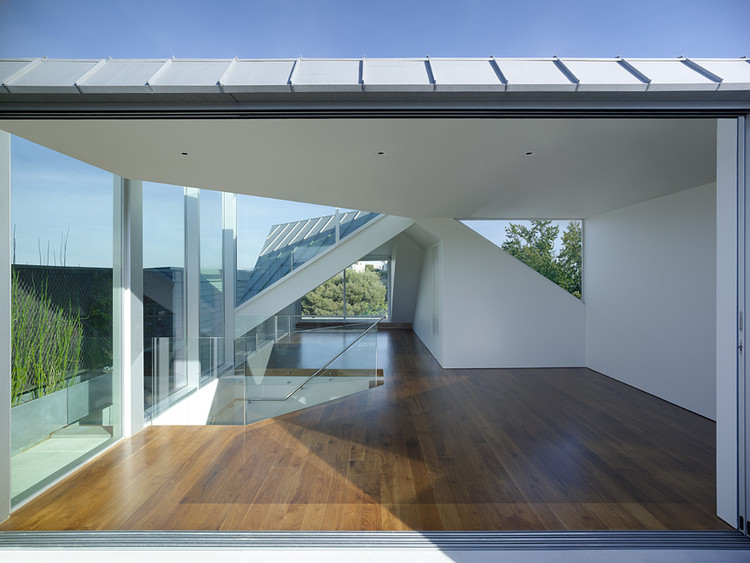
Architects: Craig Steely Architecture
- Area: 1500 ft²
- Year: 2008



This week we are featuring San Francisco for our Architecture City Guide series. Thank you to all of our readers for adding their can’t miss buildings last week. We hope to see your comments below this week too.
Follow the break for our San Francisco list and a corresponding map!

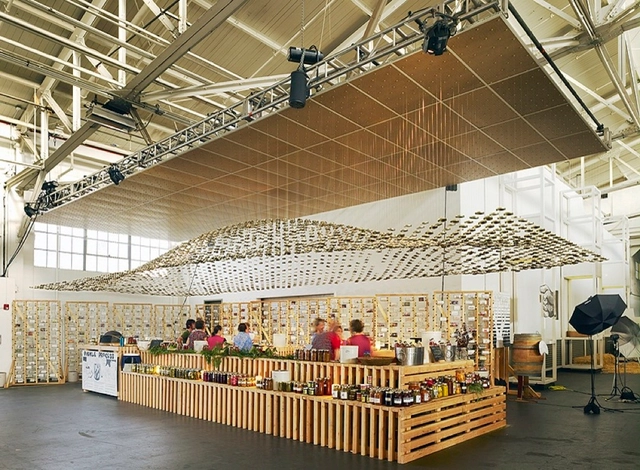
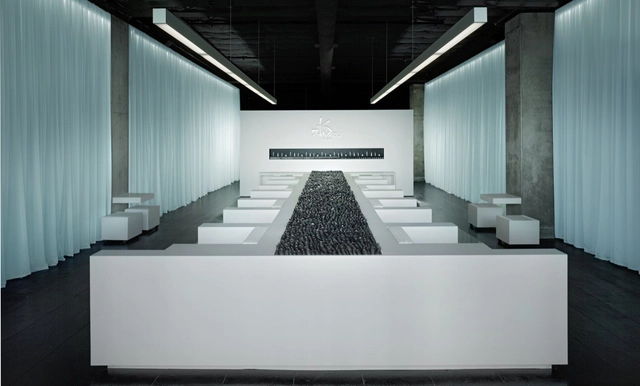
“How Wine Became Modern: Design + Wine 1976 to Now” is a brand new exhibit at the San Francisco Modern Museum of Art. Co-created and designed by Diller Scofidio + Renfro, the exhibit was organized by Henry Urbach, SFMOMA’s Helen Hilton Raiser Curator of Architecture and Design. Bringing attention to the wine industry and its integration with the latest artists, designers and architects the exhibit will be on display at SFMOMA until April. A main part of the exhibit is featuring the architectural spaces that house the wine making process, tastings, museums, etc. Some big name architects who have developed designs for cutting-edge wineries include: Zaha Hadid, Frank Gehry, Norman Foster, Herzog and de Meuron, Renzo Piano and Alvaro Siza.



Presidio Habitats is a site-based art exhibition celebrating the wild Presidio. It began with an invitation to an international group of artists, architects, and designers to submit a proposal for a temporary habitat sculpture serving a Presidio “animal client.”

This year is looking positive for women in the architectural field in San Francisco. As The Architect’s Newspaper reported, the city just sent out an RFQ to firms for its “as-needed work” list, a procedure which happens every three years.


San Francisco’s newest transit hub will centralize all the transportation in the city by accomodating nine systems under one roof. Pelli Clarke Pelli Architects have designed a new terminal, a 1.3 mile extension of the Caltrain rail line, and the redevelopment of the surrounding area which will add 2,600 new homes, a 5.4 acre park roof and a retail street. And a loan of over $170 million given by the Transportation Infrastructure Finance and Innovation Act has given the project an extra push foward. Once completed in 2014, the terminal will include wind turbines, geothermal heating methods and a graywater recycling system. The hub will be a strong message that green technology can successfully be combined with modern transportation. “We are thrilled to be one of the first modern rail stations in the United States to achieve this historic milestone and look forward to continuing to make progress on the Transbay Project,” explained Maria Ayerdi-Kaplan, Executive Director of the Transbay Joint Powers Authority (TJPA).
More images and a video of the project after the break.