
-
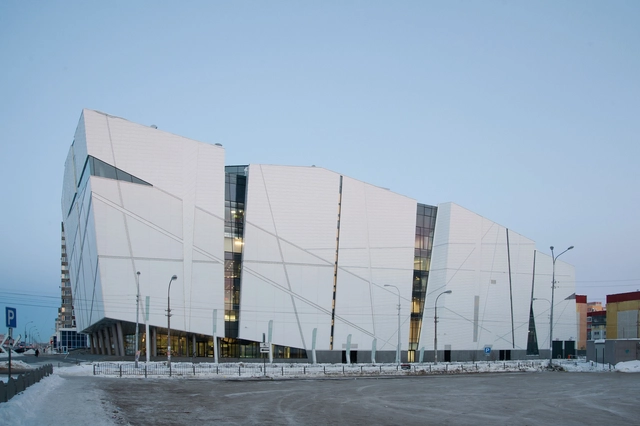
Architects: Studio Guilherme Torres
- Area: 11000 m²
- Year: 2011



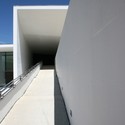
The building of the new metro in San Sebastian Donastia will connect the people and the different areas of the city in a new way. It will set a new standard for the future of the town and its way forward. It will offer donastiarras and visitors a new means of public transpiration, and be a part of the future pulse of San Sebastian Donastia. The entrance design by Snøhetta is based on a continuous movement from underground level to over ground, and vice versa. The design element goes from being a ceiling structure underground to create a roof structure over the stairs and up over ground. The structure describes the transition between the two states and connects the city life with the metro world. More images and architects’ description after the break.

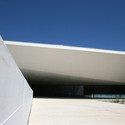
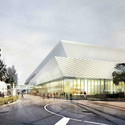
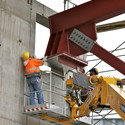
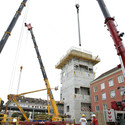
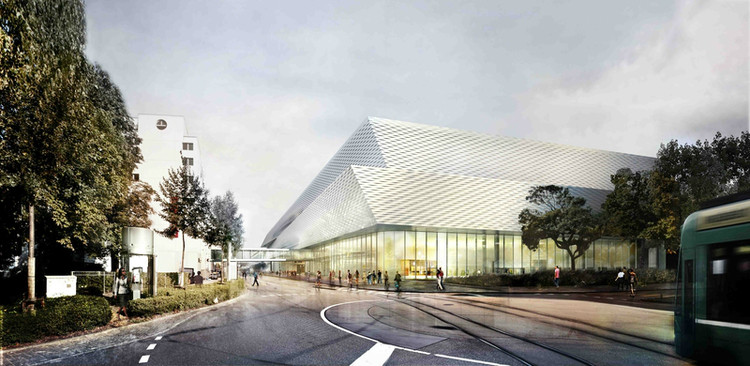
The modernization of the Messe Basel is making progress. Developed by Basel architects Herzog & de Meuron on behalf of the MCH Group, the project aims renew the existing exhibition space and become a popular destination for pedestrians and foreign visitors. The new multifunctional exhibition building is scheduled for completion in 2013.
Architects: Herzog & de Meuron Basel Ltd., Basel Location: Basel, Switzerland Client: MCH Messe Switzerland AG, Basel, Switzerland Project Area: 141,000 m2 Construction Period: 2010 – 2013 Photographs: Courtesy of MCH Swiss Exhibition (Basel) Ltd.
Continue reading for more images, renderings and information.

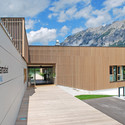
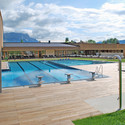
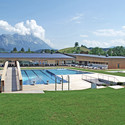
One organism, one body, that understands and reflects the functional complexity of nature, interpreting it in its relationship with the resources and translate this to architecture, in the use of light, the sun or the water and consecutively in the way the architecture itself generates these resources. Therefore the built morphology is understood as habitat resonance. These were the main goals of AND-RÉ for their proposal for the Pools and Public Sports Complex in S.João da Madeira, Portugal. More images and architects’ description after the break.


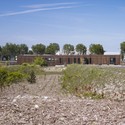
The project for the central bus terminal of the city of Majes, designed by the team of Jimmy Liendo Terán, Kátia de Oliveira Vieira and Carlos Arellano Rivera, is located in an irrigated desert area and is part of a plan to provide an equal distribution of the production activities by improving the circulation between the cities in the South of Peru. Their concept, which won the second prize in the national competition, is based on two ideas: first, the separation of the movement for arrival and departure; and second, the plot with a difference in height, about 4,5 meters between parallel sides, which is hard to notice because of the size of the terrain. More images and project description after the break.