1. ArchDaily
  2. Passive Solar System

Passive Solar System: The Latest Architecture and News

Espai Verd: The Habitable Utopia of Valencia’s Green Cathedral

Subscriber Access | 

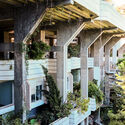
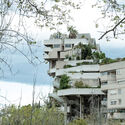
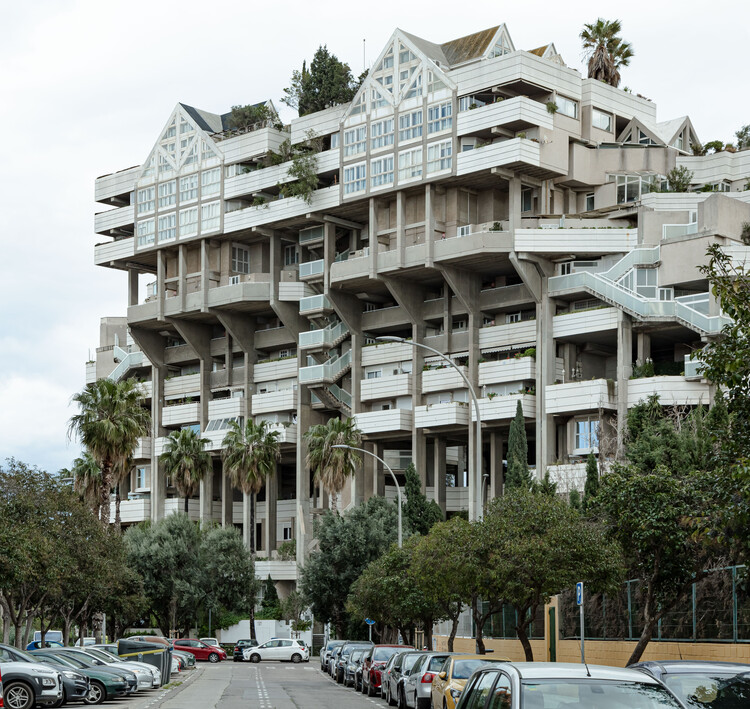
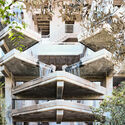
Even the most distracted passerby is captured by the monumental presence of this structure in Valencia’s established Benimaclet neighborhood. Before it, any attempt at rational apprehension quickly dissolves. Its constructive logic seems to escape comprehension as the space unfolds through tensions and deviations, where nothing is immediately given. Between masses of concrete and the insurgent force of vegetation, an almost choreographic play of planes, angles, and rotations emerges. In the vertigo of this encounter, one realizes that the building was not made to be understood, but to be experienced.
Espai Verd: The Habitable Utopia of Valencia’s Green Cathedral - Image 1 of 4Espai Verd: The Habitable Utopia of Valencia’s Green Cathedral - Image 2 of 4Espai Verd: The Habitable Utopia of Valencia’s Green Cathedral - Image 3 of 4Espai Verd: The Habitable Utopia of Valencia’s Green Cathedral - Image 4 of 4Espai Verd: The Habitable Utopia of Valencia’s Green Cathedral - More Images+ 35

How Breathable Should Facades Be? Exploring Permeability and Impermeability in Building Envelopes

The main role of architecture is to create structures that protect us from the environment and create spaces that are safe and comfortable for all types of needs and activities. By providing shelter, architecture also shapes the way people interact with their surroundings. Building technologies of the past rarely managed, however, to create a complete separation between us and the outside world.

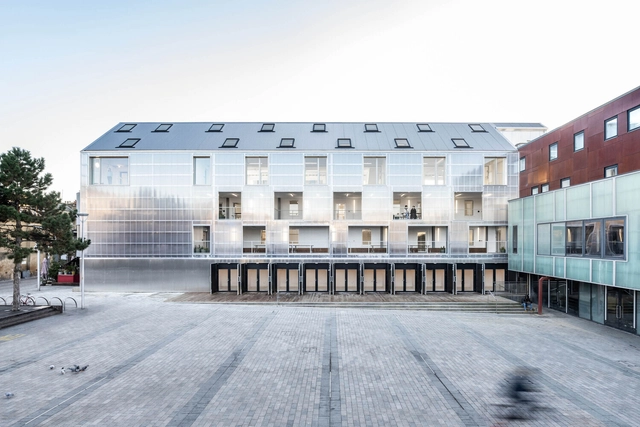
While impermeability was a desired outcome, the porous building materials available always allowed some water, wind, or outside particles to leak into the interior spaces. In contrast, modern technologies now allow for almost completely impermeable building envelopes, allowing for complete separation between indoors and outdoors, thus relying on engineered systems to regulate temperature, airflow, or humidity. This article explores the differences between these two contrasting approaches, exploring how building facades are equipped to regulate indoor comfort and its environmental impact.

How Breathable Should Facades Be? Exploring Permeability and Impermeability in Building Envelopes - Image 1 of 4How Breathable Should Facades Be? Exploring Permeability and Impermeability in Building Envelopes - Image 2 of 4How Breathable Should Facades Be? Exploring Permeability and Impermeability in Building Envelopes - Image 3 of 4How Breathable Should Facades Be? Exploring Permeability and Impermeability in Building Envelopes - Image 4 of 4How Breathable Should Facades Be? Exploring Permeability and Impermeability in Building Envelopes - More Images+ 5

Skylights in Tropical Architecture: 20 Homes That Redefine Natural Lighting

Subscriber Access | 

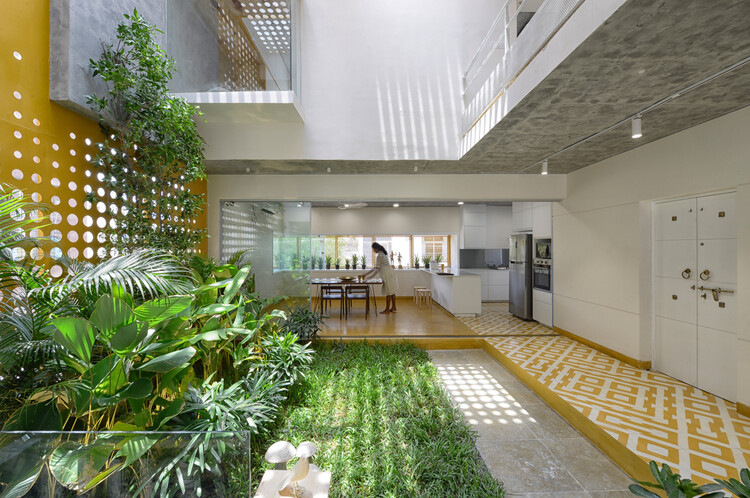
From subtle light beams to wide openings, skylights transform natural light into a powerful architectural tool, creating a dynamic interplay of light and shadow that adds movement and vitality to buildings. This intricate dance captivates not only with the patterns the light casts on surfaces but also with the practical benefits of overhead lighting, such as improved thermal comfort and enhanced well-being.

Skylights in Tropical Architecture: 20 Homes That Redefine Natural Lighting - Image 1 of 4Skylights in Tropical Architecture: 20 Homes That Redefine Natural Lighting - Image 2 of 4Skylights in Tropical Architecture: 20 Homes That Redefine Natural Lighting - Image 3 of 4Skylights in Tropical Architecture: 20 Homes That Redefine Natural Lighting - Image 4 of 4Skylights in Tropical Architecture: 20 Homes That Redefine Natural Lighting - More Images+ 23

Traditional Solutions, Modern Projects: Wooden Screens for Sun Protection and Ventilation

Subscriber Access | 

Throughout history, sunshades--light-weight screens typically made of interwoven wooden reeds--have been the go-to method of sun protection and temperature control for dwellings across civilizations, especially those located in tropical and Mediterranean climates. While offering protection from the sun's heat and rays, sunshades also allow air to permeate, making them an effective and economical cooling system for interior spaces.