

-
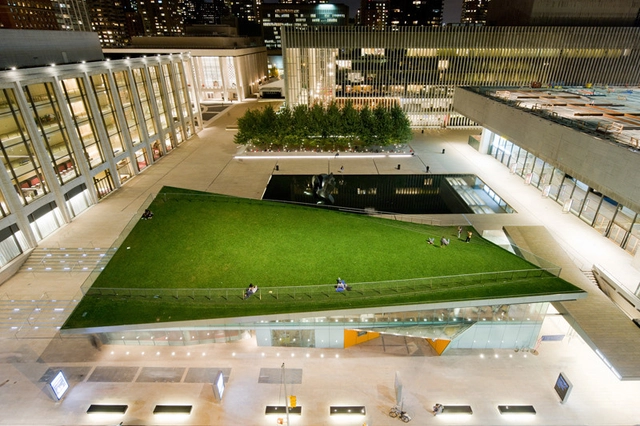
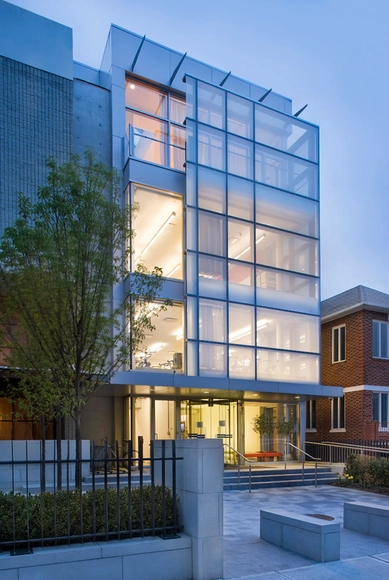
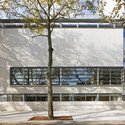
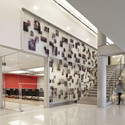
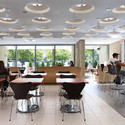
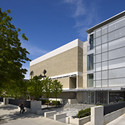
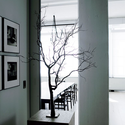
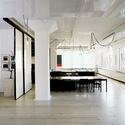
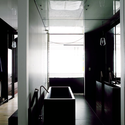
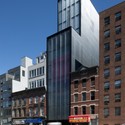
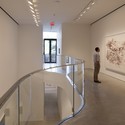
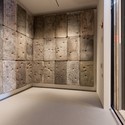
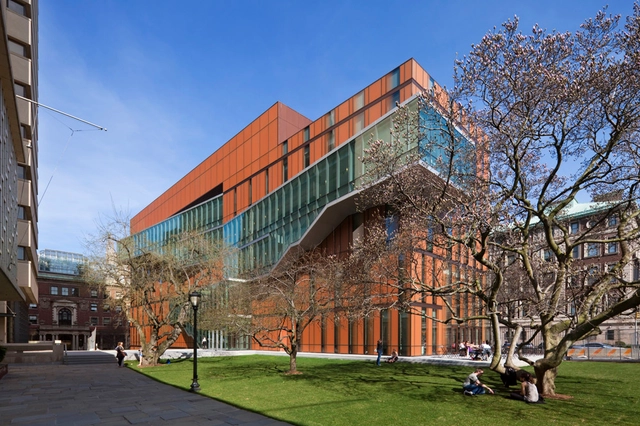
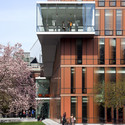
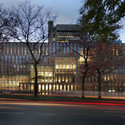
Architects: Weiss/Manfredi
- Area: 98000 m²
- Year: 2010
-
Manufacturers: Vitro®, Goldray Glass, PPG Paints

Studio Mode/modeLab is pleased to announce the third installment of the coLab workshop series: Hybrid Prototypes. Hybrid Prototypes is a two-day intensive design and prototyping workshop (with an optional third day) to be held in New York City during the weekend of January 08, 2011. Further information and registration can be found below. We hope to see you next month!

We received the following exhibition by Chandler Ahrens and John Carpenter. It is located in Brooklyn, New York City, and it was inaugurated on the occasion of the conference ACADIA 2010 LIFE in:formation hosted by The Cooper Union. It examines concepts, tools and technologies that implement responsive and generative aspects of information in the design process.
The exhibition chairs are Chandler Ahrens, Michael W. Su and Axel Schmitzberger and conference chairs are Pablo Lorenzo-Eiroa, Aaron Sprecher and Shai Yeshauyahu.
Further information and photos after the break.
![Newark Visitors Center ORIGA[MIX] / Influx_Studio - Image 12 of 4](https://images.adsttc.com/media/images/55f8/00c0/c84a/8a0a/5800/0057/medium_jpg/influx-studio_nvc_01_access-view.jpg?1442316453)
INFLUX_STUDIO shared with us their new project for Newark’s Visitors Center. See more images and architect’s description after the break.

Advanced Parametrics is a two-day intensive design workshop (with an optional third day) to be held in New York City during the weekend of December 04.

Since 2000, the MoMA and the P.S.1 have been running a competition under their Young Architects Program, each year inviting a group of emerging architects to experiment with new shapes and materials, resulting in a summer installation at the P.S.1. Past winners include WORK ac (P.F.1. Public Farm 1), MOS (Afterparty) and SO-IL (Pole Dance). Architects Newspaper recently announced the short list for the 2011 summer installation, which includes Interboro Partners (NY), FormlessFinder (NY), Matter Architecture Practice (NY) MASS Design Group (Boston) and IJP Corporation Architects (London). Matter Architecture practice was already invited to the 2008 competition, which also happened to MOS back in 2007, then winners in 2009. As usual expect a complete coverage here at ArchDaily, we look forward to see all the projects!

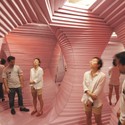
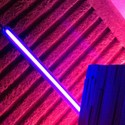
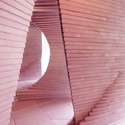
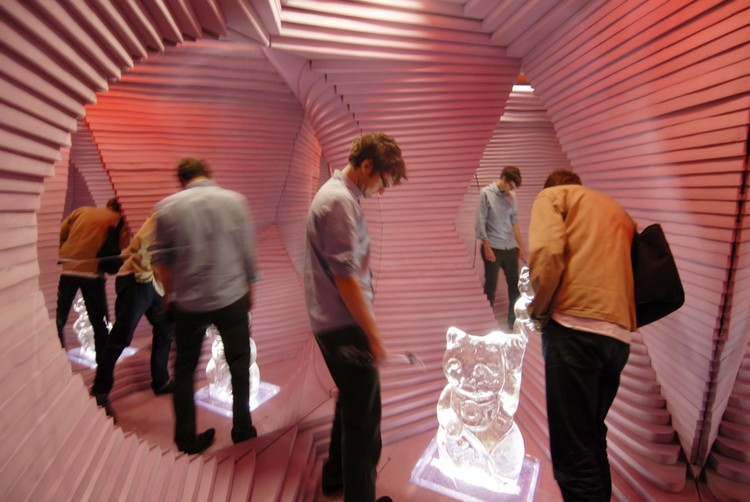
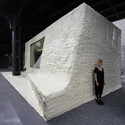
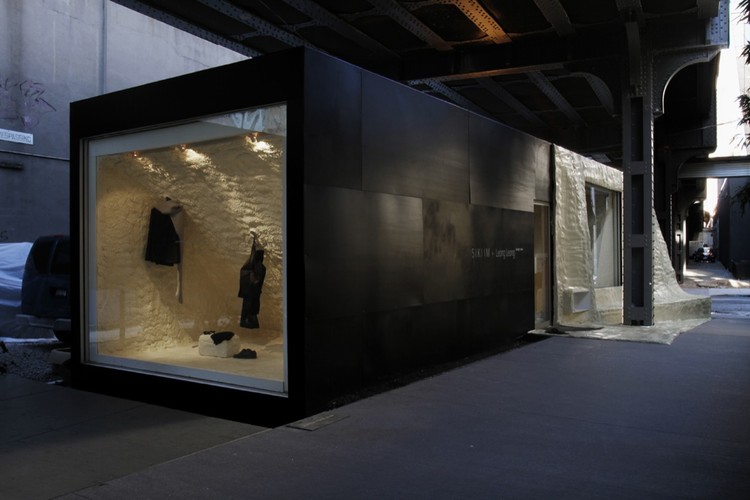
Architects Leong Leong recently shared their photographs from Turning Pink at W/ Project Space in New York’s Chinatown. Made from 3inch rigid insulation and mirrored acrylic this temporary and site-specific installation was part of a series that ‘explore the translation of a legible figure into a continuous visual field’.
More photographs and drawings about the Turning Pink installation following the break.
Architects: Leong Leong Architecture Location: New York City, New York, USA Principals-in-Charge: Dominic Leong and Chris Leong Project Team: Nathan Smith, Christina Galvez, Sarah Carpenter, Greg Bugel, Brittany Drapac, Naomi Szto Builder: Leong Leong Architects Sponsors: 3.1 Phillip Lim and Pabst Blue Ribbon Project Area: 60 sqf Project Year: 2010 Photographs: Courtesy of Leong Leong Architecture


Currently on view at the MoMa, the Small Scale, Big Change: New Architectures of Social Engagement exhibition has provided an exciting and successful glimpse into how architecture can serve the greater needs of society. The museum just shared with us their latest news that starting in November and running through May, the Philip Johnson Architecture and Design Galleries will hosting Building Collections: Recent Acquisitions of Architecture. This exhibit will highlight the great variety of important acquisitions made by the Department of Architecture and Design since 2005, juxtaposing, in several cases, newly acquired material with works long held in the collection in order to underscore the rationale and motives behind collecting architecture at MoMA. Some of the featured pieces include models by Corbusier and sketches by Sullivan.
More about the exhibition, including images of some of the acquired pieces after the break.

Talk about a great public space, the Winter Garden at the World Financial Center seems to have it all. A sudden and much welcomed break from the chaotic streets and hectic bustle of city life, Caesar Pelli’s amazing garden slows down the pace of a passerby’s day for just a second as one may steal a glance of the river, read under palm trees or relax on the grand marble stairs. This space is so meaningful that it was one of the first things rebuilt after the attack on the World Trade Center back in 2001. Yet, according to the New York Observer, Brookfield Properties, the owner of the World Financial Center, has proposed a redesign of the winter garden, including the removal of the beloved steps.
More about the proposal after the break.

After the H3Ar split earlier this year, Hugon Kowalski founded UGO architecture and design, and he shared with us his proposal for the Sukkah City Design Competition in New York. More images and architect’s description after the break.
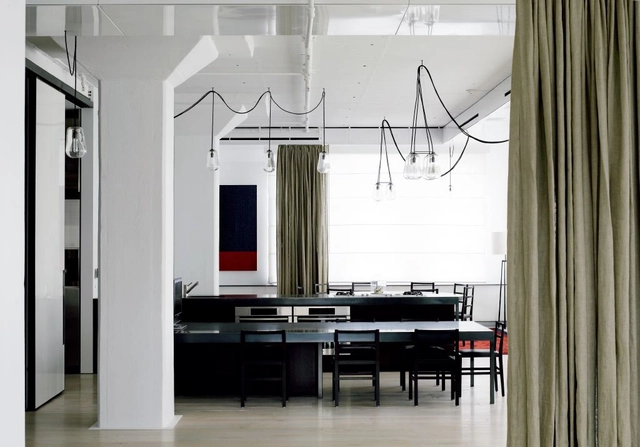

If you find yourself in Manhattan for the weekend of October 14-17, be sure to check out the Architecture and Design Film Festival on Varick Street in Tribeca. Films running anywhere from a quick 2 minutes to 80 minutes will feature popular pieces such as Citizen Architect about Samuel Mockbee and the Spirit of the Rural Studio, to a film about the Kimbell Museum, an interview with Oscar Niemeyer and even a film about dumpster pools. The event will also include discussions with some of the filmmakers and architects about the design process. As this will be the first film festival celebrating the creative spirit of architecture and design in the United States, be sure not to miss it!

Although the field of architecture continually changes with advances in technology and shifts in society and culture, there rest a few names that seem frozen in time, as their ideas will continually influence generations of architects to come. Of them, Louis Kahn has been revered as a master of the 20th century and soon, his memorial park design of the 1970s will finally be completed in New York. The memorial is named after FDR’s Four Freedoms speech from 1941 where he declares that “In the future days,….we look forward to a world founded upon four essential human freedoms. The first is freedom of speech and expression–everywhere in the world. The second is freedom of every person to worship God in his own way–everywhere in the world. The third is freedom from want–which, translated into universal terms, means economic understandings which will secure to every nation a healthy peacetime life for its inhabitants–everywhere in the world. The fourth is freedom from fear–which, translated into world terms, means a world-wide reduction of armaments to such a point and in such a thorough fashion that no nation will be in a position to commit an act of physical aggression against any neighbor–anywhere in the world.”
More about Kahn’s design after the break.