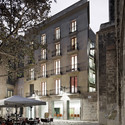

-
Architects: nodo17 Architects
- Area: 3 m²
- Year: 2009



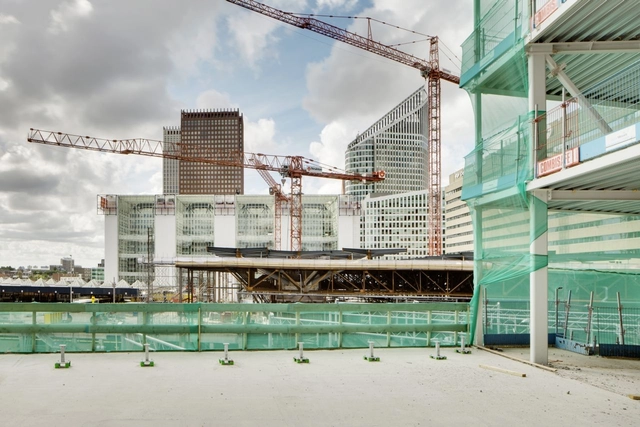


Intending to create a new architectural reference for the region of Brasilia, the Multipurpose Complex becomes a new destination in the city. Designed by FGMF Arquitetos, the building creates a landmark in the landscape through the uses of retail, office buildings, and modular offices. More images and architects’ description after the break.

The proposal for the Parque Burle Marx offers a mix of offices, office and residential buildings, local commerce, and urban park, and an ecological station for conservation areas. Designed by De Fournier & Associados, the Faunal corridor, which will extend one of the most important biomes of Belo Horizonte, will comprise of volumes harmonically integrated to the morphology of the terrain. More images and architects’ description after the break.


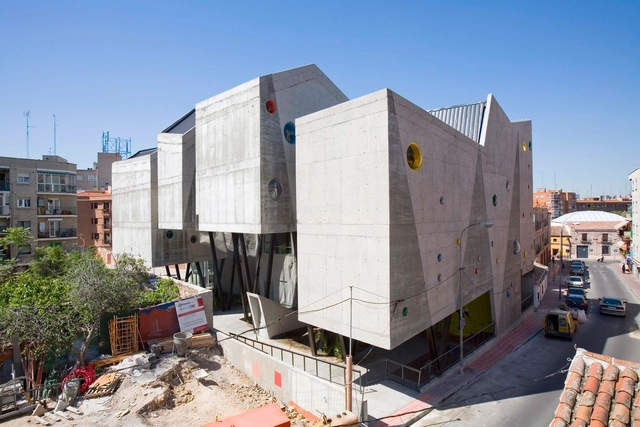
Architects: Raúl del Valle Location: Madrid, Spain Project Year: 2007 Photographs: Miguel de Guzmán, María José Fraile Monte

In recent years Downtown Brooklyn has become somewhat of a hub of cultural activity. Just past the triangular intersection of Flatbush Ave and Fulton Street, a high density of cultural buildings, expansive retail, and entertainment exists. Mayor Michael Bloomberg of NYC announced in late November that the city and private companies will be partnering to produce three new projects in this area that will bring affordable housing and additional cultural and community spaces to Downtown Brooklyn. This last city-owned parcel will be developed into mixed use facilities: a 515,000 square foot building at Fulton St, Rockwell Place and Ashland Place; a 32-story mixed use building on Flatbush and Lafayette to be designed by Enrique Norten of TEN Arquitectos and a third building currently in the RFP stage of development at Ashland Place and Lafayette.
Join us after the break for more.
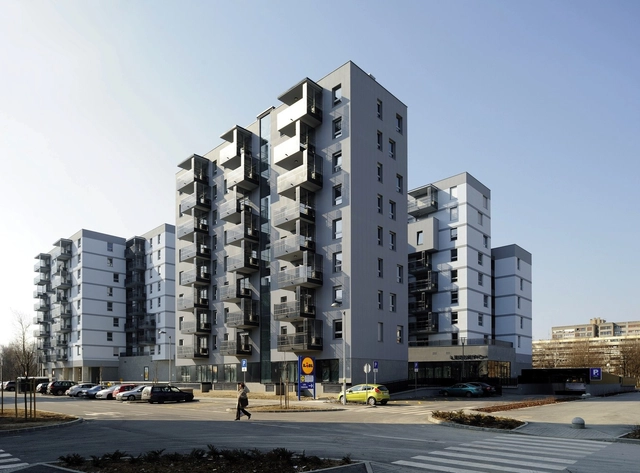


The west side of midtown Manhattan is probably one of the more unexplored areas of New York City by residents and tourists alike. Aside from the Jacob Javits Center, and the different programs off of the Hudson River Parkway that runs parallel to the waterfront, there is very little reason to walk through this industry – and infrastructure – dominated expanse of land full of manufacturers, body shops, parking facilities and vacant lots. The NYC government and various agencies, aware of the lost potential of this area, began hatching plans in 2001 to develop this 48-block, 26-acre section, bound by 43rd Street to the North, 8th Ave to the East, 30th Street to the South and the West Side Highway to the West.
The new Hudson Yards, NYC’s largest development, will be a feat of collaboration between many agencies and designers. The result will be 26 million square feet of new office development, 20,000 units of housing, 2 million square feet of retail, and 3 million square feet of hotel space, mixed use development featuring cultural and parking uses, 12 acres of public open space, a new public school and an extension of a subway line the 7 that currently terminates at Times Square-42nd Street, reintroducing the otherwise infrastructurally isolated portion of the city back into the life of midtown Manhattan. All this for $800 million with up to $3 billion in public money.
Join us after the break for details and images.

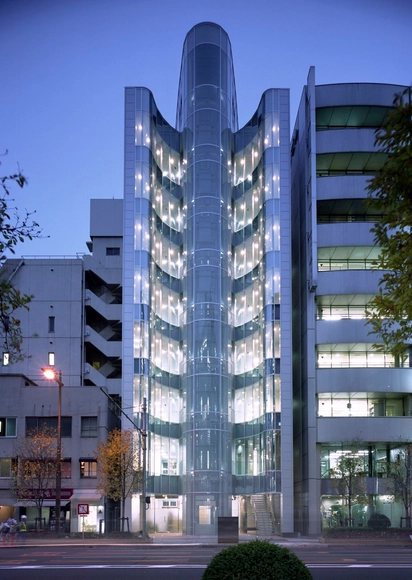


_Pato_Safko_1.jpg?1413949096&format=webp&width=640&height=580)
_Pato_Safko_3.jpg?1413949099 "© Pato Safko")
_Pato_Safko_4.jpg?1413949103 "© Pato Safko")
_Pato_Safko_6.jpg?1413949107 "© Pato Safko")
_Pato_Safko_5.jpg?1413949113 "© Pato Safko")
_Pato_Safko_1.jpg?1413949096)