1. ArchDaily
  2. Minimal Living Trends

Minimal Living Trends: The Latest Architecture and News

Is Minimalism Dead?

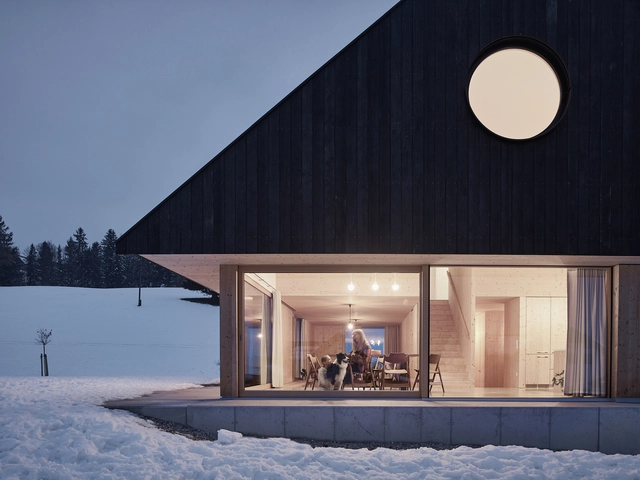
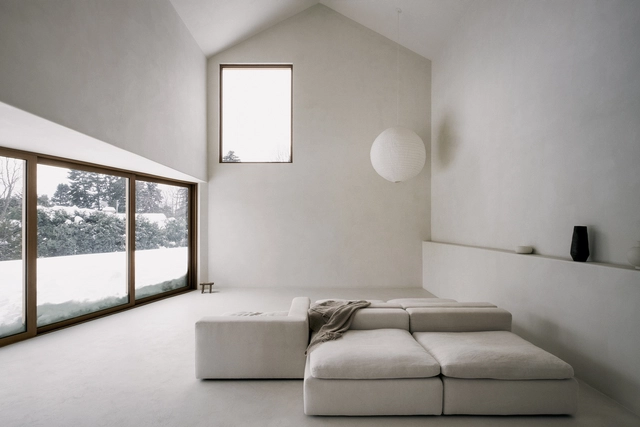
The visual aesthetic of the past few decades could be defined as designing with the principles of ‘nothingness’. Whether it’s through art, lifestyle, fashion, industrial, or interior design, there has been an alleged need to keep things at a bare minimum, promoting the globally-loved-yet-highly-criticized trend of minimalism. Minimalism is this notion of reducing something to its necessary elements, but who is deciding what is necessary, and who is deciding what is too much? With those questions in mind, combined with radical changes in consumerism and the way people live seen during recent years, current trends have shown that minimalism might be here to stay, but with a twist.

Is Minimalism Dead?  - Image 1 of 4Is Minimalism Dead?  - Image 2 of 4Is Minimalism Dead?  - Image 3 of 4Is Minimalism Dead?  - Image 4 of 4Is Minimalism Dead?  - More Images+ 8

Minimalist Modern: The Architecture of Rural Retreats

Minimalism has shaped architecture for over a century. Embracing new materials and rejecting ornament, the modernist movement grounded minimalist architecture through rational use and function. Throughout the 20th century, architects returned to minimalism as they worked with glass, steel and reinforced concrete. Over time, minimalist and modernist designs became more closely tied to cost, construction and aesthetic.

Minimalist Modern: The Architecture of Rural Retreats - Image 1 of 4Minimalist Modern: The Architecture of Rural Retreats - Image 2 of 4Minimalist Modern: The Architecture of Rural Retreats - Image 3 of 4Minimalist Modern: The Architecture of Rural Retreats - Image 4 of 4Minimalist Modern: The Architecture of Rural Retreats - More Images+ 9

"Less, but Better": Kelly Sawdon of Atelier Ace Explains the Design Behind Sister City Hotel

Subscriber Access | 

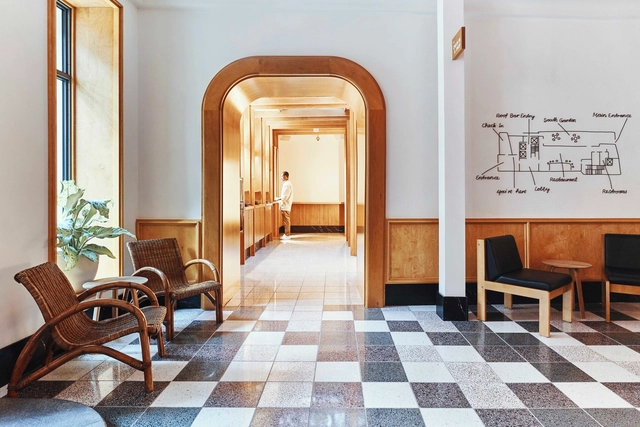
Between New York's towering buildings and cramped streets, Atelier Ace developed a project unique to its surroundings. Located in Manhattan's Bowery neighborhood, the Sister City Hotel project included a four-floor extension to an existing 10-storey structure, as well as a complete renovation of the interior space. The interior design draws inspiration from Scandinavian and Japanese architecture, providing visitors with complete tranquility within New York's bustling neighborhood.

In an exclusive interview with ArchDaily, Kelly Sawdon, Chief Brand Officer and Partner at Atelier Ace/Ace Hotel Group describes her take on minimal design and explains the approach and inspiration behind the Sister City Hotel project. 

"Less, but Better": Kelly Sawdon of Atelier Ace Explains the Design Behind Sister City Hotel  - Image 1 of 4"Less, but Better": Kelly Sawdon of Atelier Ace Explains the Design Behind Sister City Hotel  - Image 2 of 4"Less, but Better": Kelly Sawdon of Atelier Ace Explains the Design Behind Sister City Hotel  - Image 3 of 4"Less, but Better": Kelly Sawdon of Atelier Ace Explains the Design Behind Sister City Hotel  - Image 4 of 4Less, but Better: Kelly Sawdon of Atelier Ace Explains the Design Behind Sister City Hotel  - More Images+ 6