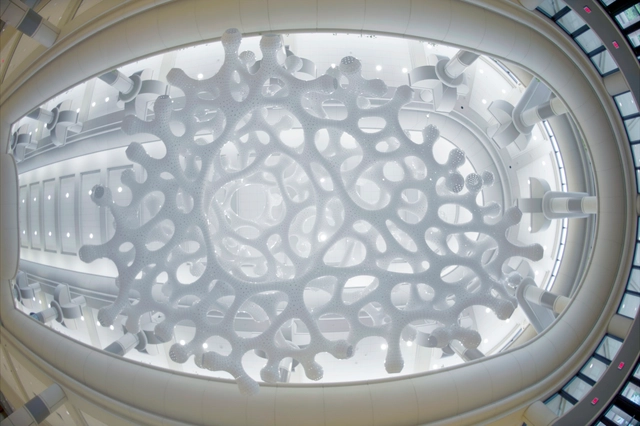
A giant, smooth coral? A cloud-like barnacle? A woman's floral swimming cap?”


A giant, smooth coral? A cloud-like barnacle? A woman's floral swimming cap?”
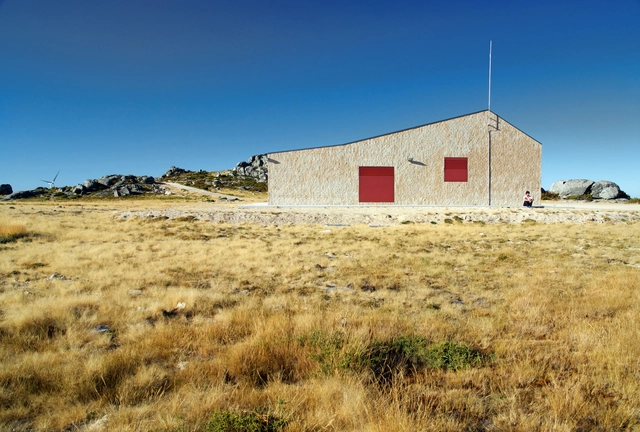
This article is part of our new series "Material in Focus", where we ask architects to share with us their creative process through the choice of materials that define important parts of the construction of their buildings.
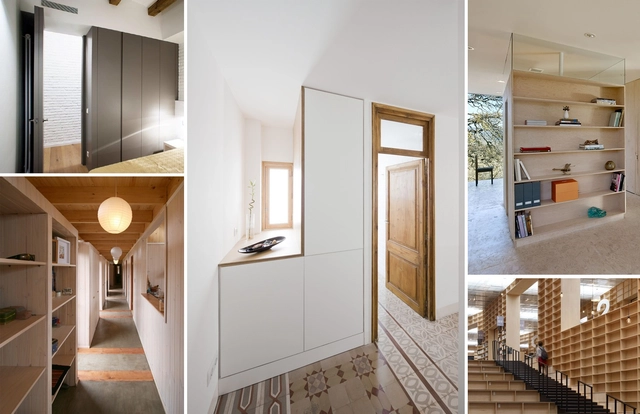
One of the hallmarks of architectural sensibility is a clean, clutter-free space – "a place for everything and everything in its place." Every project requires some element where things can be neatly stored away, whether it be books, kitchen appliances, or entire furniture pieces. Solutions for these storage needs can range from invisible and out of the way, to stunning, textural centerpieces – either way adding necessary functionality to our most-used spaces.
.jpg?1484934632&format=webp&width=640&height=580)
Employing the latest in aluminum and metals innovation, Ben van Berkel and UNStudio have erected the ALPOLIC fair stand at BAU 2017, the world’s leading trade fair for architecture, materials and systems. Emphasizing the inherent strength of the ultra-light material, the parametric design utilizes geometric principles to create a self-supporting semi-private stand for gathering and the display of products.
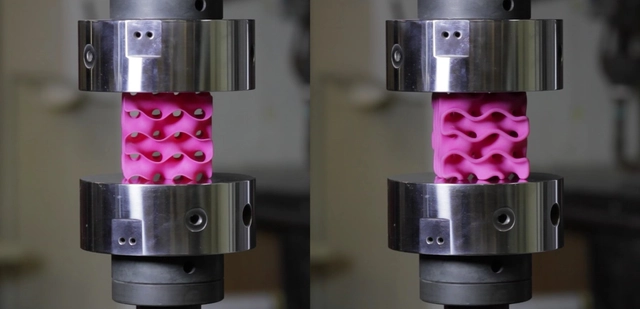
Known for its light weight and high strength properties, graphene has been promised to us as the material of the future for quite some time now. But difficulties in translating its 2D strength into 3-dimensional applications have so far held it back from common use. Now, thanks to new research by the Massachusetts Institute of Technology (MIT), that future may now be closer than ever before. In the school’s latest experiment, researchers have discovered how the material could be shaped into to sponge-like form to resist forces 10 times greater than steel.
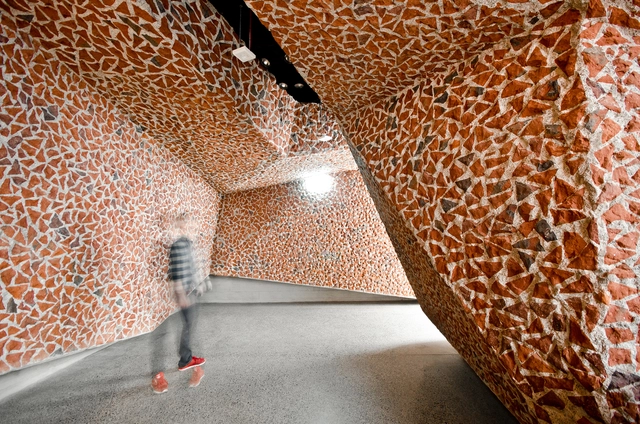
This article is part of our new "Material Focus" series, which asks architects to elaborate on the thought process behind their material choices and sheds light on the steps required to get buildings actually built.
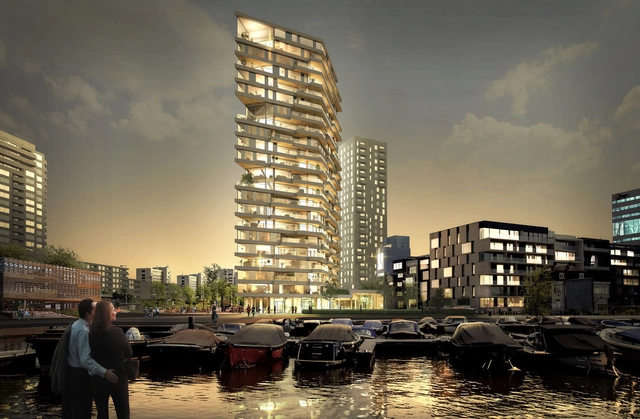
The key to engineering wood strong enough to support skyscrapers may lie in the interaction between molecules 10,000 times narrower than the width of a human hair.
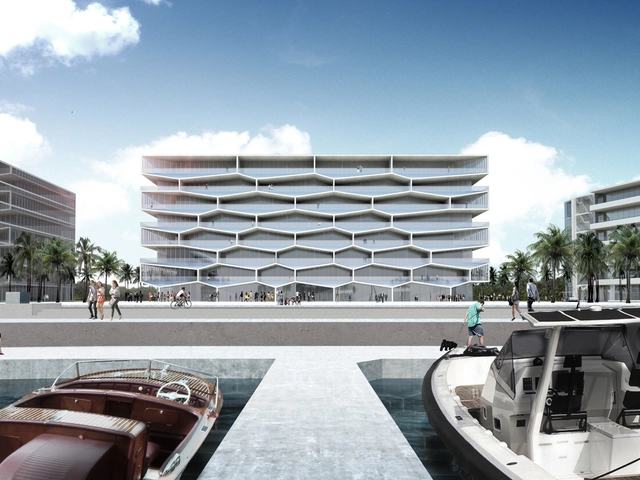
BIG are known for unconventional buildings that often raise the question “how were they able to do that?” Such is the case for BIG’s Honeycomb, a luxury eight-story condominium currently under construction in the Bahamas. The project’s hallmark is its hexagonal façade made up of private balconies, each with its own glass-fronted outdoor pool. The façade was also the project’s greatest engineering challenge, with each balcony (including pool water) weighing between 108,000 and 269,000 pounds (48,000-122,000 kilograms) while cantilevering up to 17.5 feet (5.3 meters) from the structure. Tasked with this challenging brief were DeSimone Consulting Engineers, who previously worked with BIG on The Grove. Read on for more detail on the Honeycomb’s innovative engineering.
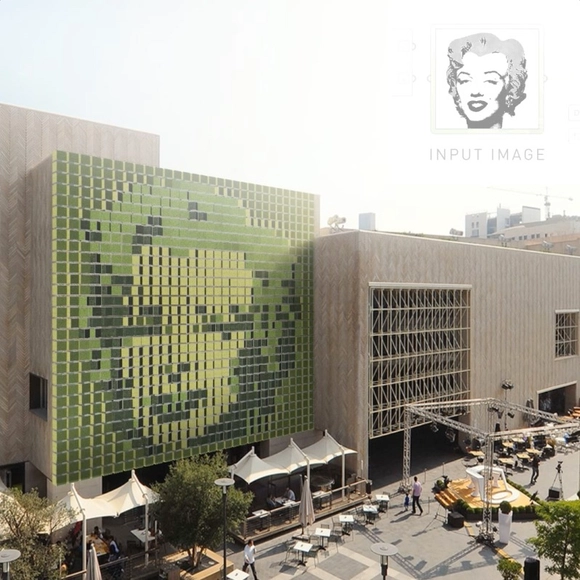
BAD. Built by Associative Data’s Associative Data Research has collaborated with Green Studios to create Kinetic Green Canvas, a prototype Green-Art Installation for building façades.

Following last year’s introduction of MultiFab, a multi-material 3D printer, researchers at MIT’s Computer Science and Artificial Intelligence Laboratory has pioneered a system for designing multi-material objects. The new interface, Foundry, is meant to be accessible to non-programmers, whereas multi-material 3D printing technology has historically been prohibitive both with respect to cost and user-friendliness.
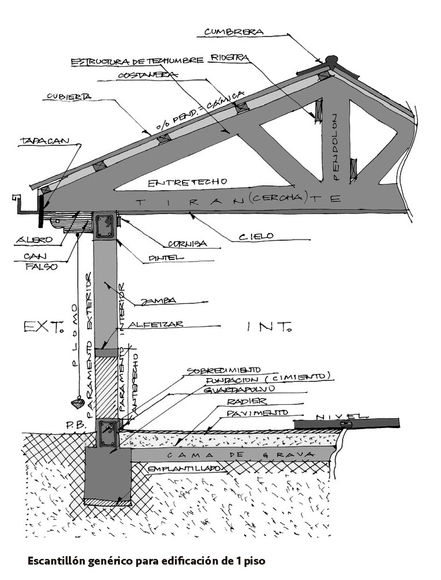
Earlier this year, Chilean architects and professors Luis Pablo Barros and Gustavo Sarabia from the Federico Santa María University released a book (in Spanish) titled "Sistemas Constructivos Básicos" (Basic Construction Systems)." The book aims to be a tool to help architects translate their plan diagrams into tangible architectural works, as well as to help students learn the knowledge necessary to build what they plan.
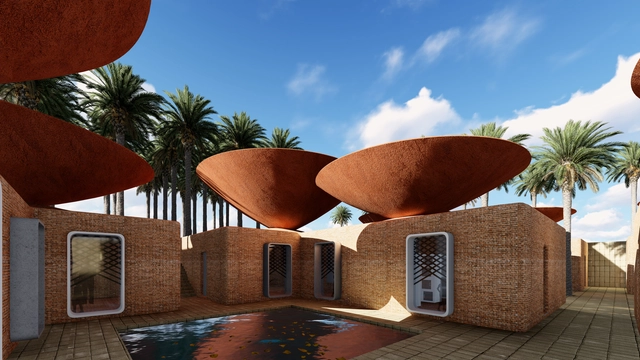
Iran-based BMDesign Studios has unveiled Concave Roof, a double-roof system with steep slopes resembling a bowl for the purpose of rainwater collection in arid climates like Iran, where a lack of water could lead to mass displacement in the future.
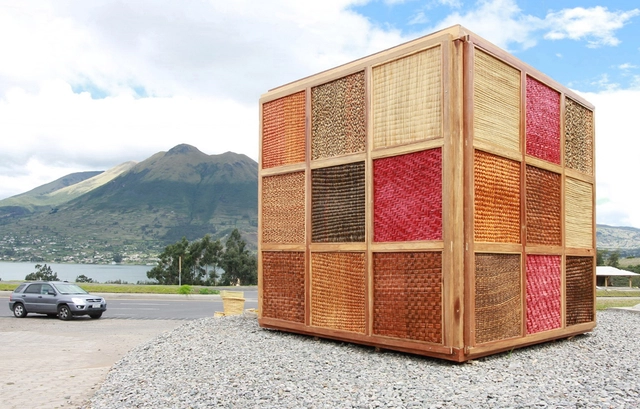
Developed by the architects of the "think-act tank" Archquid, in connection with the indigenous community and other institutions of the parish of San Rafael de la Laguna (Otavalo, Ecuador), this project revolves around the material research of the totora plant, a subspecies of the giant bulrush sedge. The Totora Cube project deepens the understanding of the art and craft with which these fibers have been used since pre-Inca times.
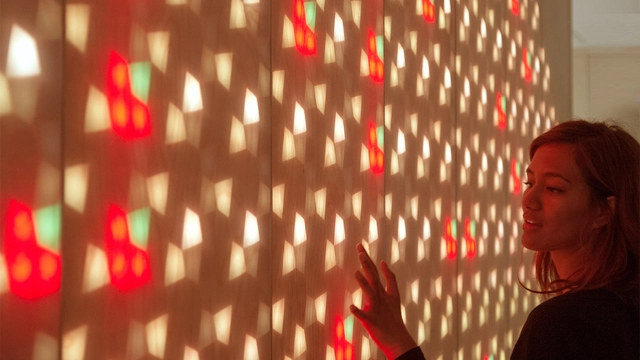
For children especially, hospitals can be anxiety-inducing and overwhelming space. New media studio ENESS aims to change that experience with their installation LUMES, a light-emitting wood piece, the first of which is now on display at Cabrini Hospital in Malvern, Australia.
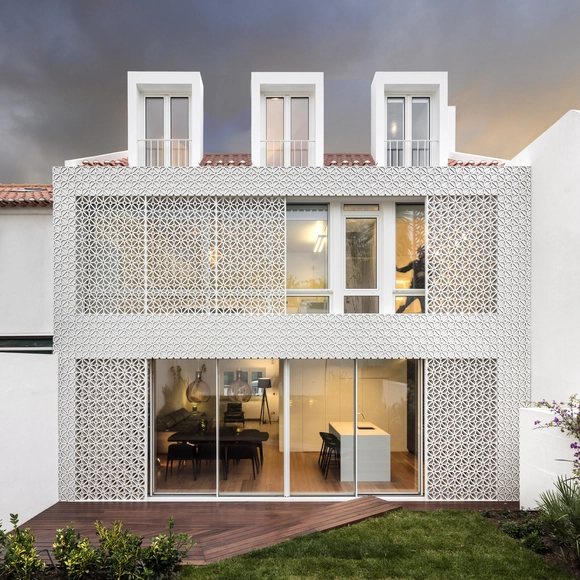
This article is part of our new series "Material in Focus", where we ask architects to share with us their creative process through the choice of materials that define important parts of the construction of their buildings.
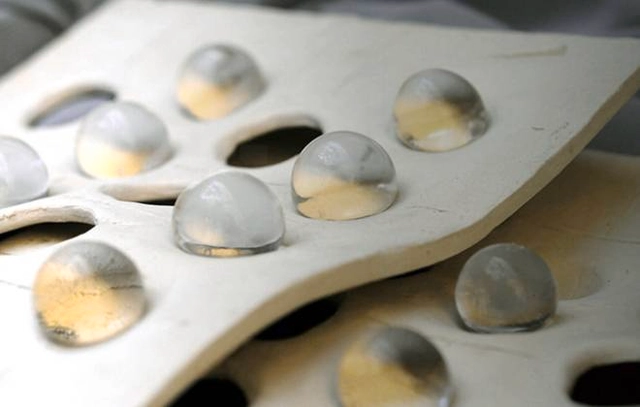
Cement that can generate light? Concrete for building on Mars? Translucent wood? Biodegradable furniture? Pollution absorbing bricks? At first, it sounds crazy but these are only some of the research projects taking place around the world in order to take the construction industry to the next level.
Continue reading below for more information about the motivations behind these projects and how these "experiments" that have already begun large-scale testing are being carried out.
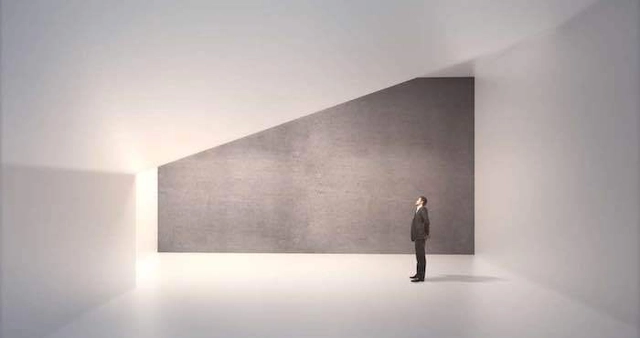
Over the past ten years the development of intelligent construction models, closely tied to energy efficiency, has introduced new materials that have one or more properties modified, in a controlled and partial way, by external stimuli such as radiation, temperature, pH, humidity, wind, and other environmental factors.
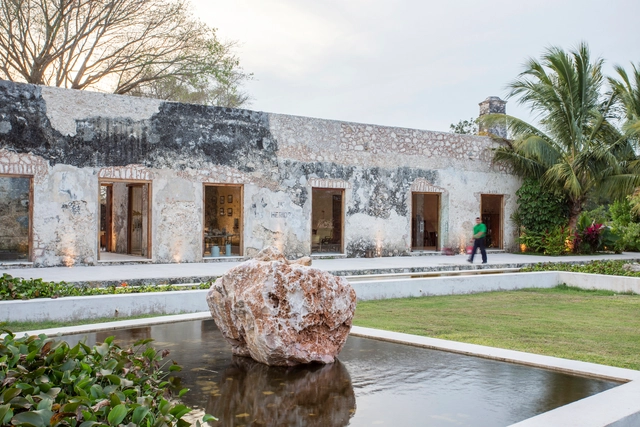
This article is part of our new series "Material in Focus", where we ask architects to share with us their creative process through the choice of materials that define important parts of the construction of their buildings.