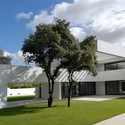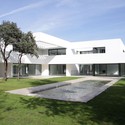


-
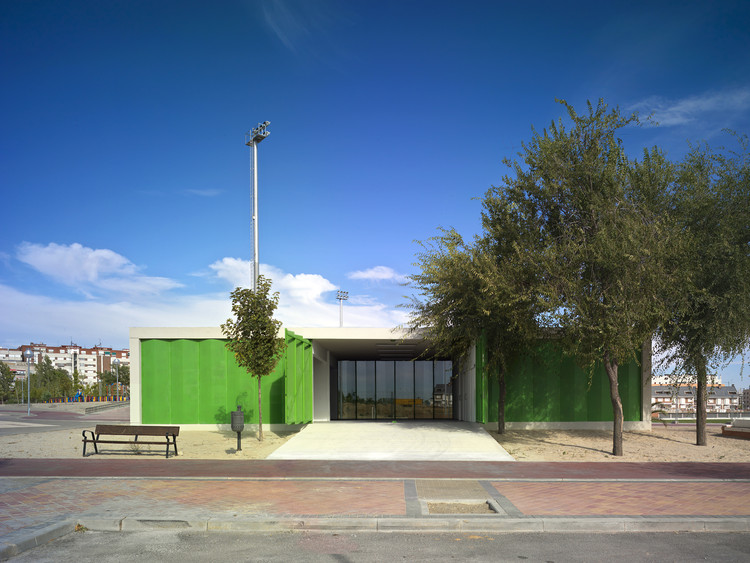
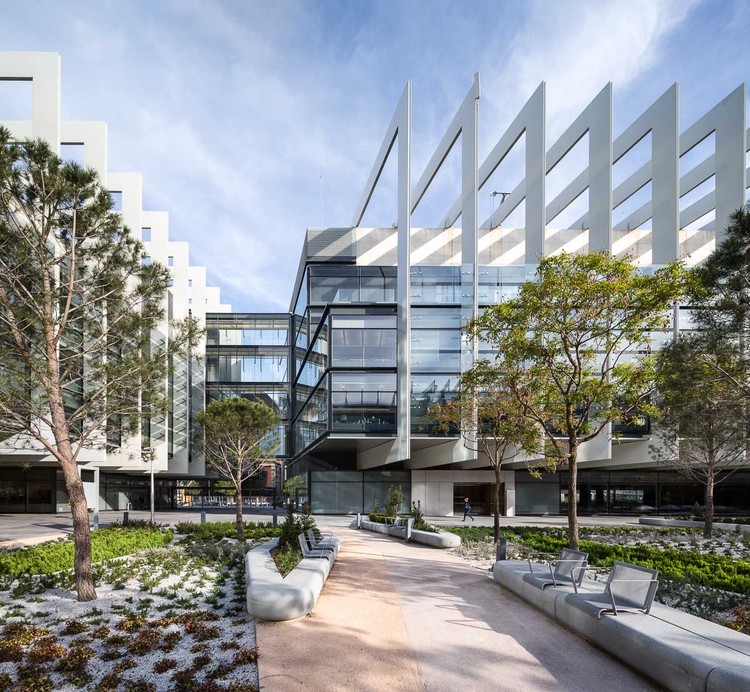
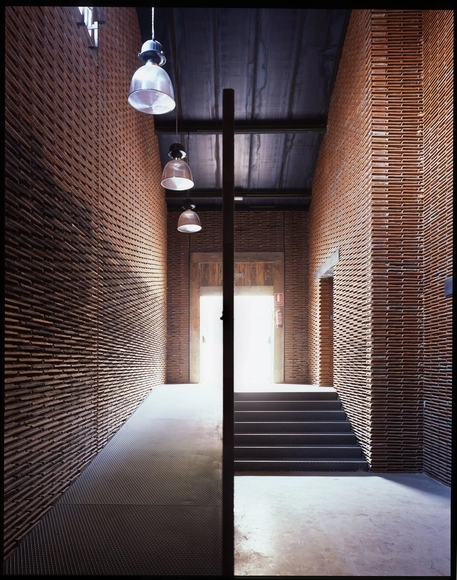
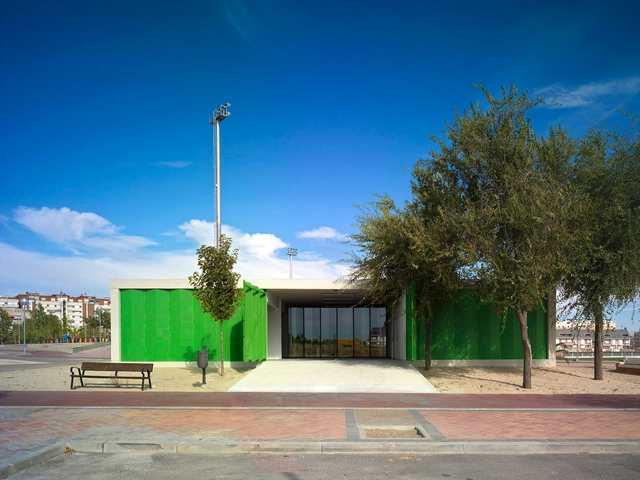
Architects: Rafael de La-Hoz
- Area: 123000 m²
- Year: 2013
-
Manufacturers: BANDALUX, Bellapart, ULMA Architectural Solutions, Alucobond

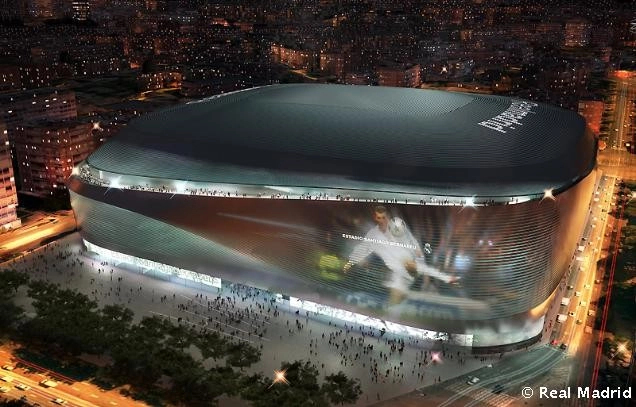
A proposal by gmp Arquitectos, L35 Arquitectos and Ribas & Ribas has been announced as winner of an international competition to revamp Real Madrid’s Santiago Bernabéu Stadium in Spain. Selected over an impressive shortlist of candidates including Foster & Partners, Herzog & de Meuron and Populous, the winning gmp-led team is expected to “transform the Santiago Bernabéu into the most advanced and developed stadium of the 21st century,” as described gmp owner Volkwin Marg.
“This building is undoubtedly the most important project of our careers.," Marg added.

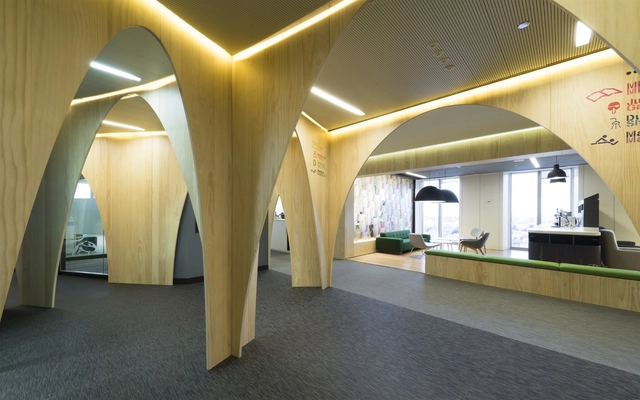
IE School of Architecture and Design has reached an agreement with WAYRA TELEFÓNICA to organize a Design Challenge with the students of the Master in Work Space Design.
The challenge will consist in looking for ideas to re-design their astonishing 12.000 square foot premises located in the 8th floor of the historic building of Telefónica in Gran Vía, the heart of Madrid.
WAYRA is a start-up accelerator belonging to IT giant TELEFÓNICA, with presence in more than twelve countries through their network of WAYRA Academies, where they host and mentor young startups for a year.


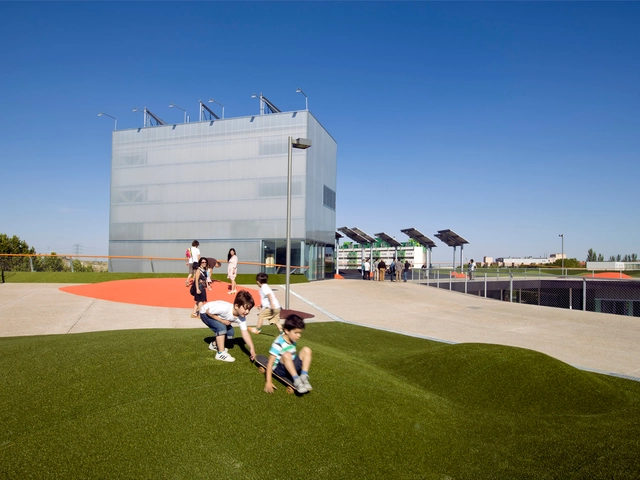


As part of the Architecture Week in Madrid, the "Past, Present and Future of Sol" exhibition was inaugurated and the brief for the International Ideas Competition was publicated.
PIENSA SOL is a reflection about the future of Madrid's Puerta del Sol plaza. Its objective is to compile proposals through an international ideas competition to profile the path of its evolution looking to improve the Puerta del Sol context. To get to this objective PIENSA SOL is planned in a structured process base in four complementary phases: COMPETITION, EXHIBITION, CITIZEN PARTICIPATION AND REFLECTION.