1. ArchDaily
  2. Low Cost Materials

Low Cost Materials: The Latest Architecture and News

Kéré Architecture Designs Healthcare Center in Burundi Using Regional Materials and Community-Based Construction

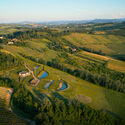
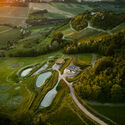
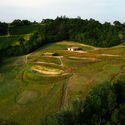
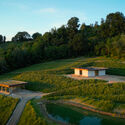
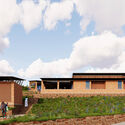
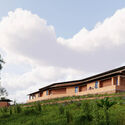
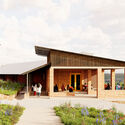
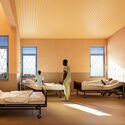
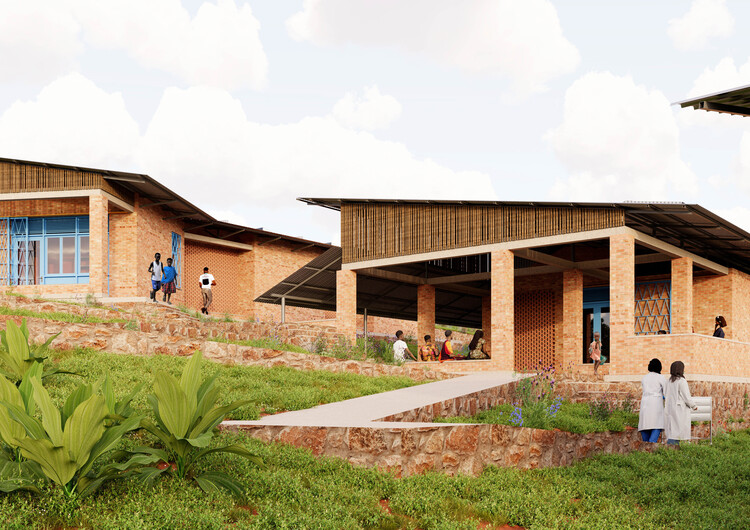
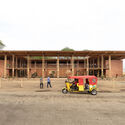
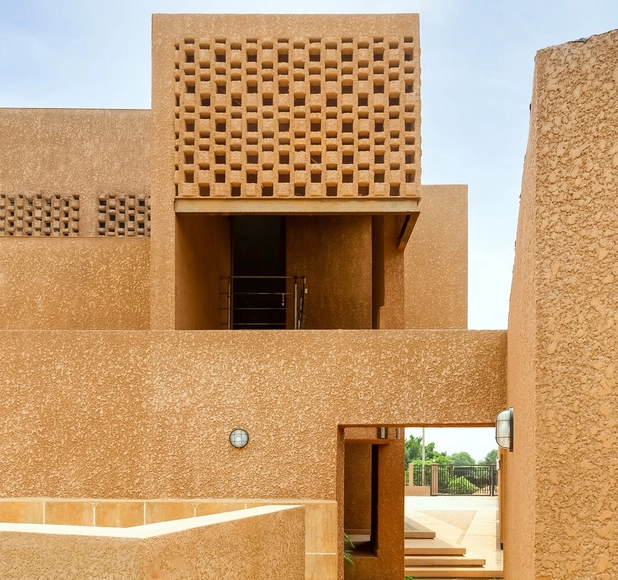
Kéré Architecture has designed a new healthcare center in the Bubanza region of Burundi, about 40 kilometers north of the country's former capital, Bujumbura. Commissioned by the NGO Ineza Clinic, the project aims to improve access to healthcare for the region's rural population, complementing the services of the existing general hospital, with a focus on maternity and specialized surgical care. Francis Kéré's plan distributes the program across ten pavilions connected by a road that zigzags up the hillside toward a visitor center, forming a 3,000 m² complex. The project combines materials sourced from the surrounding region, traditional craftsmanship, and knowledge transfer, minimizing its carbon footprint, supporting the local economy, and strengthening local teams. Construction has already started, with the first phase scheduled for completion this year.

Kéré Architecture Designs Healthcare Center in Burundi Using Regional Materials and Community-Based Construction - Image 1 of 4Kéré Architecture Designs Healthcare Center in Burundi Using Regional Materials and Community-Based Construction - Image 2 of 4Kéré Architecture Designs Healthcare Center in Burundi Using Regional Materials and Community-Based Construction - Image 3 of 4Kéré Architecture Designs Healthcare Center in Burundi Using Regional Materials and Community-Based Construction - Image 4 of 4Kéré Architecture Designs Healthcare Center in Burundi Using Regional Materials and Community-Based Construction - More Images+ 15

ArchDaily Curator's Picks 2023: Global Projects our Curators Highlighted Through the Year

The ArchDaily projects library is managed by our curators who constantly seek to populate our stream with the most interesting global works, showcasing evolving focuses and criteria. While we usually share our reader’s top 100 favorites, this year, we also decided to initiate our editor’s picks on the ArchDaily Instagram account, where our curators highlight some projects that include interesting themes and unique traits. 

ArchDaily Curator's Picks 2023: Global Projects  our Curators Highlighted Through the Year - Featured ImageArchDaily Curator's Picks 2023: Global Projects  our Curators Highlighted Through the Year - Image 1 of 4ArchDaily Curator's Picks 2023: Global Projects  our Curators Highlighted Through the Year - Image 2 of 4ArchDaily Curator's Picks 2023: Global Projects  our Curators Highlighted Through the Year - Image 3 of 4ArchDaily Curator's Picks 2023: Global Projects  our Curators Highlighted Through the Year - More Images+ 26

Lessons of Troglodyte Living: What Caves Can Teach Us About Sustainable Design

Contemporary architecture's approach to space is fairly linear: enveloping a specified volume within some form of material construct. But if we take a look at humanity's first intentional dwellings, it becomes clear that they were much less premeditated.

Rather than manmade areas to be furnished with pride, our earliest homes were naturally occurring cave lairs that offered hunter-gatherers temporary protection from the elements and potential predators. It wasn't until the appearance of agriculture that our ancestors took permanent, built residences. To this day, troglodytism — or cave living — continues to be connected to ideas of societal disassociation and a hermetic desire to exist outside of orthodox architectural norms. And yet, from Northern China to Western France and Central Turkey, hundreds of millions of people still choose to spend their lives at least partially underground.

Lessons of Troglodyte Living: What Caves Can Teach Us About Sustainable Design - Image 1 of 4Lessons of Troglodyte Living: What Caves Can Teach Us About Sustainable Design - Image 2 of 4Lessons of Troglodyte Living: What Caves Can Teach Us About Sustainable Design - Image 3 of 4Lessons of Troglodyte Living: What Caves Can Teach Us About Sustainable Design - Image 4 of 4Lessons of Troglodyte Living: What Caves Can Teach Us About Sustainable Design - More Images+ 4

What Does it Cost to Recycle Building Materials?

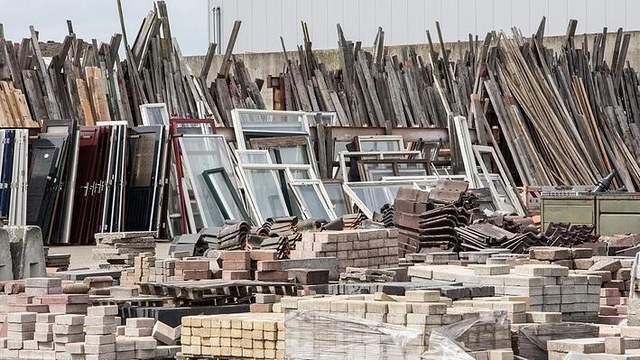
Almost two decades ago, in the downtown corridor of Columbus, Ohio, the century-old landmarked Lazarus Building underwent an extensive renovation to save the department store and restore it to its former glory. Sixty million dollars went into its restoration and transformation into a retail and office complex. During the construction, workers recycled nearly 5,000 pounds of steel, 2,000 pounds of concrete, and significant amounts of carpeting, ceiling tiles, and various wood- keeping 22,000 pounds of debris out of Ohio’s landfills. They also saved more than $25 million dollars by implementing this rigorous recycling process.

The Trends that Will Influence Architecture in 2019

It is, once again, the time of year where we look towards the future to define the goals and approaches that we will take for our careers throughout the upcoming year. To help the millions of architects who visit ArchDaily every day from all over the world, we compiled a list of the most popular ideas of 2018, which will continue to be developed and consolidated throughout 2019.

Over 130 million users discovered new references, materials, and tools in 2018 alone, infusing their practice of architecture with the means to improve the quality of life for our cities and built spaces. As users demonstrated certain affinities and/or demonstrated greater interest in particular topics, these emerged as trends.